By Nicole Lou, Senior Staff Writer, MedPage Today
July 16, 2026
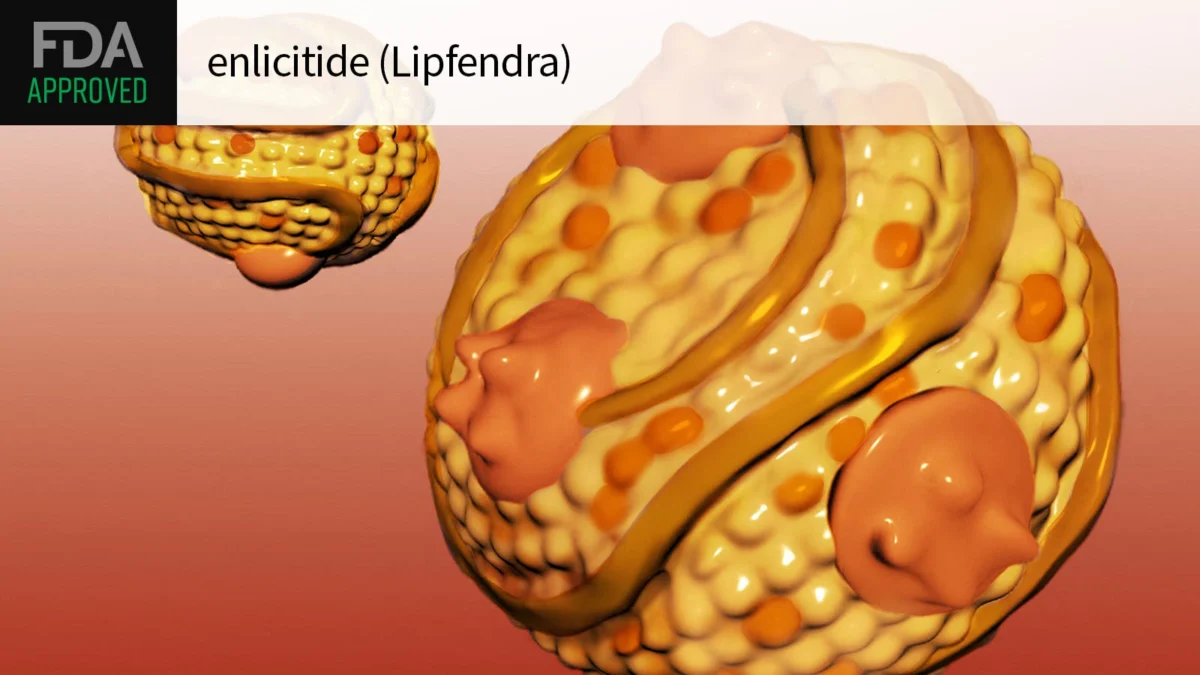
In a landmark decision that promises to reshape the landscape of cardiovascular preventative medicine, the U.S. Food and Drug Administration (FDA) has officially approved enlicitide (Lipfendra). This historic milestone marks the arrival of the first oral PCSK9 inhibitor, providing patients with a potent, needle-free alternative for managing high LDL cholesterol.
For millions of Americans living with hypercholesterolemia or heterozygous familial hypercholesterolemia (HeFH), the introduction of an oral agent addresses a critical "convenience gap" that has historically hindered adherence to aggressive lipid-lowering regimens. By bypassing the need for injections, enlicitide stands poised to move the needle on patient compliance and, ultimately, cardiovascular outcomes.
The Core Facts: A Breakthrough in Delivery
Enlicitide has been approved as an adjunct to diet and maximally tolerated statin therapy to reduce low-density lipoprotein (LDL) cholesterol in adults with established atherosclerotic cardiovascular disease (ASCVD) or HeFH.
The drug, marketed under the brand name Lipfendra, is administered as a 20-mg tablet once daily. To ensure optimal absorption, the manufacturer recommends a specific protocol: the medication should be taken following a 6- to 8-hour fast, with patients advised to refrain from eating for at least 30 minutes following administration. This regimen is a small price to pay for a daily medication that performs the heavy lifting previously reserved for subcutaneous injections.
Chronology of the CORALreef Clinical Program
The regulatory approval of enlicitide was not an overnight occurrence but the culmination of an exhaustive, multi-year phase III clinical development program known as the CORALreef trials.
Phase III Evidence Base
- CORALreef Lipids: This pivotal trial focused on a broad population of adults with a history of, or high risk for, ASCVD. The data revealed that enlicitide achieved a staggering 56% reduction in LDL cholesterol compared to placebo at the 24-week mark.
- CORALreef HeFH: In a dedicated cohort of patients with heterozygous familial hypercholesterolemia—a genetic condition characterized by dangerously high cholesterol levels—enlicitide demonstrated even greater efficacy, slashing LDL levels by 59% against placebo by week 24.
- The Combined Scale: Between these two core trials, researchers tracked 3,207 participants, providing the FDA with a robust safety and efficacy dataset that proved the drug’s consistency across diverse patient demographics.
- CORALreef AddOn: Beyond the placebo-controlled trials, the CORALreef AddOn study compared enlicitide against existing nonstatin therapies, including ezetimibe (Zetia) and bempedoic acid (Nexletol). The results solidified enlicitide’s position as a powerful, versatile tool in the modern cardiologist’s armamentarium.
The "Needle Barrier" and the Future of Compliance
To understand why the medical community is celebrating the arrival of an oral PCSK9 inhibitor, one must look at the limitations of the current standard of care.
The Underutilization Problem
Despite the proven cardiovascular benefits of PCSK9 inhibition, the existing therapeutic options—including monoclonal antibodies like evolocumab (Repatha) and alirocumab (Praluent), as well as siRNA-based therapies like inclisiran (Leqvio)—all require administration via injection.
"Although we have a number of lipid-lowering therapies that effectively lower LDL cholesterol, the majority of patients, even our highest-risk patients with atherosclerotic cardiovascular disease, fail to reach LDL cholesterol goals," noted Ann Marie Navar, MD, PhD, of the University of Texas Southwestern Medical Center in Dallas, during her presentation of the CORALreef Lipids findings at the American Heart Association (AHA) meeting.
Dr. Navar emphasized a sentiment shared by many cardiologists: while PCSK9 inhibitors are among the most powerful weapons against heart disease, the "needle barrier" remains a significant deterrent. Many patients, particularly those with needle phobia or those who find self-injection protocols cumbersome, simply do not initiate or maintain therapy. By removing the injection requirement, enlicitide could effectively lower the barrier to entry for millions of at-risk patients.
Addressing the Statin Controversy
For decades, statins have served as the "gold standard" for cholesterol management. However, the reliance on statins is not without its complications. A significant portion of the patient population reports "statin-associated muscle symptoms" (SAMS), ranging from mild muscle soreness to debilitating weakness.
Furthermore, the discourse surrounding statin labels has become increasingly complex. Beyond muscle-related side effects, product labels have been scrutinized for associations with abnormal liver transaminases, edema, and alterations in urinary composition. While the clinical consensus remains that the cardiovascular benefits of statins far outweigh these risks, the perceived side-effect profile often leads to therapeutic non-adherence.
Enlicitide offers a nonstatin, non-muscle-toxic alternative that operates through a completely different biological mechanism, providing a vital secondary or alternative option for patients who cannot tolerate the standard statin regimen.
Safety and Tolerability Profile
In the realm of pharmacology, efficacy is meaningless without a favorable safety profile. The FDA’s review of the CORALreef trials highlighted a reassuring safety record for enlicitide.
In the CORALreef Lipids trial, the incidence of adverse events was comparable to the placebo group, suggesting a clean safety signal for the drug. While the CORALreef HeFH trial did report a slightly higher frequency of diarrhea and dizziness compared to placebo, these events were generally mild and did not result in widespread discontinuation of the medication. This tolerability is crucial for a drug intended for long-term, chronic use in patients who are often already managing multiple comorbidities.
Clinical Implications and Future Outlook
The approval of enlicitide is more than just a regulatory win; it is a fundamental shift in cardiovascular risk reduction. As atherosclerotic cardiovascular disease remains the leading cause of mortality worldwide, the addition of an oral, potent, and well-tolerated PCSK9 inhibitor provides a significant weapon in the fight against premature death.
Looking Ahead
The integration of enlicitide into clinical practice will likely involve a phased approach. Cardiologists will now need to weigh the convenience of a daily pill against the existing, highly effective long-acting injectable therapies. For the patient who struggles with adherence to injections, enlicitide represents a life-changing development.
However, questions regarding long-term cost-effectiveness and insurance coverage remain. As with many novel therapies, accessibility will depend on how quickly healthcare systems integrate the drug into their preferred formularies.
Conclusion
With enlicitide, the medical community has finally broken the "needle wall" that has limited the use of PCSK9 inhibitors. By simplifying the delivery of this life-saving class of medication, we are entering a new phase of preventative cardiology—one where the most effective tools for lowering cholesterol are now easier than ever to access. As researchers continue to monitor the real-world performance of enlicitide, the medical community remains optimistic that this, at last, is the step forward needed to finally meet universal LDL-reduction targets for high-risk patients globally.
Disclaimer: This article is for informational purposes and does not constitute medical advice. Please consult with your primary care physician or a cardiologist regarding your specific cardiovascular health needs and treatment options.