










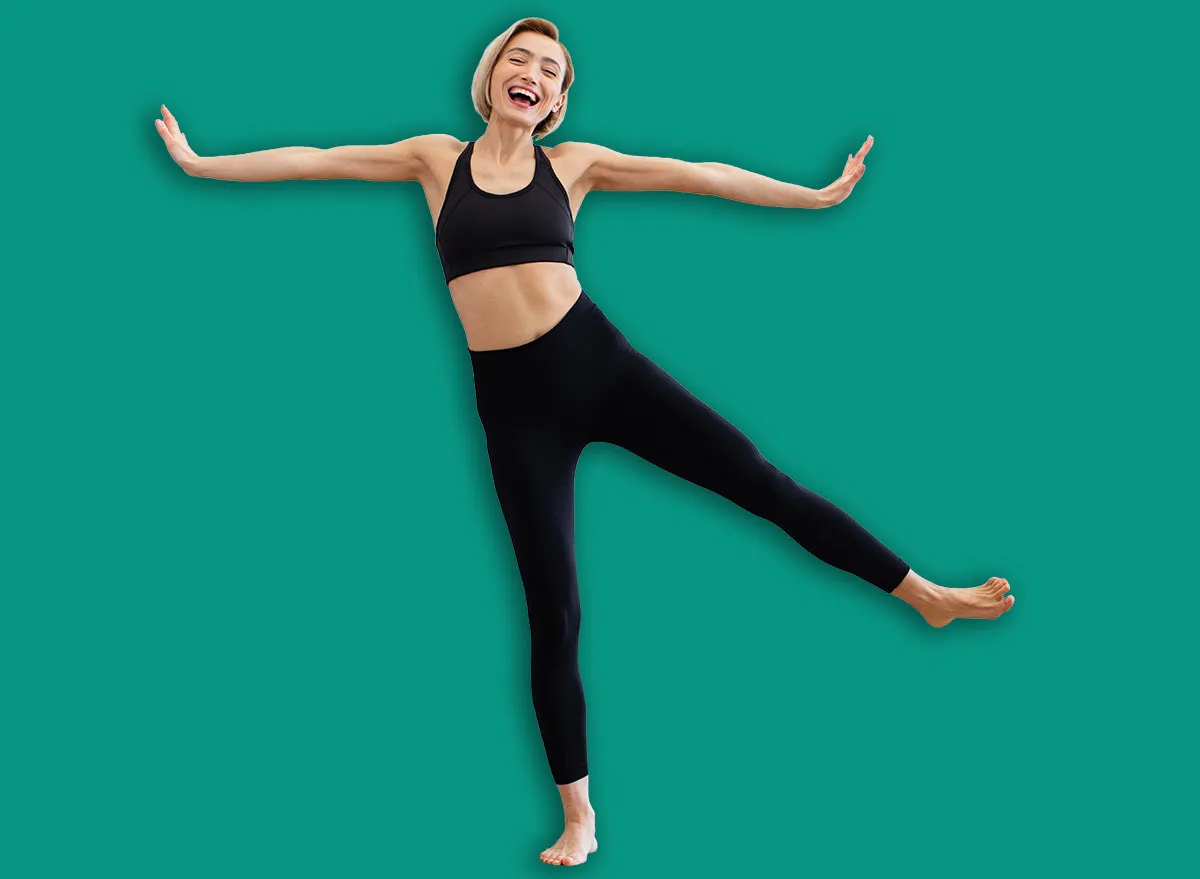
As we navigate the second half of life, the concept of "balance" often shifts from a subconscious, automatic process to a primary health concern. For many adults over 60, the fear of a fall—or the realization that a simple walk across a parking lot or a climb up a flight of stairs feels less secure than it once did—is a reality that dictates daily activity.
However, professional fitness experts are shifting the narrative. Instead of viewing balance as a static "statue pose" to be practiced on one leg, the modern consensus suggests that true stability is built through dynamic, functional movement. By strengthening the kinetic chain—the ankles, hips, core, and nervous system—seniors can reclaim their confidence and autonomy.
The Misconception of Static Balance
For years, the gold standard for balance training was the "flamingo stand"—holding a static position on one leg for as long as possible. While this has its place in physical therapy, personal trainers like Tyler Read, BSc, CPT, argue that it is merely a singular piece of a complex puzzle.
"One of the biggest misconceptions about balance training involves treating it like a single skill," says Read. "In reality, good balance depends on leg strength, core stability, ankle mobility, coordination, and your nervous system working together. If one area falls behind, the entire system suffers."
When we move through the world, we are rarely static. We are shifting weight, navigating uneven surfaces, and adjusting our center of gravity in milliseconds. Therefore, training should mirror the fluidity of life. When you stop relying on stationary exercises and start training dynamically, you prepare your body to react to the unexpected—a sudden slip, an uneven sidewalk, or a quick change in direction.
The Anatomy of Stability: Why Systems Fail
To understand why balance declines with age, one must look at the physiological changes occurring within the body. Sarcopenia, or age-related muscle loss, primarily affects the lower body—the quadriceps, glutes, and calves. These muscles act as the "shock absorbers" of the human frame.
Furthermore, proprioception—the body’s ability to perceive its own position in space—can diminish over time. This decline is often exacerbated by a sedentary lifestyle, which causes the nervous system to become "out of practice" at firing the correct muscles in the correct sequence. When a senior loses their footing, it is often not a failure of will, but a failure of the body to recognize the need for a corrective muscular adjustment quickly enough.
The Four Pillars of Dynamic Balance
Professional trainers emphasize that the fastest progress comes from movements that integrate multiple systems at once. By practicing the following four movements, you aren’t just training balance; you are building the functional architecture required to stay upright and active.
1. The Heel-to-Toe Walk
Often used in clinical settings to test neurological function, the heel-to-toe walk (also known as tandem walking) is a powerhouse exercise for everyday stability. By placing the heel of the front foot directly against the toes of the back foot, you artificially narrow your base of support.
- The Science: This exercise forces the ankles and hips to perform micro-adjustments to keep the body in alignment. It exposes lateral weaknesses—imbalances between the left and right sides of the body—that would otherwise remain hidden during a normal stride.
- The Daily Impact: After just two weeks of consistent practice, many adults report a significant increase in their confidence while walking in crowded spaces. It mimics the demands of navigating a narrow hallway or moving around furniture in a confined home.
2. The Sit-to-Stand
It is perhaps the most frequent movement we perform: rising from a chair. Yet, for many, this movement becomes a point of anxiety. The sit-to-stand drill is the ultimate functional strength builder.
- The Science: Every repetition engages the quadriceps, hamstrings, and glutes. Crucially, it also requires core stabilization to prevent the torso from leaning too far forward or collapsing.
- The Daily Impact: By strengthening the "posterior chain," you aren’t just making it easier to get out of a chair; you are ensuring that your legs have the explosive power to catch you if you stumble.
3. Lateral Weight Shifts
Falls often occur during transitions—when the body is moving from side to side rather than straight forward. Lateral weight shifts involve moving your center of gravity from one leg to the other while maintaining an upright posture.
- The Science: This exercise trains the hip abductors, which are vital for keeping the pelvis stable. When these muscles are weak, the hip tends to "drop" during a stride, increasing the risk of a trip.
- The Daily Impact: Whether you are stepping out of a car or moving around an obstacle in a store, these shifts prepare your body for the side-to-side demands of real-world movement.
4. Standing March with Pause
This is the "finisher" of a balance routine. By lifting one knee while balancing on the other, you are creating a moment of instability, then forcing your nervous system to hold that position before repeating.
- The Science: Unlike a static hold, this exercise requires you to repeatedly enter and exit a state of balance. It teaches the core and hips to stabilize the body under changing loads.
- The Daily Impact: The pause is the key. By forcing the body to stop mid-motion, you strengthen the neurological pathways responsible for coordination, leading to smoother strides and greater stability on uneven surfaces like grass or gravel.
Supporting Data and Clinical Perspectives
Research in gerontology consistently supports the transition from static to dynamic training. A study published in the Journal of Geriatric Physical Therapy suggests that resistance training combined with balance-specific agility drills reduces fall risk by up to 30% in adults over 65.
Physicians often highlight that the primary goal is not "perfection" in these moves, but rather the maintenance of "functional reserve." This is the extra capacity your muscles have to handle stressors beyond the bare minimum required for daily living. When your functional reserve is high, a stumble is merely a momentary loss of balance rather than a traumatic event.
Official Guidance and Safety Considerations
Before beginning any new exercise regimen, seniors are encouraged to consult with their primary care physician or a physical therapist. Safety is paramount:
- Environment: Ensure you are performing these exercises in a clear space, preferably near a sturdy chair or countertop for support.
- Progression: Start with fewer repetitions. Quality of movement is far more important than quantity.
- Consistency: The nervous system learns through repetition. Even 10 minutes of daily practice is superior to a single, hour-long session once a week.
Implications for Long-Term Independence
The implications of these exercises go far beyond the gym. Independence in the later stages of life is heavily dependent on mobility. When an individual feels confident in their balance, they are more likely to stay physically active, engage in social outings, and maintain a higher quality of life.
Fear of falling is a significant psychological barrier that leads to a cycle of inactivity. By systematically strengthening the body’s ability to balance, you break that cycle. You move from a state of caution to a state of capability.
As Tyler Read notes, "The result isn’t just fewer wobbles. It’s greater confidence with every step." By viewing balance as a dynamic, trainable skill rather than a diminishing attribute of aging, you are taking the most important step toward a vibrant, active, and independent future. Consistency is your greatest tool; start small, focus on form, and recognize that every movement is an investment in your long-term stability.