





Strategic Engagement at the Highest Levels: ERS Meets Commissioner Várhelyi
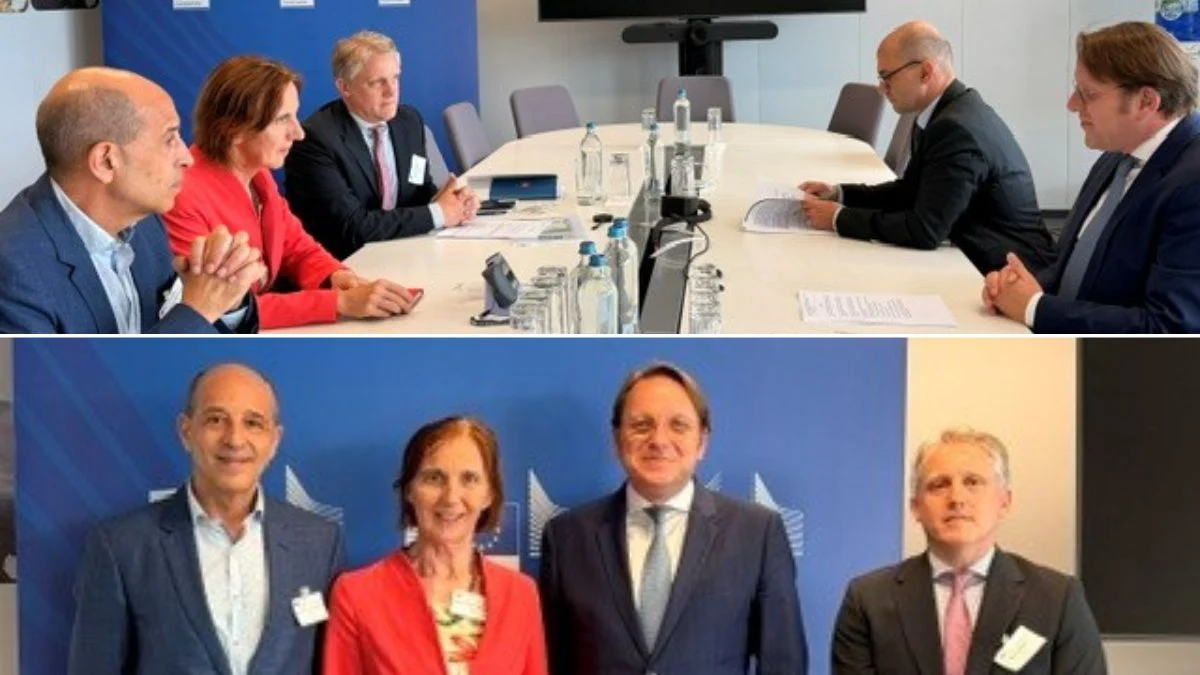
BRUSSELS – In a significant move toward shaping the future of European public health, a high-level delegation from the European Respiratory Society (ERS) convened this week with Olivér Várhelyi, the European Commissioner for Health and Animal Welfare. The meeting, which took place in Brussels, marks a critical turning point in the ongoing dialogue between medical experts and European Union policymakers regarding the prioritization of respiratory health within the bloc’s legislative agenda.
The ERS delegation, represented by Secretary General Prof. Ildikó Horváth, President-Elect Dr. Marc Miravitlles, and Director of Advocacy and European Affairs Brian Ward, presented a cohesive vision for addressing the mounting burden of respiratory diseases across Europe. As the continent faces an aging population, the long-term impacts of climate change, and the lingering effects of global health crises, the Society is calling for a more robust, integrated approach to lung health that transcends traditional clinical boundaries.
The Main Facts: A Call for Political Prioritization
At the heart of the discussion was the urgent need to elevate respiratory health from a peripheral concern to a central pillar of EU health policy. The ERS leadership argued that while Europe has made strides in specialized care, the systemic integration of preventative measures, early diagnosis, and environmental regulation remains inconsistent across member states.
The ERS delegation highlighted that respiratory diseases—ranging from chronic obstructive pulmonary disease (COPD) and asthma to rare lung diseases and the sequelae of respiratory infections—represent one of the highest burdens of disease in Europe. Despite this, they argued that respiratory health often receives disproportionately low attention in EU-wide health strategies compared to other non-communicable disease (NCD) areas such as oncology or cardiovascular health.
By engaging directly with Commissioner Várhelyi, the Society sought to secure a commitment to:
- Integrated Care Models: Developing frameworks that encourage cross-border cooperation in the management of chronic respiratory conditions.
- Environmental Regulation: Aligning health policies with the European Green Deal to address air quality, which remains a primary driver of respiratory pathology.
- Research and Innovation Funding: Ensuring that Horizon Europe and other research funding instruments prioritize respiratory breakthroughs.
- Data Standardization: Improving the interoperability of health data across EU borders to facilitate better epidemiological surveillance.
Chronology of Advocacy: A Sustained Effort
The meeting with Commissioner Várhelyi is the culmination of years of persistent, evidence-based advocacy by the ERS.
- Pre-2024: The ERS established its dedicated Advocacy and European Affairs department, formalizing its presence in Brussels to bridge the gap between clinical research and legislative action.
- 2024-2025: Throughout the last two years, the ERS intensified its efforts to provide the European Parliament and the European Commission with comprehensive white papers detailing the socio-economic impact of respiratory diseases. These documents served as the bedrock for the current discussions.
- Early 2026: In the lead-up to the recent meeting, the Society conducted a series of virtual briefings with health policy advisors to ensure that the Commissioner’s office was fully apprised of the latest clinical data and the pressing needs of patients across the EU.
- July 2, 2026: The high-level meeting took place, serving as the official platform for the ERS leadership to present their synthesized recommendations directly to the Commissioner.
This timeline reflects a strategic shift from reactive lobbying to proactive policy design, positioning the ERS not just as an advisor, but as a key stakeholder in the construction of a resilient European health union.
Supporting Data: The Burden of Respiratory Disease
To understand the urgency of the ERS’s appeal, one must look at the data. Respiratory diseases are not merely individual health issues; they are macroeconomic challenges.
The Economic Toll
Data shared during the briefing underscored that respiratory conditions are among the leading causes of premature mortality and disability-adjusted life years (DALYs) lost in Europe. The economic burden, measured in direct healthcare costs—such as hospitalizations, medications, and specialized care—and indirect costs—such as productivity loss, absenteeism, and caregiver burden—runs into hundreds of billions of euros annually.
Environmental Links
A significant portion of the conversation focused on the causal link between air pollution and respiratory decline. According to the European Environment Agency (EEA), air pollution remains the single largest environmental health risk in Europe. The ERS experts emphasized to Commissioner Várhelyi that any health strategy failing to account for air quality standards is inherently incomplete. They provided evidence showing that even marginal improvements in air quality lead to measurable reductions in asthma exacerbations and cardiovascular-respiratory incidents.
Aging Demographics
Europe’s demographic shift presents a unique challenge. As the population ages, the prevalence of comorbidities involving respiratory health increases. The ERS warned that without a shift toward proactive screening and early intervention, European healthcare systems risk being overwhelmed by the chronic care needs of an aging populace.
Official Responses: A Dialogue for Progress
Following the meeting, both the ERS leadership and the Commissioner’s office expressed a shared commitment to ongoing dialogue.
In a statement provided by the Society, Prof. Ildikó Horváth remarked:
"Our meeting with Commissioner Várhelyi was a productive step forward. We are encouraged by the Commissioner’s recognition of the significant burden that respiratory diseases place on our citizens and our healthcare systems. It is vital that we maintain this momentum to ensure that respiratory health is not sidelined in the forthcoming EU health initiatives."
Dr. Marc Miravitlles added:
"We are advocating for a patient-centric approach that recognizes the heterogeneity of lung diseases. By working closely with the Commission, we can facilitate a legislative environment that fosters innovation in diagnostics and ensures that patients, regardless of their location within the EU, have access to the highest standard of care."
While the Commissioner’s office has not released a granular policy roadmap following the meeting, the atmosphere of the discussions was described by sources as "constructive and forward-looking." The Commission is expected to incorporate the ERS’s recommendations into its broader strategy for the European Health Union, particularly in the context of the "Healthier Together" initiative.
Implications: The Road Ahead for EU Health Policy
The implications of this meeting extend far beyond the walls of the Commission’s Brussels headquarters. If the ERS successfully influences the upcoming policy cycle, we may see several transformative changes in the European health landscape.
1. Enhanced Legislative Focus
The most immediate potential outcome is the inclusion of specific, measurable targets for respiratory health in EU health work programs. This would trigger a cascading effect, influencing how individual member states allocate their national health budgets.
2. Standardization of Care Pathways
The ERS is pushing for the adoption of "best-in-class" clinical guidelines across the EU. If adopted, this could reduce the current disparities in respiratory care quality between Eastern and Western Europe, ensuring that a patient in a rural community has access to the same diagnostic capabilities as someone in a major metropolitan center.
3. Synergistic Environmental-Health Policies
The meeting has reinforced the necessity of "Health in All Policies" (HiAP). By framing respiratory health as an environmental issue, the ERS is helping to ensure that climate and transport policies are evaluated not just for their economic or carbon-reduction potential, but for their direct impact on human lung health.
4. A Template for Professional Advocacy
Finally, this meeting serves as a template for how medical societies can effectively engage with supranational governing bodies. By combining clinical excellence with sophisticated advocacy, the ERS is setting a high bar for other professional societies to follow in their interactions with EU institutions.
Conclusion: A New Horizon for Lung Health
As the European Union navigates the complex challenges of the late 2020s, the health of its citizens remains its most valuable asset. The recent meeting between the ERS leadership and Commissioner Várhelyi represents a vital convergence of medical expertise and political will.
While the path to policy change is rarely linear, the ERS has successfully placed respiratory health at the forefront of the Brussels agenda. For the millions of Europeans living with respiratory conditions, this engagement offers a glimmer of hope: a future where the air they breathe is cleaner, their conditions are diagnosed earlier, and their treatments are guided by the best science that Europe has to offer.
The Society remains committed to its mission of alleviating the burden of respiratory disease, and as this partnership with the European Commission deepens, the focus will shift from advocacy to implementation. The coming months will be crucial as the Commission outlines its priorities, and the ERS stands ready to provide the scientific guidance necessary to turn these high-level discussions into tangible, life-saving policy.
For further information on the European Respiratory Society’s advocacy efforts and to review the latest policy briefs, visit the ERS Advocacy portal.