Introduction: A Sea of Solidarity
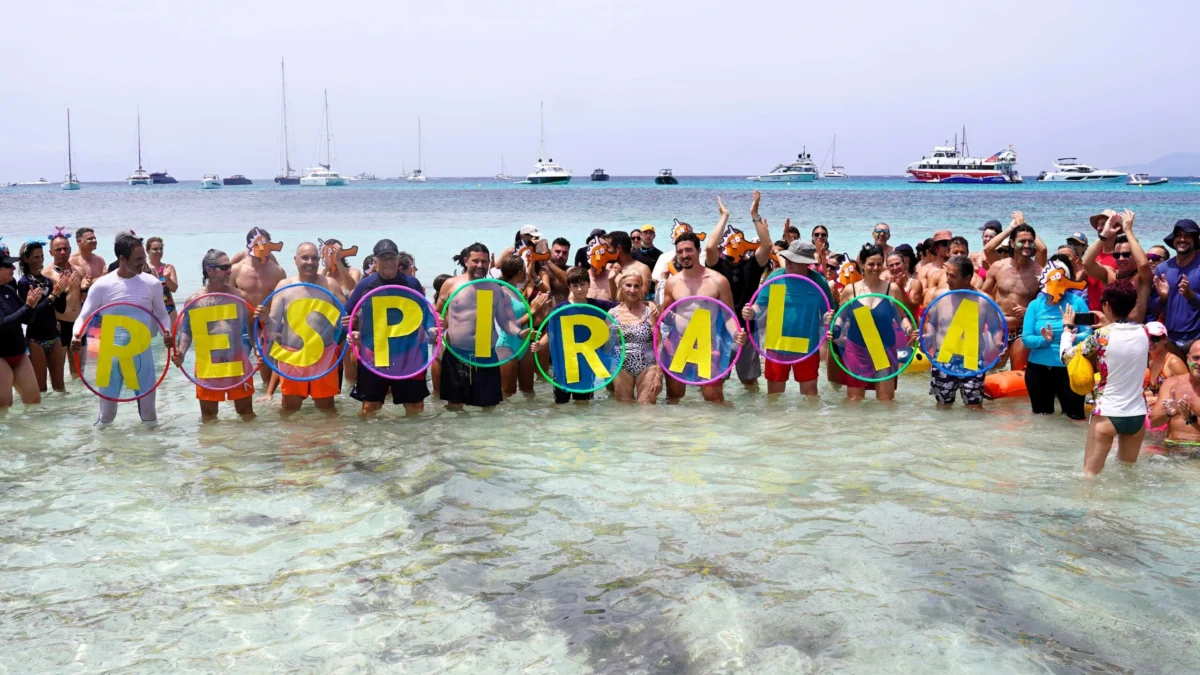
Under the brilliant Mediterranean sun, the crystal-clear waters surrounding the Spanish island of Formentera became more than just a picturesque backdrop for a sporting event; they became a symbol of resilience, hope, and collective action. Over two and a half days, hundreds of participants plunged into the open sea, not merely to challenge their physical endurance, but to join a powerful movement dedicated to supporting children, young people, and families living with cystic fibrosis (CF).
The event, known as Respiralia, has evolved into a cornerstone of European lung health advocacy. By combining the rigor of staged open-water swimming with a profound commitment to community spirit, the initiative has successfully bridged the gap between athletic achievement and the urgent need for equitable healthcare. This year’s edition of Respiralia was particularly poignant, marked by a surge in participation, heightened public awareness, and a reinforced commitment from the European Lung Foundation (ELF) to champion the rights of those with chronic respiratory conditions.
Main Facts: The Anatomy of a Movement
At its core, Respiralia is an endurance-based charity initiative organized by the Fundación Respiralia. The event is designed to raise both funds and awareness for cystic fibrosis, a life-shortening genetic condition that affects the lungs and digestive system.
- The Challenge: Participants navigate a series of staged open-water swims around Formentera. The course is physically demanding, requiring significant preparation and stamina.
- Safety First: A dedicated team of professional volunteers and safety crews ensures that every participant, regardless of their swimming experience, can navigate the waters securely.
- The Objective: To raise funds for specialized therapy programs and to advocate for the "gold standard" of care for patients with CF.
- The Community: The event attracts a diverse demographic, ranging from competitive athletes to families directly affected by the condition, creating a unique intersection of sport and human empathy.
Chronology: A Weekend of Commitment
The event unfolded over a rigorous 48-hour schedule, structured to maximize both the physical challenge and the opportunities for community engagement.
Day One: The Launch of Awareness
The atmosphere on the first day was electric. Participants gathered at the harbor, where briefers outlined the safety protocols and the mission of the weekend. For many, this was not just a swim; it was a tribute to loved ones. The initial stages of the swim saw participants navigating the coastal currents, supported by a flotilla of safety vessels that provided both medical oversight and encouragement.
Day Two: Building Momentum
As the event progressed into the second day, the physical toll began to manifest, but so did the camaraderie. Volunteers worked tirelessly, providing hydration, nutritional support, and emotional encouragement. It was during this phase that the "Respiralia spirit" became most palpable—a sense of shared struggle that mirrored the daily, unseen battles fought by those with cystic fibrosis.
Day Three: The Final Push
The final stage of the swim served as the culmination of months of fundraising and training. As swimmers reached the final shoreline, the event transitioned into a series of debriefs and community forums. Here, the focus shifted from physical performance to the advocacy goals that underpin the entire initiative. The event concluded with a celebration of the funds raised and the stories shared, leaving participants with a renewed sense of purpose.
Supporting Data and The Human Element
Cystic fibrosis remains one of the most challenging chronic illnesses in Europe. It is a progressive disease that requires daily, intensive treatment regimens. The data surrounding the condition is stark: life expectancy for those with CF has improved significantly in recent decades, yet disparities in access to care remain a critical issue.
In its official 2026 report, the Fundación Respiralia highlighted the multifaceted impact of the swim. Beyond the direct financial contributions, the event served as a catalyst for:
- Public Education: Thousands of individuals were reached through social media campaigns and local press coverage, many of whom were previously unaware of the specific daily challenges faced by CF patients.
- Volunteerism: The event saw a 15% increase in volunteer participation compared to previous years, demonstrating a growing willingness among the public to engage in hands-on advocacy.
- Patient Empowerment: By providing a platform for patients to share their narratives, the event moved the needle from "charity for patients" to "advocacy with patients," a crucial shift in the landscape of medical support.
Official Responses: Voices from the Frontline
The Participant Experience: Pippa Powell
For Pippa Powell, Director of the European Lung Foundation (ELF), this year was her inaugural swim. Her experience encapsulated the ethos of the event.
"What will stay with me most is the extraordinary Fundación Respiralia community," Powell stated. "Everyone taking part was there to challenge themselves, but most importantly to support lung health through Fundación Respiralia. Their commitment was truly inspiring."
Powell’s participation serves as a reminder that institutional leadership in health organizations is increasingly moving toward active engagement rather than purely administrative oversight.
The Advocate’s Perspective: Dimitris Kontopidis
Perhaps the most significant voice at the event was that of ELF Chair Dimitris Kontopidis. Himself a person living with cystic fibrosis, Kontopidis brings an invaluable perspective to the leadership of the European lung health movement.
"As someone living with cystic fibrosis, I understand the day-to-day challenges faced by people with chronic lung conditions, as well as the importance of ensuring equitable access to treatment, support, and care," said Kontopidis. "Events like Respiralia help bring communities together while raising awareness of the issues that matter to patients."
Kontopidis is currently spearheading the "ELF Chair’s Campaign," a strategic effort focused on the critical issue of equitable access to lung transplantation across Europe. His presence at the swim was not merely symbolic; it was a manifestation of the campaign’s goals—to ensure that treatment is not a privilege, but a fundamental right for all.
Implications: The Road to Equitable Care
The success of Respiralia 2026 has broader implications for the future of patient advocacy in Europe. It highlights three essential pillars for future success in the fight against chronic respiratory conditions:
1. The Power of Community-Led Advocacy
Traditional medical advocacy is often top-down. Respiralia demonstrates that bottom-up, community-driven initiatives can command significant attention. By mobilizing the public in a physical, tangible way, the foundation has created a blueprint for how other health organizations can raise awareness without relying solely on corporate funding or legislative lobbying.
2. Addressing Health Inequalities
The "Chair’s Campaign," supported by the momentum of the Respiralia swim, underscores a growing consensus: access to high-quality, life-saving procedures like lung transplants is currently inequitable across the European Union. Factors such as geography, socioeconomic status, and national healthcare infrastructure often determine whether a patient survives. Respiralia serves as a vital platform to push these issues to the forefront of the European policy agenda.
3. The Holistic View of Patient Care
The event also shines a light on the fact that care is not just medical; it is social. The mental health of families affected by CF, the need for community support networks, and the requirement for accessible physical activity are all critical components of "living well" with a chronic condition. Respiralia provides the necessary space for these holistic needs to be met.
Conclusion: Looking Ahead
As the sun set on Formentera, the impact of the event remained clear. The funds raised will continue to support therapeutic programs, but the true legacy of the 2026 event lies in the connections formed and the awareness ignited.
The European Lung Foundation, in conjunction with the Fundación Respiralia, remains committed to this path. The success of the swim is not an endpoint but a catalyst for the ongoing work of the Chair’s Campaign (2023-2026) and beyond. Every stroke taken in the Mediterranean was a declaration that the cystic fibrosis community is not alone, that their struggles are recognized, and that their fight for equitable access is one that the broader medical community is prepared to join.
For those who wish to continue supporting this mission, the channels for donation and advocacy remain open. Whether through contributing to the Chair’s Campaign or educating oneself on the complexities of cystic fibrosis, every action contributes to a future where respiratory health is a priority, not a privilege.
Further Resources
To understand more about the realities of living with cystic fibrosis and how you can support the ongoing efforts for equitable lung health, please visit the European Lung Foundation’s dedicated information hub. Together, we can turn the tide on lung disease and ensure that every patient has the opportunity to breathe, live, and thrive.
Photo Credit: Fundación Respiralia