








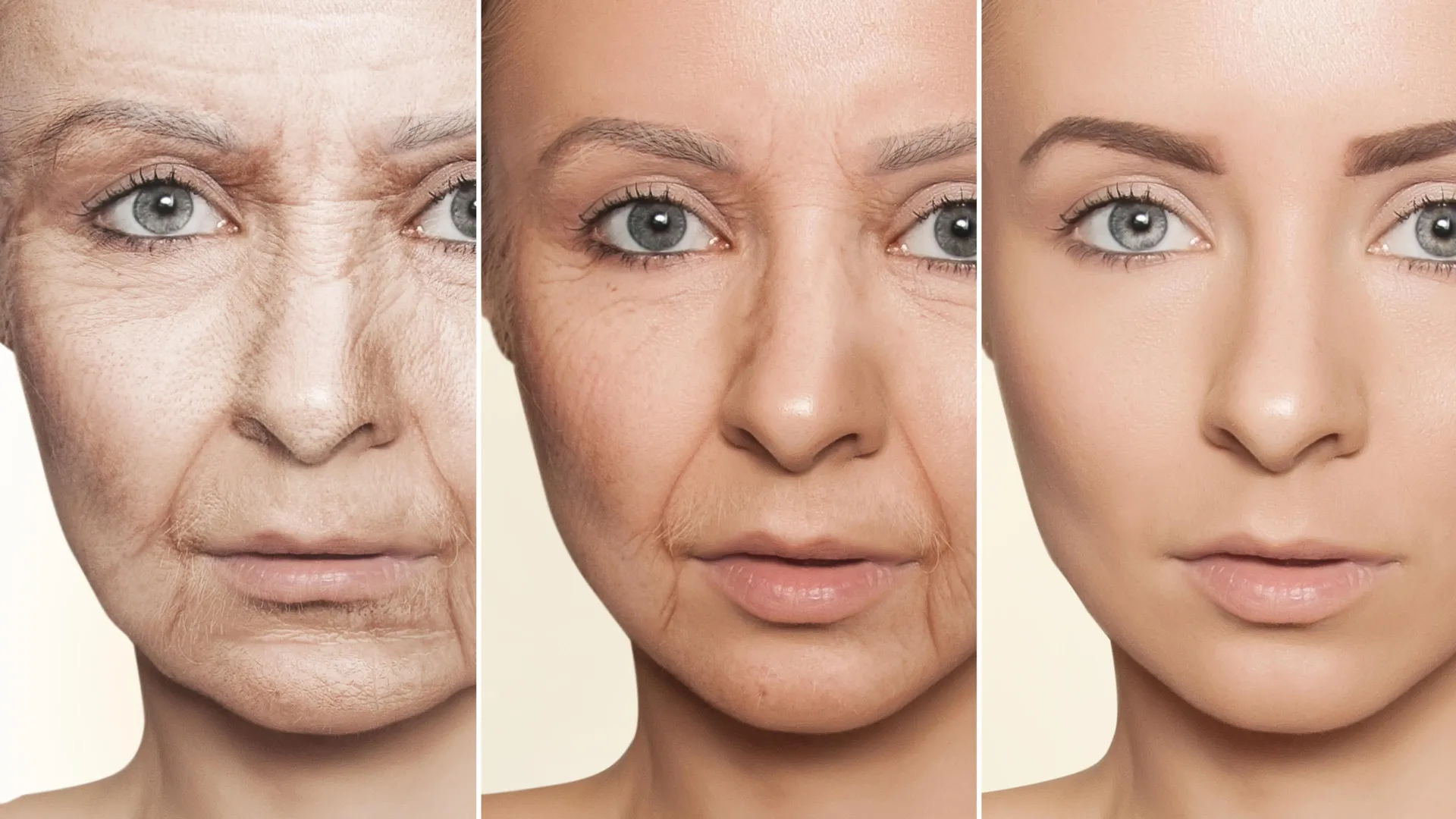
For decades, the scientific community viewed aging as a passive process—a slow, inevitable accumulation of cellular "wear and tear" across the body’s various systems. However, a groundbreaking study recently published in the journal PLOS Biology is challenging this paradigm, suggesting that aging may be a more active, regulated process directed by a "command center" in the brain.
Researchers have identified a specific protein, Menin, which appears to act as a master biological switch for aging. By modulating levels of this protein within the hypothalamus, scientists were able to trigger age-related decline in young mice and, conversely, reverse signs of physical and cognitive aging in older subjects. This discovery not only provides a new target for anti-aging therapies but also highlights the central role of the hypothalamus in orchestrating the systemic health of the entire organism.
The Hypothalamus: The Body’s Command Center
The hypothalamus is a small, almond-sized region at the base of the brain, yet its influence is gargantuan. It acts as the primary bridge between the nervous system and the endocrine system, regulating vital functions such as body temperature, hunger, thirst, sleep, circadian rhythms, and the body’s response to stress.
In recent years, aging researchers have increasingly turned their focus toward this region. The hypothesis is that if the hypothalamus coordinates the body’s metabolic and hormonal equilibrium, then its own degradation could trigger a cascading failure throughout the rest of the body. The new study, led by Lige Leng and a team of researchers at Xiamen University in China, provides some of the most compelling evidence to date that the hypothalamus acts as a "biological clock" that dictates the speed of systemic aging.
Chronology of the Discovery: From Observation to Intervention
The path to identifying Menin as an "anti-aging" factor involved a meticulous investigation into how protein expression changes as living organisms age.
The Initial Observation
The researchers began by analyzing the hypothalamic tissue of mice at various stages of life. They observed a distinct and sharp decline in the presence of the Menin protein as the mice aged. Critically, this depletion was highly localized, occurring specifically within the neurons of the ventromedial hypothalamus (VMH)—a region deeply involved in metabolic control. Interestingly, surrounding support cells like astrocytes and microglia remained largely unaffected, suggesting that the protein’s decline is a targeted biological event rather than a random decay.
The Genetic Trigger
To test the causal relationship between Menin and aging, the team engineered a group of mice with reduced Menin activity. The results were startling. These mice exhibited a phenotype consistent with accelerated aging: they suffered from chronic brain inflammation, thinning skin, significant bone mass loss, impaired motor coordination, and measurable memory deficits. Most significantly, these mice had shorter lifespans compared to their peers, confirming that the loss of Menin was not merely a symptom of aging, but a driver of it.
The Restoration Experiment
The final phase of the study sought to determine if the process could be reversed. The researchers delivered the Menin gene directly into the hypothalamus of elderly mice (roughly 20 months old, the equivalent of human late-life). In just 30 days, the animals displayed a remarkable "rejuvenation." Their cognitive performance, balance, and skin health improved, and their bone density increased, suggesting that the restoration of Menin could turn back the clock on several hallmark signs of senescence.
The Role of D-Serine: A Neurochemical Bridge
One of the most intriguing aspects of the study is the discovery of the mechanism through which Menin exerts its influence. The researchers found that when Menin levels drop, the production of D-serine—an amino acid that acts as a neurotransmitter—also plummets.
D-serine is essential for synaptic plasticity, the brain’s ability to strengthen or weaken neural connections, which is the foundational process of learning and memory. Because Menin regulates the enzymes required for D-serine synthesis, its decline essentially "starves" the brain of a chemical necessary for cognitive maintenance.
To test the therapeutic potential of this pathway, the team administered D-serine supplements to older mice. The results were positive: the mice showed improved cognitive function within three weeks. However, unlike the full Menin gene therapy, D-serine supplementation did not reverse physical markers like skin thinning or bone loss. This distinction is vital, as it indicates that while D-serine is a key player in the cognitive aspects of aging, Menin likely governs a much broader network of pathways—including inflammation and metabolism—that dictate the body’s overall physical health.
Supporting Data and Broader Context
This research arrives at a time when the field of neuro-gerontology is expanding rapidly. The idea that the brain drives systemic aging is supported by other recent inquiries into hypothalamic function.
For example, a 2024 study published in Nature Communications explored how the hypothalamus undergoes epigenetic changes—specifically in DNA methylation—as it ages. This study found that these changes could influence pathways related to hormones like oxytocin and gonadotropin-releasing hormone (GnRH), both of which are inextricably linked to brain health and vitality.
When the Xiamen University findings are viewed alongside this growing body of work, a clear narrative emerges: aging is not merely a consequence of external environmental stressors or passive molecular damage. Instead, it is a complex, active biological program. If the brain is indeed the "central command" for this program, then targeting hypothalamic proteins like Menin could potentially allow for the development of interventions that treat multiple age-related conditions simultaneously, rather than tackling them one by one.
Official Responses and Expert Perspectives
Lead researcher Lige Leng has framed these findings as a significant leap in understanding the molecular roots of longevity. "We speculate that the decline of Menin expression in the hypothalamus with age may be one of the driving factors of aging," Leng stated. "Menin may be the key protein connecting the genetic, inflammatory, and metabolic factors of aging."
While the scientific community has greeted these findings with enthusiasm, there is a necessary layer of caution. Dr. Leng noted that while the restoration of Menin reversed aging-related phenotypes, it is a potent protein that influences sensitive signaling pathways. The research was conducted exclusively on mouse models, and it remains unknown whether these mechanisms operate identically in humans.
Implications for Future Human Therapies
The implications for human medicine are profound, yet the path to clinical application is long and fraught with complexity.
Potential Therapeutic Avenues
- Targeted Gene Therapy: The use of gene therapy to restore Menin levels in the hypothalamus is the most direct application of the study’s findings. However, delivering gene therapy safely to the human brain remains a significant technological hurdle.
- D-Serine Supplementation: Because D-serine is already available as a dietary supplement and exists in common foods like eggs, fish, and nuts, it presents a more accessible, albeit less comprehensive, treatment for age-related cognitive decline.
- Inflammation Management: Since Menin acts as an anti-inflammatory agent, drugs that mimic its function could potentially be used to treat neuro-inflammatory conditions, including Alzheimer’s disease and other forms of dementia.
The Need for Caution
Despite the promise, scientists warn that "hacking" the hypothalamus carries inherent risks. Because this region regulates such a wide array of vital functions—from metabolic rate to stress responses—altering its signaling pathways could have unintended side effects. Researchers emphasize that more work is required to determine the long-term safety of modulating Menin or chronically supplementing D-serine.
Furthermore, researchers must answer why Menin declines in the first place. Is it a programmed part of the aging process, or is it a protective response to a deeper, unidentified insult? Until these questions are resolved, clinical applications remain a distant, albeit optimistic, goal.
Conclusion
The study on Menin offers a tantalizing glimpse into a future where aging might be treated as a manageable biological condition rather than an immutable fact of life. By shifting the focus from individual organs to the brain’s "command center," researchers are opening new doors in the pursuit of healthy longevity.
While we are far from reversing the aging process in humans, the identification of a protein that bridges the gap between memory, metabolism, and physical decay provides a roadmap for future research. If the hypothalamus is indeed the master switch of aging, then the work of Lige Leng and his colleagues may have just provided us with the key to turning it back. As the scientific community continues to dissect the interplay between Menin, D-serine, and the hypothalamus, the possibility of a healthier, longer human lifespan moves one step closer to reality.