





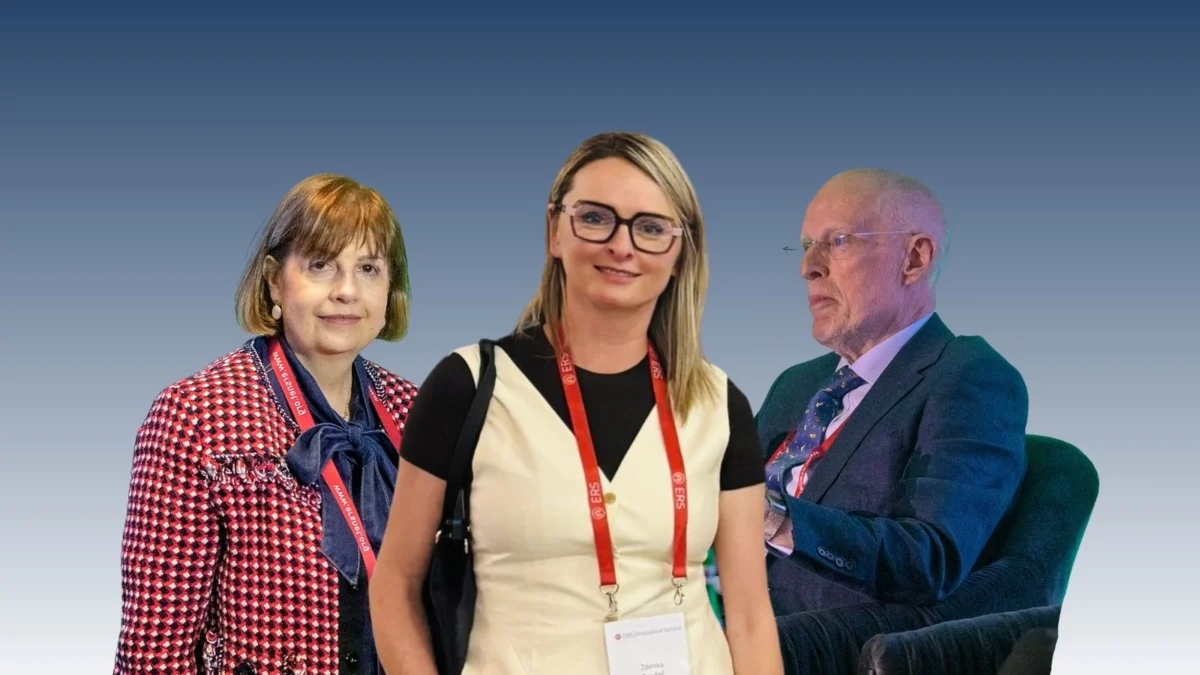
In June 2026, the European Respiratory Society (ERS) Presidential Summit in Warsaw served as more than just a venue for clinical debate; it functioned as a crucible for a new era of healthcare. For the first time, the divide between the laboratory and the living room was intentionally dismantled, as researchers, policymakers, and—most crucially—patient representatives gathered to define the future of lung health.
The Summit underscored a transformative shift in medical practice: the move from "care for the patient" to "collaboration with the patient." As the medical community grapples with the complexities of chronic respiratory conditions, the input of those living with these diseases has shifted from an optional consideration to an essential pillar of scientific advancement.
The Core Mandate: A New Paradigm for Lung Health
The primary objective of the Warsaw Summit was to integrate diverse stakeholder expertise to address the escalating burden of respiratory diseases across Europe. The event focused on four critical pillars: early detection, the impact of air quality on lung health, robust tobacco control strategies, and the urgent necessity of climate-resilient healthcare.
The inclusion of patient representatives—including Natalia Maeva, Phil Taverner, and others from the European Lung Foundation (ELF)—was not merely symbolic. These advocates, representing millions of citizens living with conditions ranging from pulmonary hypertension and asthma to bronchiectasis and lung cancer, were embedded into every session. Their mandate was clear: to ensure that scientific innovation remains grounded in the human reality of daily disease management.
Chronology of the Summit: A Multi-Day Exchange
The Summit was structured to facilitate continuous interaction rather than isolated presentations.
Day 1: Prevention and Detection
The opening discussions focused heavily on early detection. Natalia Maeva, a lung transplant recipient and Chair of the Bulgarian Society of Patients with Pulmonary Hypertension, noted that early intervention is the most effective tool in changing the trajectory of respiratory disease. By shifting the focus from treating late-stage complications to early identification, healthcare systems can significantly improve quality of life and reduce long-term economic burdens.
Day 2: The Role of Technology and AI
A significant portion of the second day was dedicated to the integration of Artificial Intelligence (AI) in diagnostics and patient care. The consensus among the attendees was one of cautious optimism. While AI offers the potential for faster, more accurate diagnoses, patient advocates emphasized a non-negotiable caveat: technology must augment, not replace, the human connection. The "bedside manner" and the lived experience of the patient are elements that algorithms cannot replicate.
Day 3: Policy and Global Implementation
The final sessions centered on translating policy into practice. Discussions were galvanized by the success of existing programs, such as Croatia’s national lung cancer screening initiative. By showcasing this as a gold-standard model, the Summit aimed to provide a blueprint for other European nations to adopt, regardless of their economic size or geographic location.
Supporting Data: Why Patient-Centricity Matters
The urgency for these collaborations is backed by sobering data regarding respiratory health in Europe. Chronic respiratory diseases remain among the leading causes of morbidity and mortality across the continent.
- The Cost of Inaction: Experts at the Summit highlighted the "false economy" of excluding respiratory health from routine check-ups. The cost of failing to detect conditions like COPD or asthma early far outweighs the investment required for proactive screening programs.
- The Burden of Complexity: For patients, navigating the regulatory processes for new treatments is a daunting task. Advocates noted that these processes often feel disconnected from the speed at which their health declines, reinforcing the need for patient voices to influence regulatory timelines.
- The Power of Advocacy: Through the European Patient Ambassador Programme (EPAP), the ELF is working to standardize the knowledge base for advocates, ensuring that when they sit at the table with policymakers, they are equipped with the skills to represent their communities effectively.
Official Responses: A Shift in Institutional Culture
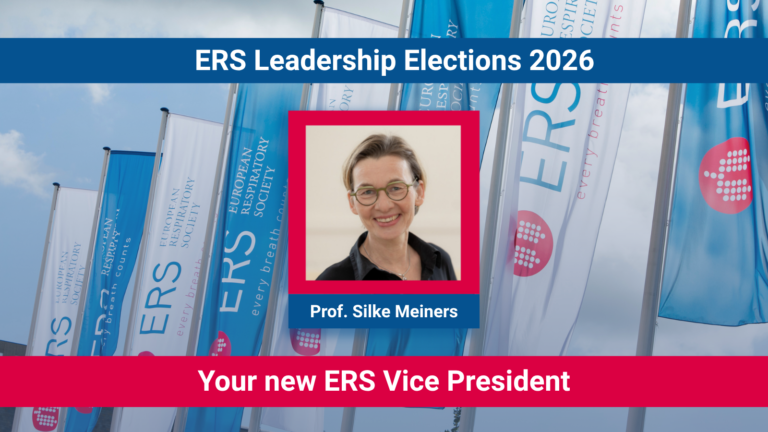
The ERS leadership, led by President Prof. Joanna Chorostowska-Wynimko, signaled a decisive move toward a more inclusive governance model. By hosting joint sessions between medical professionals and patient advocates, the ERS has institutionalized the belief that patients possess a unique type of expertise—one that no medical textbook can provide.
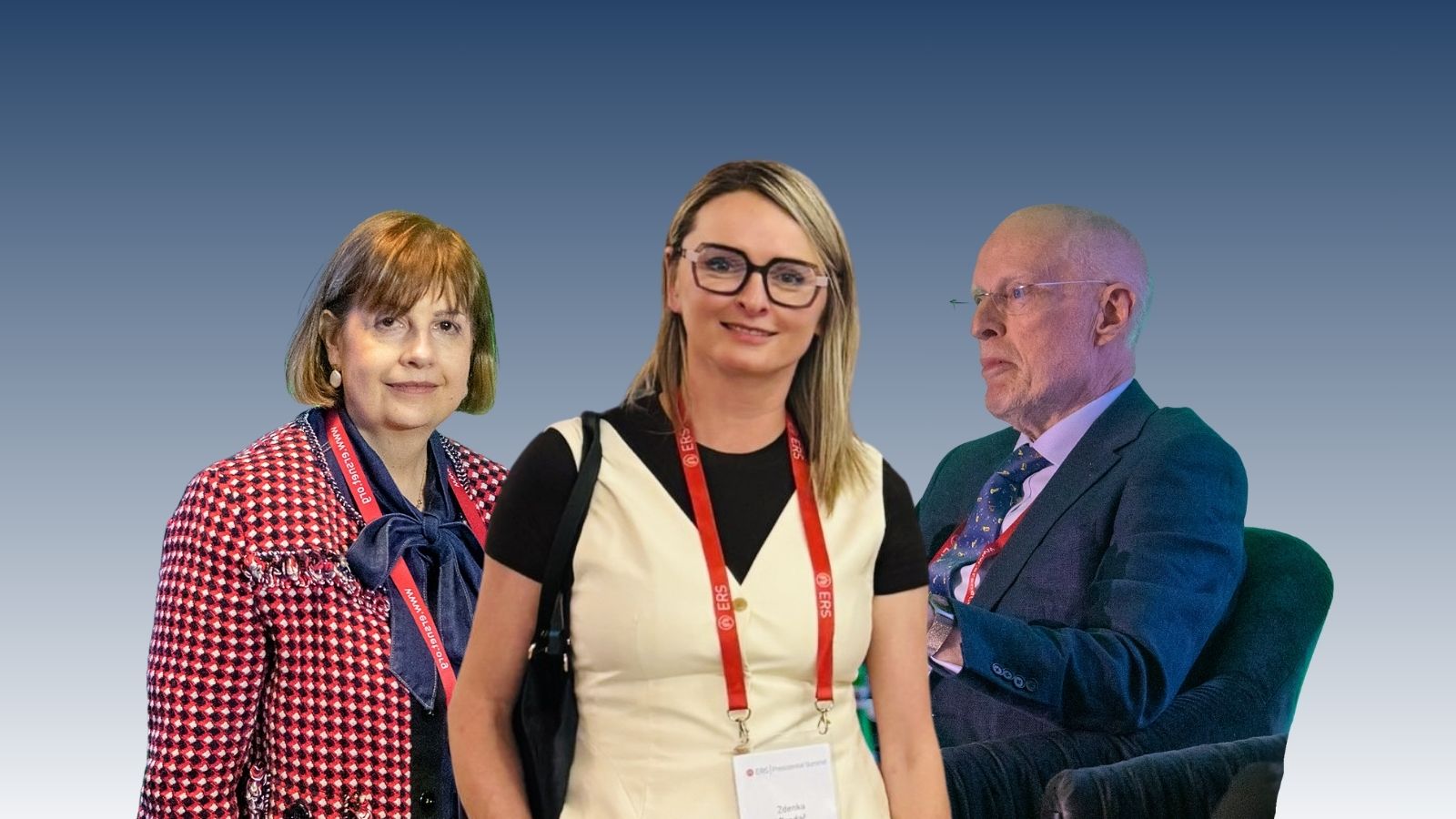
"It was encouraging to feel that my experience was valued alongside scientific expertise," noted Natalia Maeva. This sentiment was echoed by Phil Taverner, the incoming ELF Chair for the 2026–2029 term. Taverner, who has lived with asthma since childhood, emphasized that the "joint search for improved services" was the most valuable takeaway from the event.
The presence of political figures, such as Bulgarian MP Dr. Alexander Simidchiev, further underscored the political weight of the summit. The presence of government representatives alongside patient groups ensures that the discussions do not remain academic, but instead transition into legislative and budgetary action at the national level.
Implications: The Future of the Patient-Professional Partnership
The implications of the Warsaw Summit are profound. We are witnessing the end of the "doctor-knows-best" era and the beginning of the "partner-in-health" era.
1. Redefining Research Priorities
Moving forward, research agendas will be increasingly shaped by patient priorities. Instead of focusing solely on pharmacological metrics, future studies are expected to place greater weight on patient-reported outcome measures (PROMs).
2. Standardizing Early Detection
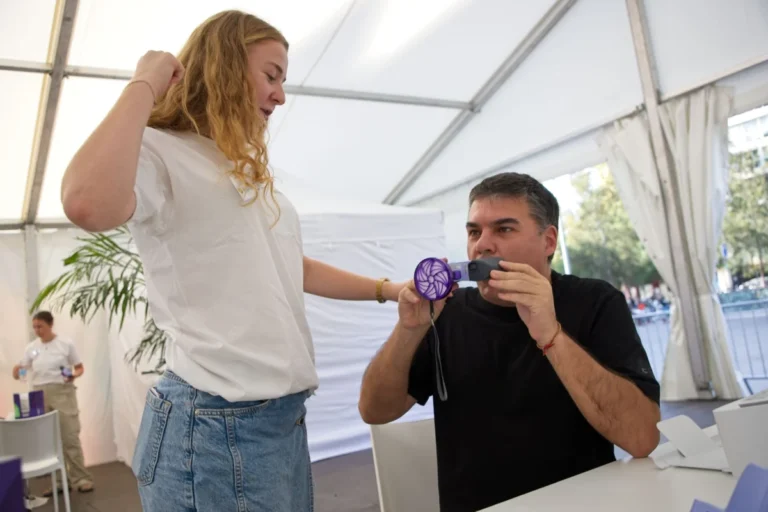
The Summit’s focus on early detection is expected to trigger a wave of investment in public health campaigns. The upcoming "Healthy Lungs for Life" event in Sofia, Bulgaria, serves as a test case for how these high-level discussions can be disseminated to the public.
3. Strengthening the Patient Advocacy Pipeline
The continued success of initiatives like the United Patient Advisory Group (UPAG) is critical. By creating a formalized network of patient advocates, the ELF ensures that there is a sustainable pipeline of informed, empowered individuals ready to represent their peers in future policy and clinical discussions.
How to Get Involved: A Call to Action
The Summit was not intended to be a closed event. The organizers have made it clear that the future of lung health depends on a broad, inclusive movement. For those interested in participating, several pathways exist:
- Join a Patient Advisory Group (PAG): These groups are the backbone of the European Lung Foundation. By joining, individuals can share their specific lived experiences and contribute to projects that directly influence the development of new treatments and care standards.
- Enroll in the European Patient Ambassador Programme (EPAP): This free, online, self-learning program is designed to bridge the gap between being a patient and becoming an advocate. It provides the essential skills needed to navigate healthcare systems, influence policy, and speak with authority on behalf of others.
- Stay Informed: The ELF mailing list remains the primary conduit for the latest information on research, campaigns, and advocacy opportunities.
Conclusion
The ERS Presidential Summit in Warsaw proved that while clinical expertise is the engine of medical progress, the lived experience of the patient is the steering wheel. By ensuring that patients are not just consulted but are integral partners in the decision-making process, the medical community is creating a more resilient, efficient, and compassionate healthcare system.
As we look toward 2029 and beyond, the success of this collaboration will be measured by how effectively these conversations translate into real-world changes. From the streets of Sofia to the halls of the European Parliament, the message is clear: when patients, clinicians, and researchers work together, we don’t just treat lung conditions—we transform the very nature of health.