Published: 16 July 2026
The landscape of respiratory health advocacy is evolving at an unprecedented pace. As we reach the midpoint of 2026, patient organisations worldwide are shifting from traditional awareness-raising toward active participation in regulatory policy, clinical research, and the implementation of multidisciplinary care models. This report synthesizes the latest activities, strategic milestones, and community-led initiatives that defined the respiratory health sector throughout June and early July 2026.
Main Facts: A Global Movement for Respiratory Health
The global patient advocacy community has seen a flurry of activity aimed at bridging the gap between clinical research and the lived experience of patients. From the Netherlands to Nepal, organisations are leveraging technology, scientific partnerships, and direct community engagement to challenge the status quo.
Key developments this month highlight a shift toward:
- Regulatory Inclusion: Patient organisations are gaining formal seats at the table with regulatory bodies like the European Medicines Agency (EMA).
- Multidisciplinary Care: There is an increasing focus on moving beyond single-specialist consultations toward team-based, holistic treatment approaches.
- Grassroots Screening: In regions with limited healthcare infrastructure, patient-led organisations are spearheading mobile diagnostic initiatives to combat late-stage diagnoses.
- Empowerment through Education: The launch of patient-centered guides is transforming how individuals engage with their oncology and respiratory care teams.
Chronology of Key Events: June – July 2026
The following timeline details the specific interventions and milestones reached by patient organisations over the last six weeks:
- 3 June: FairLife Lung Cancer Care hosts a landmark webinar, "It Takes a Team," emphasizing the critical need for multidisciplinary lung cancer management.
- 18 June: The Spanish Association for Empty Nose Syndrome (AESNV) enters a strategic research partnership with Flowgy to revolutionize nasal airflow analysis.
- Late June: The Aspergillosis Trust participates in the 9th World Bronchiectasis Conference, advocating for the integration of patient perspectives in research.
- Late June: PHURDA (Ukraine) participates in the Global Pulmonary Hypertension Patient Hackathon in Dallas, bringing international attention to wartime healthcare challenges.
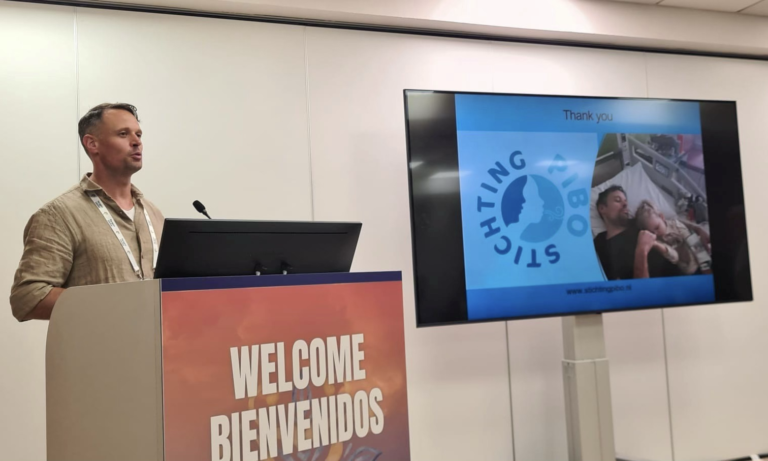
- 25 June: The Dutch PIBO Foundation presents family-centric research at the International Society of Pediatric Respiratory Diseases Congress in Bologna.
- Early July: Lung Cancer Europe (LuCE) releases its 2026 Mid-Year Report, marking a significant update in its advocacy strategy and organisational identity.
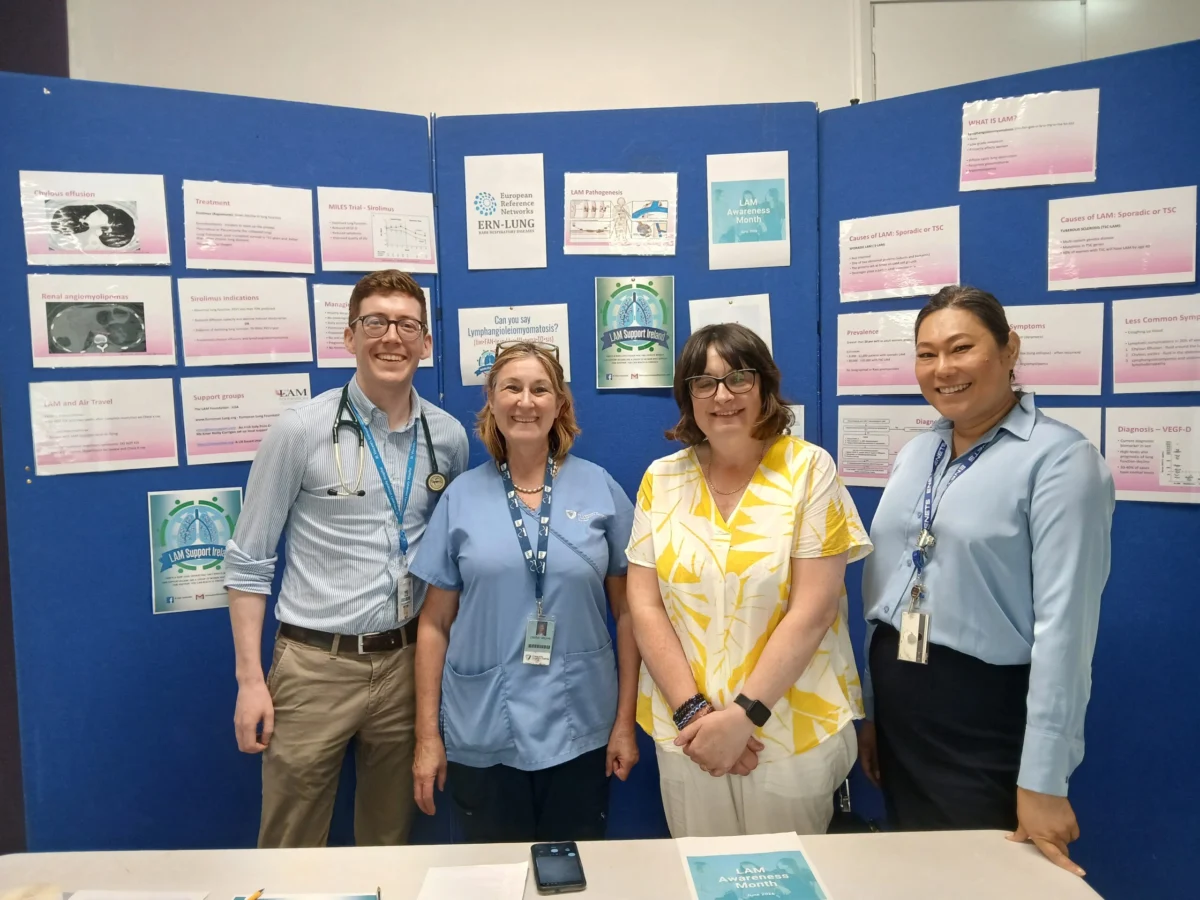
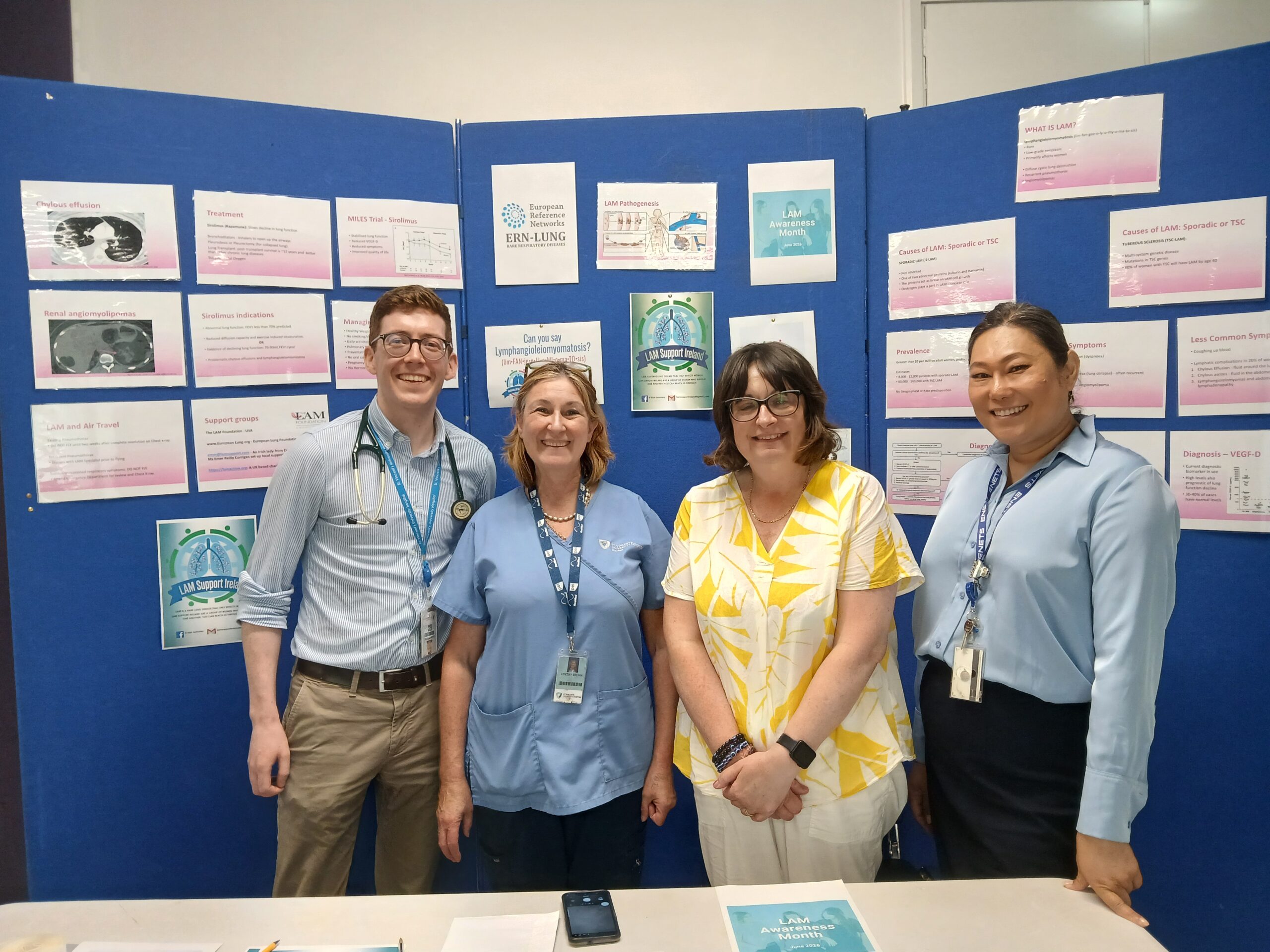
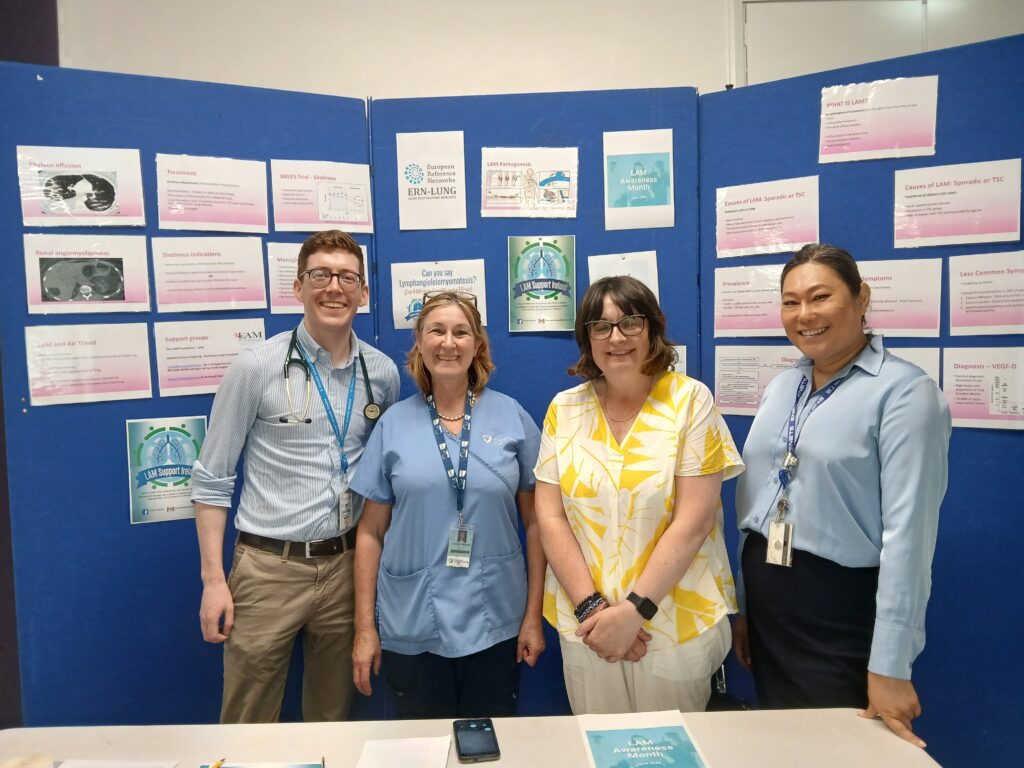
- Early July: LAM Support Ireland observes Worldwide LAM Awareness Month with a high-visibility awareness campaign at St. Vincent’s Hospital, Dublin.
Supporting Data: Impact and Reach
The success of these initiatives is not merely qualitative; it is supported by significant engagement metrics and structural shifts in the healthcare ecosystem:
- Clinical Collaboration: The FairLife Lung Cancer Care webinar attracted over 1,680 viewers, signaling a massive public appetite for understanding how healthcare systems can better coordinate care.
- Regulatory Recognition: The Alpha-1 Europe Alliance (A1EA) has been officially recognized by the European Medicines Agency (EMA) as an eligible patient organisation. This status grants them the right to participate in regulatory consultations, effectively embedding the patient voice into the approval pathways for new medicines.
- Early Detection: The National Health Action Force Nepal (NHAFN), through its "Healthy Breath Nepal" project, is scaling up community spirometry screening. By decentralizing diagnostics, the project addresses the high prevalence of undiagnosed asthma, COPD, and bronchiectasis in rural populations.
- Patient Agency: The launch of Talking Points by ALK Positive UK provides a template for patient-clinician interactions. By equipping patients with specific, structured questions, the organisation aims to reduce the "information asymmetry" often experienced during clinical oncology appointments.
Official Responses and Strategic Perspectives
The Shift Toward Multidisciplinary Care
The consensus among patient advocates, particularly within the lung cancer community, is that the era of the "lone physician" must end. As highlighted by FairLife Lung Cancer Care, multidisciplinary care—where pulmonologists, oncologists, thoracic surgeons, and nurses work in tandem—is the gold standard. Policymakers have begun to acknowledge that this model not only improves clinical outcomes but also reduces the psychological burden on patients who otherwise struggle to navigate fragmented health systems.
Addressing Rare Disease Vulnerabilities
Rare respiratory diseases, such as Empty Nose Syndrome (ENS) and Alpha-1 Antitrypsin Deficiency, often suffer from a "diagnostic odyssey"—a period of years where patients are misdiagnosed. The AESNV’s collaboration with Flowgy represents a proactive approach to this problem. By partnering with engineering and technology firms, patient organisations are bypassing traditional bureaucratic delays to accelerate the development of objective, data-driven diagnostic tools.
The Ukrainian Perspective
The participation of PHURDA in the Global Pulmonary Hypertension Patient Hackathon underscored a sobering reality: the intersection of chronic illness and conflict. PHURDA’s advocacy serves as a reminder that the resilience of patient communities is often tested by systemic instability. Their inclusion in global discussions is a vital step in ensuring that the specific needs of patients in conflict zones are not forgotten by the international medical community.
Implications: The Future of Patient Advocacy
The events of July 2026 suggest three major implications for the future of respiratory medicine:

1. The Democratization of Research
No longer passive recipients of medical progress, patients are becoming active partners. The PIBO Foundation’s plan to launch an international survey is a prime example of "bottom-up" research. By prioritizing the emotional and practical needs of caregivers and children, the Foundation ensures that future clinical research will address issues that truly matter to the families living with the condition, rather than focusing solely on biological markers.
2. Standardization of Advocacy
With the publication of Lung Cancer Europe’s 2026 Mid-Year Report and the introduction of new Charters, we are seeing the professionalization of the patient movement. These organisations are shifting toward standardized, evidence-based advocacy, which makes them more effective partners for governments and pharmaceutical companies when negotiating access to treatments and biomarker testing.

3. Bridging the Global Divide
The work of NHAFN in Nepal highlights a critical trend: the global health community is beginning to acknowledge that "standard of care" must be adaptable. By bringing spirometry to the community level, they are proving that high-quality diagnostic outcomes are possible even outside of tertiary hospital centers, provided that the focus remains on accessible, preventative lung health.
Conclusion: A Call to Action
The breadth of activity across the global respiratory patient network in July 2026 is a testament to the power of community-driven advocacy. Whether through legislative lobbying at the EMA, digital webinars for cancer patients, or community screenings in rural Nepal, these organisations are the backbone of a more equitable healthcare system.
As we look toward the second half of 2026, the challenge for these organisations will be to sustain this momentum. The integration of the patient voice into policy is not a destination but a continuous process. By fostering closer ties between the laboratory, the clinic, and the living room, these advocates are ensuring that the future of lung health is not just about survival, but about quality of life and empowered decision-making.
Join the Conversation
The European Lung Foundation and its partner networks encourage all stakeholders—patients, caregivers, and medical professionals—to stay informed. By signing up for mailing lists and participating in upcoming congresses and webinars, you play a vital role in the collective effort to improve respiratory health for all.
For more information on the specific initiatives mentioned in this report, please visit the official websites of the respective foundations or follow the European Lung Foundation’s latest news updates.