











Executive Summary: The Silent Crisis Deepens
While the physical threat of the COVID-19 virus has seen various ebbs and flows due to vaccination efforts and evolving variants, a secondary, more insidious crisis has taken root across the United States. Data from leading research institutions confirm that the nation is currently grappling with a "shadow pandemic" of depression, anxiety, and suicidal ideation.
The numbers, according to public health experts, are not merely worrying—they are unprecedented. Recent longitudinal studies indicate that nearly one-third of the American population is experiencing symptoms of clinical depression, a rate that remains three times higher than pre-pandemic baselines. Particularly alarming is the disproportionate impact on the nation’s youth and minority communities, where systemic inequities and the disruption of developmental milestones have created a volatile environment for mental well-being. As the healthcare system faces an influx of psychiatric emergencies, the focus of policymakers is shifting toward a radical overhaul of behavioral health infrastructure.
Chronology: From Acute Shock to a Persistent Plateau
To understand the current state of American mental health, one must look at the trajectory of the crisis since early 2020. The psychological impact of the pandemic did not hit as a single wave, but rather as a series of compounding stressors.
The Initial Surge (March 2020 – June 2020)
In the early months of the pandemic, the sudden implementation of lockdowns and the fear of an unknown pathogen triggered a sharp spike in generalized anxiety. By June 2020, researchers noted that depression rates had already climbed to 25%, a staggering increase from the single-digit percentages often recorded in the decade prior.

The Winter Peak (December 2020)
The crisis reached its statistical zenith in December 2020. A combination of the winter "dark period," a massive surge in COVID-19 cases, and the emotional toll of a socially distanced holiday season pushed clinical depression rates to 30% and anxiety to 28%. During this period, thoughts of suicide were reported by nearly a quarter of the surveyed population.
The 2021-2022 Plateau
As vaccines became available and the "return to normalcy" began, experts hoped for a rapid decline in mental health symptoms. However, the data reveals a different story. While the numbers have dipped slightly from their December 2020 peaks, they have settled at a high plateau. As of mid-2021, depression rates hovered at 28%, showing that the psychological scars of the pandemic are not healing as quickly as the physical ones.
Supporting Data: Demographics of Vulnerability
The crisis is not distributed equally across the population. Data from the "COVID States Project"—a collaborative effort between Northeastern, Harvard, Northwestern, and Rutgers Universities—provides a granular look at who is suffering most.
The Youth Crisis
The most striking finding in recent surveys is the vulnerability of young adults (ages 18-24). A staggering 42% of this demographic met the criteria for moderate to severe depression. In contrast, only 10% of adults aged 65 and older reported similar levels of distress.
David Lazer, a professor of political science and computer sciences at Northeastern University and a lead researcher on the project, attributes this to the "dynamic" nature of youth. "Younger adults are at a stage where they are finishing school, entering the job market, and starting families," Lazer noted. "These are the very milestones that were most aggressively disrupted by social distancing and economic instability."
Pediatric Emergency Trends
The crisis extends even further down the age bracket into childhood and adolescence. A study published by the Children’s Hospital of Philadelphia (CHOP) in April 2021 highlighted a disturbing trend: while overall emergency department (ED) visits decreased during the pandemic, the proportion of those visits related to mental health emergencies surged.
Dr. Polina Krass, a pediatrician at CHOP and lead author of the study, noted that children seen in the ED were significantly more likely to require hospitalization for psychiatric services than in the years preceding 2020. This suggests that when children do present for care, their conditions are often more severe and acute than previously seen.
The Inequality Gap
The data also underscores "stark inequities" in access to care. Minority communities, which bore a disproportionate burden of COVID-19 infections and deaths, are also facing higher risks for mental health challenges. Structural factors, including systemic racism and the lack of culturally competent care, have exacerbated the crisis for Black and Brown Americans, who often face longer wait times and fewer resources for behavioral health support.
Official Responses: Strategies for Recovery
As the data paints a bleak picture, federal health officials and clinical experts are outlining a dual-track approach to recovery: individual resilience and systemic reform.
The NIMH Perspective on "Natural Recovery"
Susan Borja, Chief of the National Institute of Mental Health’s (NIMH) Dimensional Traumatic Stress Research Program, offers a nuanced view of the path forward. She notes that while the current symptoms are widespread, they exist on a continuum.
"Most people exposed to a mass disaster will experience symptoms initially," Borja explains. "For many, natural recovery is the norm as the environment stabilizes." However, she warns that a "significant minority" will not see their symptoms diminish without professional intervention. The challenge for the healthcare system is identifying who will recover naturally and who requires immediate clinical support.
Individual Coping Mechanisms
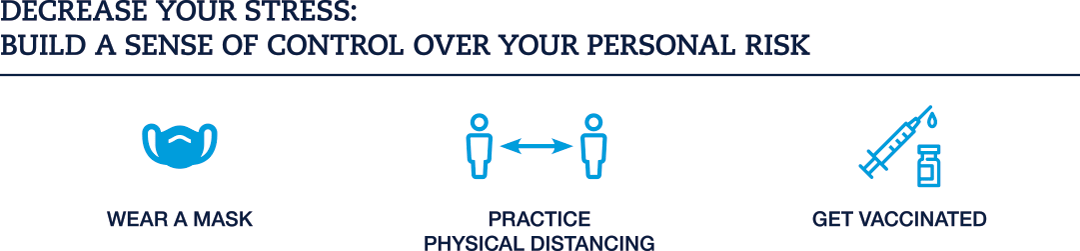
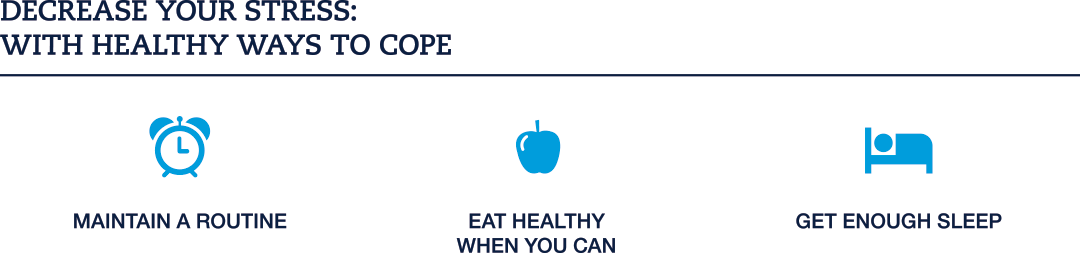
To bridge the gap during the recovery phase, health officials are emphasizing self-directed mental health maintenance. Borja suggests that individuals can regain a sense of "agency" by participating in public health efforts—such as vaccination and masking—which reduces the feeling of helplessness. Additionally, the NIMH advocates for the "basics" of psychological hygiene:
- Routine Maintenance: Establishing a predictable daily schedule to counter environmental chaos.
- Physical Health: Prioritizing sleep, nutrition, and exercise as the biological foundation for mood regulation.
- Social Connection: Finding safe ways to maintain interpersonal bonds to combat the "epidemic of loneliness."
Legislative Action: S. 1902
On the policy front, there is a growing recognition that the existing mental health infrastructure is insufficient. The Behavioral Health Crisis Services Expansion Act (S. 1902) represents a major legislative attempt to address these gaps. If passed, the bill would:
- Establish national standards for behavioral health crisis services.
- Ensure that crisis care is available to all individuals regardless of their ability to pay.
- Fund "mobile crisis teams" to move the response to mental health emergencies away from law enforcement and toward clinical professionals.
Implications: A New Paradigm for Public Health
The long-term implications of this data suggest that the United States can no longer afford to treat mental health as a secondary concern to physical health.
The "Silver Lining" of Stigma Reduction
Experts like Borja and Krass agree that if there is a positive outcome to this period, it is the mainstreaming of mental health discourse. The universality of the pandemic experience has stripped away some of the stigma associated with seeking help. Mental health is increasingly being viewed not as a personal failing, but as a critical component of public health, much like sanitation or infectious disease control.
The Need for Systemic Overhaul
However, increased awareness is only useful if there is a system capable of handling the demand. Dr. Krass emphasizes that "broadening access across the care continuum" is the only way to prevent the current plateau from becoming a permanent fixture of American life. This involves:
- Addressing Social Determinants: Tackling community violence, housing instability, and structural racism as the root causes of psychological distress.
- Workforce Expansion: Addressing the "extreme shortage" of mental health professionals, particularly in rural and underserved urban areas.
- Integration: Moving toward a model where mental health screenings are a standard part of every primary care visit.
Conclusion: The Road Ahead
The data provided by the COVID States Project and the Children’s Hospital of Philadelphia serves as a sobering reminder that the "end" of a pandemic is a multifaceted process. While the virus may be contained through medical science, the psychological fallout requires a sociological and political response.
As Dr. Krass concludes, "There is a lot of work to be done. I hope we can leverage this moment to start to make constructive changes." The success of the American recovery will ultimately be measured not just by the suppression of a virus, but by the restoration of the nation’s collective mental well-being. The transition from a state of "survival mode" to one of "thriving" will require sustained investment, legislative courage, and a fundamental shift in how society values the human mind.