In a significant leap for neuro-technology, researchers at the Georgia Institute of Technology have unveiled a pioneering soft, wireless wearable device capable of monitoring the brain’s waste-clearance processes from the comfort of a patient’s home. This innovation promises to democratize sleep research and provide unprecedented insights into the link between nocturnal physiology and long-term cognitive health.
The Main Facts: A Paradigm Shift in Neuro-Monitoring
For decades, the study of the brain during sleep has been tethered to the laboratory. Patients struggling with cognitive decline or sleep disorders have traditionally been subjected to polysomnography—a cumbersome, expensive, and often intimidating process requiring an overnight stay in a clinical setting.
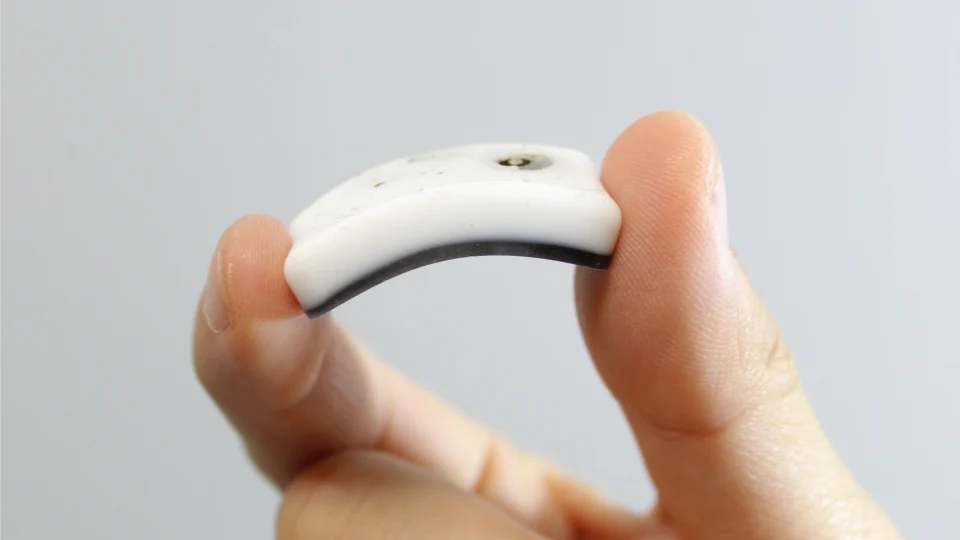
The new device, detailed in the journal Science Advances, changes the fundamental approach to this monitoring. By utilizing near-infrared spectroscopy (NIRS) in a flexible, adhesive format, the device allows for the continuous, noninvasive tracking of brain fluid dynamics. Specifically, it monitors the "glymphatic system"—a critical waste-clearance pathway that functions primarily during sleep to flush out metabolic byproducts that accumulate in the brain during waking hours.
The device is lightweight, wireless, and integrates seamlessly into a user’s nightly routine. By eliminating the wires and hospital environments, the researchers have created a tool that captures data in a "natural" state, potentially providing a much more accurate representation of how the brain clears waste during normal, undisturbed rest.
Chronology of Development: From Concept to Clinical Application
The journey toward this wearable began with the identification of a significant "clinical gap." While scientists have long understood the importance of the glymphatic system, the tools to observe it in real-time were limited to high-end, stationary imaging equipment like MRIs.
- The Conceptual Phase: The team, led by W. Hong Yeo, sought to shrink the hardware required for NIRS. The challenge was not just size, but the "softness" required for a device that would remain attached to the skin throughout the night without causing discomfort or detachment.
- Engineering the Sensor: The researchers developed a soft electronic patch embedded with micro-LEDs and photodetectors. This required balancing signal sensitivity with the need for low-power consumption to allow for wireless operation via Bluetooth.
- Validation and Testing: The development phase involved rigorous bench testing to ensure the optical sensors could penetrate the scalp and skull to detect fluid fluctuations accurately.
- The Home-Setting Milestone: The final stage involved moving the technology out of the controlled laboratory environment and into the homes of test subjects. This phase was crucial for proving that the device could handle the "noise" of real-world environments—such as movement, temperature changes, and varying sleep positions—while still providing meaningful data.
Supporting Data: Understanding the Glymphatic System
The glymphatic system is essentially the brain’s "sewerage" network. During the day, metabolic processes produce waste products, including proteins like amyloid-beta, which have been linked to the development of Alzheimer’s disease. If the glymphatic system fails to clear these proteins during the deep stages of sleep, the brain essentially "clogs," leading to impaired cognitive function and long-term neurodegeneration.
The Georgia Tech device measures these fluctuations through optical signals. When the brain clears waste, the volume of interstitial fluid changes; the device’s LEDs emit light at specific near-infrared wavelengths, which is then scattered and reflected by the brain tissue. By measuring the intensity of the reflected light, the device can estimate these physiological changes.
However, the research team is careful to note the limitations of the data. Because the signal can be influenced by peripheral factors—such as blood flow in the scalp, the pressure of the device against the forehead, or even the depth of the user’s breathing—the data is analyzed as a trend over time. Rather than claiming to provide a "snapshot" of brain water content with 100% precision, the device excels at tracking the dynamics of clearance, identifying patterns that correlate with high-quality versus poor-quality sleep.
Official Responses: Insights from the Lead Researcher
W. Hong Yeo, the Peterson endowed professor in the Woodruff School of Mechanical Engineering and director of the Wearable Intelligent Systems and Healthcare Center, has been vocal about the importance of this development.
"This paper introduces the first soft, wireless, and noninvasive wearable near-infrared spectroscopy system capable of continuously monitoring brain water and glymphatic clearance dynamics in a natural home sleep environment," Yeo stated in a release following the publication.
Yeo emphasized that the core objective was to overcome the "restrictive, costly, and invasive limitations" that have historically hampered neuro-sleep studies. By moving this technology to a wearable form factor, his team aims to shift the focus from reactive clinical intervention to proactive, home-based health management. The goal is to make monitoring as routine as checking one’s heart rate on a smartwatch, though with a significantly higher degree of clinical complexity and utility.
Implications for Future Brain Health
The implications of this technology are vast, spanning from preventative medicine to the management of chronic neurological conditions.
Democratizing Sleep Research
By removing the need for a clinical sleep lab, this technology allows for large-scale longitudinal studies. Researchers can now collect data from thousands of participants over weeks or months, rather than the small sample sizes currently common in sleep studies. This data will be essential for establishing "baselines" for healthy glymphatic function across different age groups and demographics.
Early Detection of Neurodegeneration
One of the most promising applications is the potential for early warning signs. If researchers can identify a decline in glymphatic efficiency in middle-aged adults, it could serve as a biomarker for increased risk of dementia or Alzheimer’s. Early intervention—through sleep hygiene, lifestyle changes, or targeted therapy—could potentially slow or prevent the onset of these devastating conditions.
Enhancing Personalized Medicine
The device could also be used to monitor the efficacy of sleep therapies. For patients prescribed CPAP machines or other sleep-aid interventions, this wearable could provide real-time feedback on whether these treatments are actually improving the brain’s ability to clear metabolic waste, rather than just preventing apnea events.
Addressing the Noise
The researchers acknowledge that the path forward requires addressing the "signal-to-noise" challenges. Future iterations of the device will likely incorporate AI-driven signal processing to better filter out movement artifacts and ambient interference. As machine learning models become more adept at identifying the "signature" of glymphatic movement within noisy data, the accuracy of the device will undoubtedly improve.
Conclusion: A New Era of Home-Based Neuroscience
The Georgia Tech breakthrough represents a paradigm shift in how we perceive the intersection of sleep and brain health. By successfully miniaturizing complex neuro-imaging technology into a wearable, the researchers have opened a window into the brain’s most vital, yet mysterious, nightly maintenance cycle.
As the technology matures, it will likely become an indispensable tool for clinicians and researchers alike. While we are still in the early stages of translating these findings into broad clinical practice, the ability to monitor the "brain’s cleaning crew" at home is a profound step forward. It brings us closer to a future where brain health is not merely managed in a hospital after damage has occurred, but nurtured and monitored as a vital sign of daily wellness. Through continued innovation and validation, this wireless wearable may eventually be the key to unlocking the mysteries of the aging brain and ensuring better cognitive outcomes for generations to come.