










ATLANTA — A sprawling, multistate health crisis has reached a critical inflection point as federal officials confirm a link between shredded iceberg lettuce sourced from Mexico and a record-breaking surge of Cyclospora infections across the United States. While the investigation remains fluid, the identification of a contaminated supply chain has prompted immediate, large-scale recalls and urgent warnings to consumers across the Midwest.
The Centers for Disease Control and Prevention (CDC) and the Food and Drug Administration (FDA) issued a joint advisory late Thursday, cautioning residents in Indiana, Kentucky, Michigan, Ohio, and West Virginia to avoid shredded iceberg lettuce served at Taco Bell locations. The advisory marks a significant development in an outbreak that has already shattered historical records for Cyclospora cases, affecting more than 30 states and triggering widespread concern regarding the safety of the fresh produce supply chain.
The Scope of the Crisis: A Record-Breaking Surge
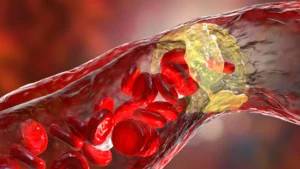
The current outbreak is unprecedented in scale. While Cyclospora—a microscopic, spherical parasite known for causing severe, watery, and often "explosive" gastrointestinal distress—has historically caused sporadic outbreaks, the current numbers are staggering.
Michigan has emerged as the apparent epicenter of the crisis, reporting more than 5,000 confirmed cases. When combined with over 2,000 additional probable and suspected cases across the country, the total infection count has far eclipsed the previous record set in 2019, when approximately 4,700 cases were identified.
While no deaths have been officially attributed to the current outbreak, the medical burden is significant. Michigan health officials report that more than 100 residents have required hospitalization, with dozens more hospitalized across other affected states. The illness, known as cyclosporiasis, is typically treated with a course of antibiotics, but its impact on public health—and the resulting strain on hospital systems—has been substantial.
Chronology of the Investigation
The path to identifying the source of the parasite was complex, involving meticulous "traceback" investigations by federal health authorities.
- Early Detection: Public health agencies began noticing a sharp, anomalous spike in cases of gastrointestinal illness consistent with Cyclospora earlier this year.
- The Traceback: FDA investigators analyzed the food consumption histories of those who fell ill. A common denominator emerged: Taco Bell locations in five specific states. By tracing the supply chain of the shredded iceberg lettuce used at these locations, officials identified a single supplier linked to the shipments.
- The Supplier Connection: While federal warnings initially avoided naming the supplier, Taylor Fresh Foods—a major California-based produce giant—confirmed that FDA testing pointed toward "a specific independent farm" affiliated with their supply network in central Mexico.
- Immediate Action: Taco Bell moved to terminate its relationship with the implicated farm and began the process of removing potentially contaminated product from its inventory nationwide, promising a complete supply chain replacement within a 24-hour window in affected areas.
- Voluntary Recall: On Friday, Taylor Fresh Foods announced a voluntary, nationwide removal of all iceberg lettuce sourced from the central Mexico region, taking a proactive stance to prevent further illnesses.
Understanding the Parasite: Why Cyclospora is Difficult to Contain
Cyclospora is a heat-loving parasite that thrives in warm climates and is transmitted through the ingestion of feces-contaminated food or water. Unlike bacteria such as Salmonella or E. coli, which can often be detected through standard lab cultures, Cyclospora presents unique diagnostic challenges.
"The parasite is notoriously difficult to track," noted one public health researcher. "It cannot be grown in a standard laboratory environment, which complicates the process of matching specific contaminated produce to the clinical cases in patients."
Furthermore, because Cyclospora is often associated with single ingredients—such as basil, cilantro, or lettuce—that are frequently used in complex, pre-mixed recipes, identifying the exact point of contamination is akin to finding a needle in a haystack. This difficulty is compounded by the fact that many clinical testing protocols in the past were not optimized for Cyclospora detection, leading to years of underreporting. Experts suggest that climate change may be playing a role in the increasing frequency of these outbreaks, as shifting weather patterns affect the irrigation and harvesting conditions in major produce-growing regions.
Official Responses and Corporate Accountability
The response from both the public and private sectors has been swift, if reactive.
Taco Bell’s Position:
In a statement, the fast-food chain emphasized its commitment to consumer safety. "We have taken immediate action to voluntarily remove potentially impacted lettuce," the company stated. "The affected ingredient from our supplier is being indefinitely removed from our supply chain nationwide."
The Supplier’s Response:
Taylor Fresh Foods expressed deep concern regarding the health of those affected. "As a family-owned and operated company, we are deeply concerned for those who became ill, their families, and the many Americans whose trust in the safety of their fresh produce has been shaken," the company said in a formal statement. They were careful to note, however, that no Taylor Farms-branded salad kits contain iceberg lettuce, attempting to differentiate their branded consumer goods from the bulk product supplied to food service chains.
Federal Oversight:
The FDA continues to work closely with the supplier to ensure that no contaminated stock remains on the market. However, health officials are tempering expectations of a quick resolution. "It is possible that other brands, restaurants, retailers, or distribution channels could be tied to the outbreak as the investigation continues," the FDA warned.
Broader Implications: The Safety of the Produce Aisle
Perhaps the most unsettling aspect of this outbreak is the uncertainty regarding how far the contamination reached. Michigan investigators, in particular, have noted that many of the individuals who contracted the parasite reported never having eaten at a Taco Bell. This suggests that the contaminated lettuce may have entered the supply chain through other grocery retailers or distribution channels that have yet to be identified.
"There is no evidence the outbreak is related to poor food handling or preparation at any single restaurant or fast-food chain," Michigan health officials stated. This statement points toward a systemic failure at the agricultural or processing level rather than a localized hygiene issue.
As a result of this lingering uncertainty, public health agencies are renewing their recommendations for consumers:
- Avoid Pre-Washed, Bagged Produce: When possible, purchase whole heads of lettuce and wash them thoroughly at home.
- Increased Vigilance: Monitor for symptoms of Cyclospora, which include watery diarrhea, loss of appetite, weight loss, stomach cramps, bloating, increased gas, nausea, and fatigue.
- Consult Healthcare Providers: Anyone exhibiting these symptoms, especially if they have consumed fresh produce recently, should contact a medical professional.
Conclusion: A System Under Scrutiny
This outbreak serves as a stark reminder of the vulnerabilities within the globalized food supply chain. When a single farm’s output can reach thousands of restaurants and stores across multiple states, the potential for a localized contamination event to explode into a nationwide public health crisis is immense.
As federal agencies continue their investigation, the focus will likely shift toward stricter oversight of international produce suppliers and the implementation of more robust traceability measures. For now, the "record-breaking" nature of this outbreak serves as a call to action for both the industry and the public, emphasizing that in an era of climate change and complex logistics, the simple act of eating a salad carries risks that require constant, diligent monitoring.
The investigation is ongoing, and further updates from the CDC and FDA are expected as laboratory results continue to link additional products or locations to the current surge. For the families affected, and for the industry at large, the path forward is clear: the restoration of consumer trust will depend entirely on the transparency and efficacy of the measures taken in the coming weeks.