








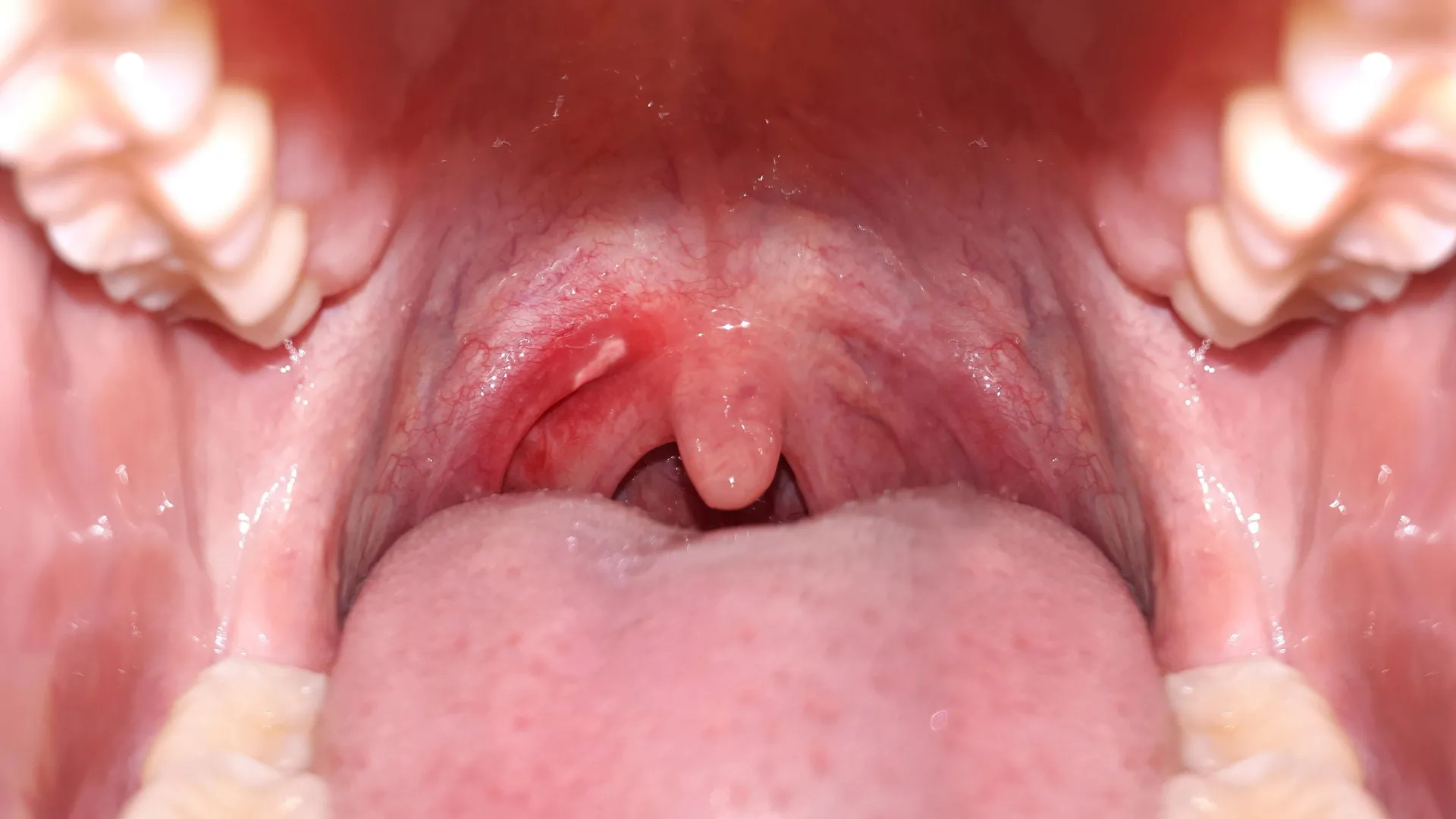
In a landmark study that challenges the conventional understanding of "safe" alcohol intake, researchers have uncovered a stark reality: for the Indian population, there is no threshold of alcohol consumption that does not carry an elevated risk of oral malignancy. The study, published in the open-access journal BMJ Global Health, reveals that even minimal daily alcohol intake is tied to a significant rise in buccal mucosa cancer—the cancer of the soft tissue lining the cheeks and lips.
With mouth cancer currently ranking as the second most prevalent cancer in India, the findings serve as a critical wake-up call for public health officials. The research highlights a synergistic, lethal relationship between alcohol and tobacco, suggesting that the intersection of these two habits is driving a health crisis that claims tens of thousands of lives annually.
The Magnitude of the Threat: A Statistical Overview
The numbers surrounding mouth cancer in India are harrowing. Each year, the nation records approximately 143,759 new cases of buccal mucosa cancer, with a staggering 79,979 deaths. Current epidemiological data indicates that incidence rates have been on a relentless upward trajectory, hovering just below 15 cases per 100,000 men.
Perhaps most distressing is the prognosis for those diagnosed. Despite advancements in oncology, survival outcomes remain bleak, with a five-year survival rate of only 43%. This low survival rate is often attributed to late-stage diagnosis and the aggressive nature of the disease when compounded by systemic habits such as regular alcohol consumption and the use of smokeless tobacco.
Chronology of a Decade-Long Investigation
To untangle the complex web of risk factors, researchers embarked on an ambitious, decade-long study spanning from 2010 to 2021. The team recruited 1,803 patients diagnosed with buccal mucosa cancer from five specialized centers across India. To provide a robust baseline for comparison, they also recruited 1,903 healthy individuals—the control group—who were matched for age and demographic characteristics.
The majority of participants fell within the 35 to 54 age bracket; however, the study unearthed a concerning trend among younger populations, with nearly 46% of cancer cases occurring in individuals between the ages of 25 and 45.
Data Collection Methodology
The researchers employed a comprehensive questionnaire to map the participants’ lifetime consumption habits. This involved:
- Detailed Alcohol Profiles: Participants reported on the duration, frequency, and specific type of alcohol consumed. The survey included 11 internationally recognized brands—such as whisky, vodka, rum, and beer—alongside 30 varieties of locally brewed alcohol, including apong, bangla, chulli, desi daru, and mahua.
- Tobacco Interaction: Given that alcohol and tobacco are frequently consumed in tandem in India, participants provided extensive histories on their tobacco use, allowing researchers to isolate the individual and combined effects of these substances.
Supporting Data: The High Cost of Consumption
The comparative data revealed clear disparities between the cancer group and the control group. Patients with buccal mucosa cancer reported a longer history of tobacco use (averaging 21 years) compared to the control group (18 years). Furthermore, cancer patients were more likely to reside in rural areas and demonstrated a higher daily intake of alcohol, averaging 37 grams compared to 29 grams among the healthy group.
The "No Safe Limit" Finding
The most striking revelation of the study is the absence of a "safe" threshold. Even individuals consuming less than 2 grams of beer daily showed an increased risk of developing cancer. Most significantly, the consumption of just 9 grams of alcohol per day—roughly equivalent to a single standard drink—was associated with a 50% increase in the risk of oral malignancy.
The study further categorized risk based on the type of alcohol consumed:
- International Brands: Linked to a 72% increase in risk compared to non-drinkers.
- Locally Brewed Alcohol: Linked to a massive 87% increase in risk.
The Lethal Synergy: Alcohol and Tobacco
While both alcohol and tobacco are independently carcinogenic, their combined effect is multiplicative. The research indicates that the co-consumption of alcohol and chewing tobacco is responsible for an estimated 62% of all buccal mucosa cancer cases in India.
The mechanism behind this synergy is biological. Researchers posit that ethanol—the primary component of alcohol—alters the lipid (fat) content of the mouth’s mucous membrane. This chemical alteration increases the permeability of the tissue, effectively "opening the door" for the potent carcinogens present in chewing tobacco to penetrate deeper into the cells. This process occurs regardless of the duration of a person’s tobacco habit, suggesting that alcohol acts as a catalyst that accelerates the development of malignant tumors.
Unregulated Markets and Toxic Ingredients
A significant portion of the study focuses on the danger posed by the unregulated, locally brewed alcohol market. Unlike commercial, internationally recognized brands that are subject to standardized production controls, locally brewed liquors are often produced in informal settings.
The researchers highlighted that these beverages frequently contain high concentrations of toxic contaminants, including methanol and acetaldehyde. Some samples analyzed during the study contained alcohol concentrations as high as 90%.
The legal landscape in India further complicates this issue. While the Indian Constitution grants individual states the power to regulate alcohol production and distribution, the vast, informal, and unregulated nature of rural liquor markets leaves a significant portion of the population exposed to highly toxic, high-proof substances without any government oversight. In states with higher disease prevalence—such as Meghalaya, Assam, and Madhya Pradesh—up to 14% of mouth cancer cases are directly attributable to alcohol consumption.
Implications for Public Health Policy
The implications of this study are profound, suggesting that the current approach to cancer prevention in India must be fundamentally recalibrated.
A Call for Legislative Action
The researchers argue that the existing legal framework is insufficient to curb the rising tide of oral cancers. They emphasize that public health action must move beyond mere warnings. Given that 62% of cases are tied to the alcohol-tobacco combination, the study suggests that a dual-pronged strategy—targeting both substances simultaneously—could effectively "eliminate" a significant majority of these cancers.
The Path Forward
For policymakers, the findings suggest several urgent priorities:
- Tightening Regulation on Local Brews: Strengthening the oversight of the informal alcohol market to address the contamination of beverages with methanol and other toxins.
- Public Awareness Campaigns: Educating the public on the "multiplier effect" of combining tobacco and alcohol, specifically highlighting that there is no safe level of intake.
- Targeted Screening: Given the high prevalence of cancer in younger age groups (25–45), screening programs should be expanded to include younger populations in high-risk rural areas.
Conclusion: A Preventable Tragedy
The BMJ Global Health study provides clear, quantifiable evidence that the Indian oral cancer epidemic is not merely a consequence of genetics or environmental factors, but a direct result of ingrained lifestyle behaviors. By identifying that even minimal alcohol consumption serves as a significant risk factor, researchers have dismantled the myth that "moderate" drinking is harmless.
As India continues to grapple with one of the highest burdens of oral cancer in the world, the message from the scientific community is unequivocal: the pathway to a significant reduction in cancer mortality lies in the aggressive regulation of alcohol, the management of the informal liquor market, and a concerted public health effort to break the synergistic link between alcohol and tobacco. Without these systemic changes, the country faces a future where a preventable disease continues to claim the lives of its most productive citizens.