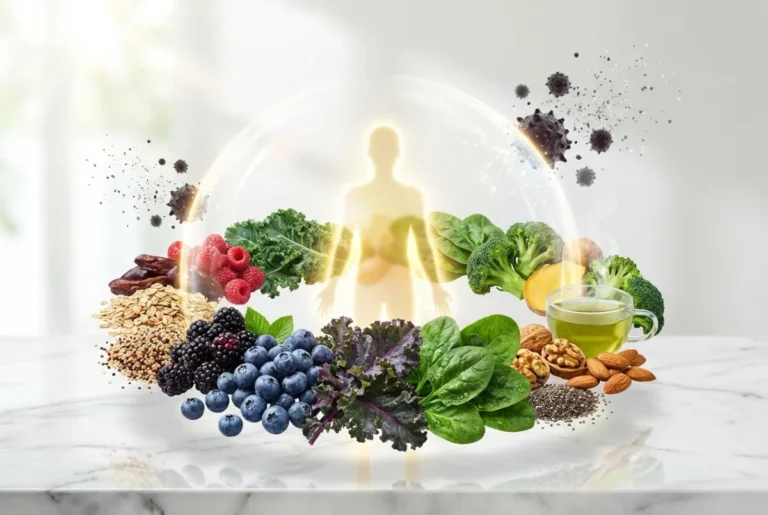











The release of the 9th edition of the Dietary Guidelines for Americans (2020-2025) marks a significant milestone in federal nutrition policy. Spanning nearly 150 pages, this document serves as the cornerstone for healthcare providers, nutrition educators, and policymakers, setting the standard for how the United States approaches public health through the lens of food. With the central mantra, "Make Every Bite Count," the guidelines attempt to move away from the reductive focus on specific "superfoods" and toward a more holistic, pattern-based approach to nutrition. However, while the document offers expanded coverage across the human life cycle, it has sparked significant debate regarding its lack of environmental consideration and its continued reliance on animal-heavy dietary models.
Main Facts: A Shift Toward Holistic Dietary Patterns
At its core, the 2020-2025 edition emphasizes that health benefits are not derived from the consumption of isolated nutrients or trendy, singular foods. Instead, the guidelines advocate for a variety of nutrient-dense foods across all categories, fostering flexibility for the individual. This approach acknowledges that dietary habits are deeply entrenched in personal, cultural, and environmental realities.
The guidelines explicitly call for nutrition educators to recognize that a "one-size-fits-all" approach is fundamentally flawed. Instead, they emphasize that food choices are inextricably linked to a person’s age, race, cultural traditions, socioeconomic status, and physical environment. Factors such as food access, budget constraints, and personal belief systems are now front-and-center in the discussion, acknowledging that the ability to eat healthily is often as much a matter of policy as it is of personal willpower.
Chronology: The Evolution of Federal Nutrition Guidance
The history of the Dietary Guidelines for Americans is one of incremental change. Since their inception, the guidelines have been updated every five years to reflect the latest in nutritional science and to address shifting public health concerns.
- Early Editions: The initial focus was largely on preventing nutrient deficiencies, promoting a balanced intake of vitamins and minerals to ward off diseases like scurvy or rickets.
- The 2015 Transition: This edition was notable for its shift in tone, beginning the process of moving away from strict nutrient restrictions and toward the "dietary pattern" framework. It began the modern conversation regarding the link between nutrition and long-term chronic disease prevention.
- The 2020-2025 Development: The current edition represents an expansion of the 2015 framework. It is the first to provide specific, life-stage-based guidance—offering tailored recommendations for infants, toddlers, pregnant women, and older adults. This marks a departure from the previous reliance on a broad "general population" advice model.
Supporting Data and The "Healthy U.S.-Style Pattern"
The cornerstone of the current guidelines is the "Healthy U.S.-Style Dietary Pattern." While this model is designed to promote health, critics point out that its constituent parts have remained largely unchanged, potentially ignoring decades of evolving nutritional research.
The pattern relies heavily on:
- Vegetables: A variety of dark green, red, and orange vegetables, as well as legumes.
- Fruits: Primarily whole fruits.
- Grains: At least half of which should be whole grains.
- Dairy: A continued emphasis on fat-free or low-fat dairy, including milk, yogurt, and cheese.
- Protein: A variety of sources including lean meats, poultry, eggs, seafood, beans, peas, lentils, nuts, and seeds.
However, the guidelines include specific, stricter limits than in previous iterations. For example, added sugars and saturated fats should constitute less than 10% of total daily calories, and sodium intake is generally recommended to be capped at 2,300 mg per day, with even lower targets for children under the age of 14.
Official Responses and Expert Criticism
Despite the exhaustive nature of the document, leading experts—most notably Dr. Walter Willett of the Harvard T.H. Chan School of Public Health—have raised significant concerns. Dr. Willett argues that the guidelines are a "missed opportunity" to address the intersection of human health and planetary stability.
The Sustainability Gap
One of the most vocal critiques of the 2020-2025 guidelines is their complete silence on the environmental impact of food production. As global climate change accelerates, the food system remains a primary contributor to greenhouse gas emissions. Analyses have shown that the "Healthy U.S.-Style Pattern" relies heavily on animal-based foods, particularly red meat and dairy, which carry a disproportionately high environmental footprint compared to plant-based alternatives.
By failing to integrate sustainability into its core recommendations, the federal government has arguably failed to provide a roadmap for a food system that is both healthy for the individual and sustainable for the planet.
The Dairy Paradox
The recommendation to consume three servings of dairy per day has been a point of contention for years. Dr. Willett notes that this specific volume is not backed by robust clinical evidence for improved health outcomes. Furthermore, the guideline’s push for low-fat or fat-free dairy creates a logistical and environmental "fantasy."
"Because the disposal of dairy fat would be hugely wasteful, it would almost certainly remain in the food supply," Willett explains. If the government suggests a shift toward low-fat options, it fails to account for the surplus of fat that must either be processed into other unhealthy products or wasted entirely. He suggests that the only logical path forward—one that would lower greenhouse gas emissions—would be to pivot toward plant-based dairy alternatives.
The Protein Conundrum
The guidelines lead with "lean meats" as a primary protein source, a term that is dangerously ambiguous for the average consumer. While the document eventually clarifies that "lean" should not be conflated with "processed" (such as bacon, sausage, or hot dogs), this distinction is buried in the text. Critics argue that this phrasing provides a loophole for the consumption of processed meats, which have been linked to an increased risk of cancer, heart disease, and premature death.
Implications: A Call for Future Reform
The implications of these guidelines are far-reaching. Because they dictate the standards for federal nutrition programs—such as school lunches, WIC (Women, Infants, and Children), and SNAP (Supplemental Nutrition Assistance Program)—the language chosen in this document has a direct impact on the food consumed by millions of Americans.
Health Disparities
There is a clear link between the food choices encouraged by federal policy and the prevalence of chronic illnesses like obesity and Type 2 diabetes. By failing to explicitly discourage processed meats and failing to prioritize sustainable protein sources, the guidelines may inadvertently perpetuate the dietary habits that contribute to health disparities among low-income populations, who are most reliant on federal food assistance programs.
The Need for Evidence-Based Policy
The path forward requires a more transparent alignment between nutrition science and public policy. As Dr. Willett and other experts have suggested, future editions of the Dietary Guidelines must:
- Prioritize Evidence over Industry Interests: Decisions regarding dairy and meat consumption should be based on the most current and rigorous clinical trials.
- Integrate Sustainability: The health of the population cannot be separated from the health of the environment. Future guidelines should explicitly recommend diets that lower the carbon footprint of the average American.
- Clarify Protein Definitions: The ambiguity surrounding "lean meat" must be addressed. Clear, bold, and unambiguous guidance should be provided that encourages the replacement of red and processed meats with fish, poultry, beans, and nuts.
Conclusion
The 9th edition of the Dietary Guidelines for Americans is an improvement in its recognition of the life cycle and the importance of cultural context. It takes steps toward a more inclusive understanding of what "eating well" means in a diverse society. However, by adhering to traditional, meat-and-dairy-heavy dietary patterns and ignoring the critical urgency of environmental sustainability, the document remains tethered to the past.
For the guidelines to truly "Make Every Bite Count," they must evolve into a tool that addresses the systemic challenges of the 21st century—climate change, chronic disease, and the urgent need for a food system that serves both the health of the individual and the longevity of our planet. Until then, the guidelines remain a helpful, yet incomplete, map for the American table.