










By Jana Wu, LCSW, LADC
In recent years, a curious shift has occurred in the landscape of American wellness. Walk into a local health food store, a neighborhood vape shop, or even a highway-adjacent gas station, and you are increasingly likely to encounter a variety of products boldly labeled "contains kratom." What was once a niche botanical substance known primarily to ethnobotanists and travelers has rapidly permeated the mainstream consumer market.
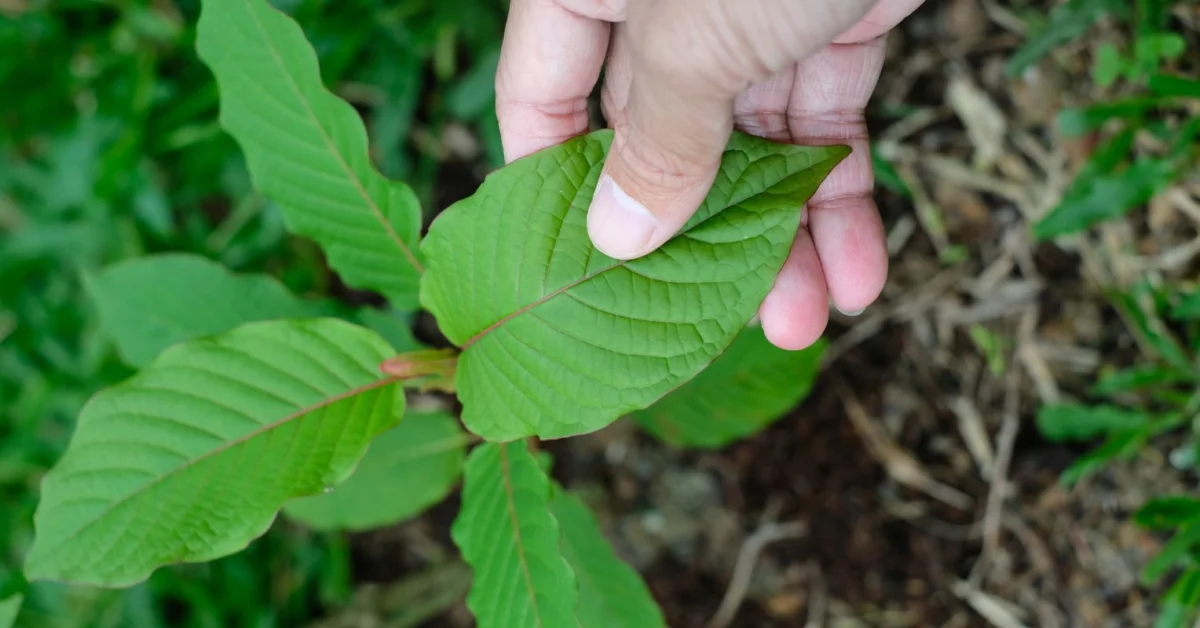
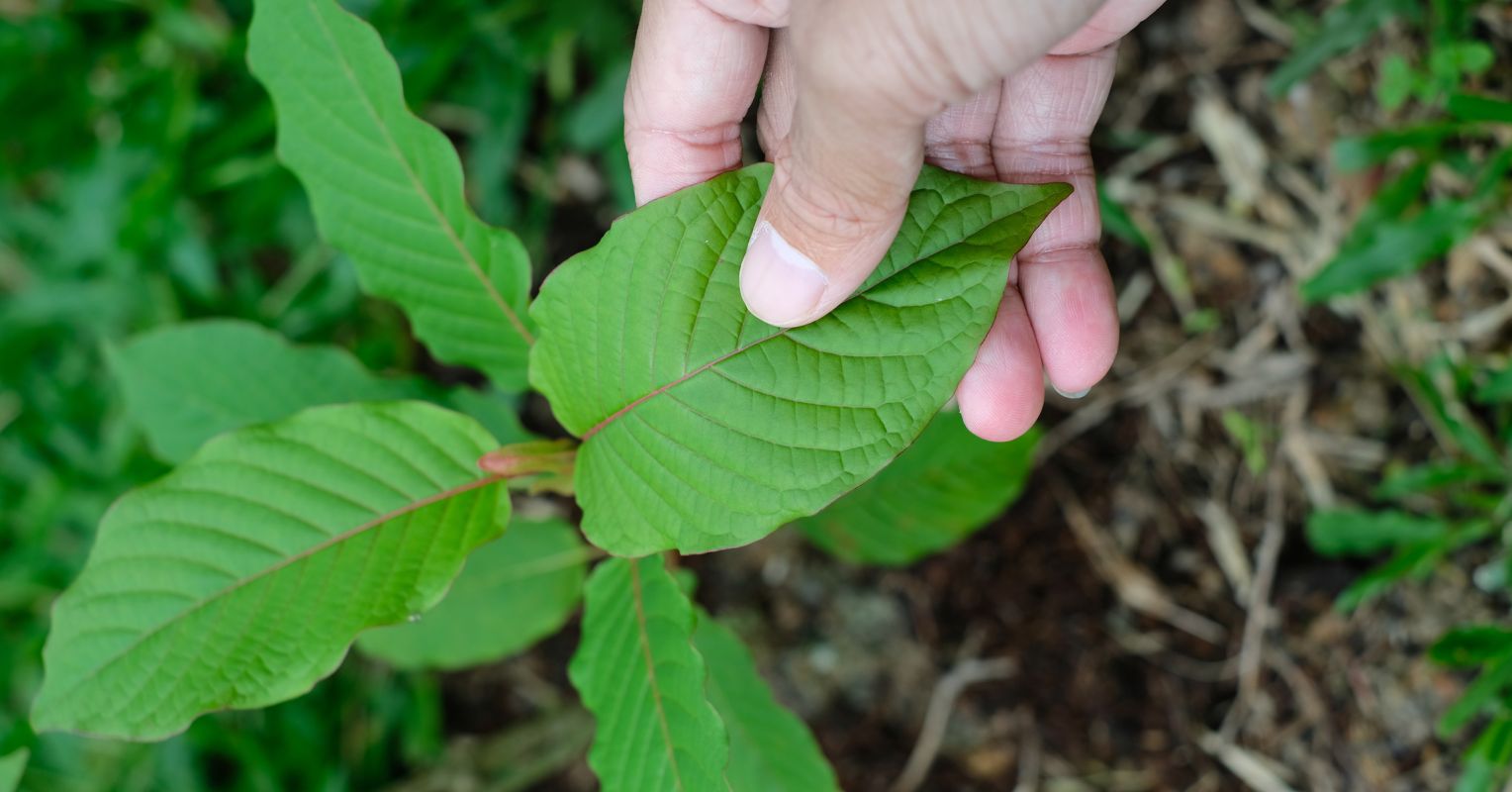
Native to Southeast Asia, Mitragyna speciosa—commonly known as kratom—is a tropical evergreen tree in the coffee family. For centuries, laborers in regions like Thailand and Malaysia have chewed its leaves to stave off fatigue, sustain physical stamina, and dull the aches associated with grueling manual labor. However, as the substance migrates from traditional use in the East to a multi-million-dollar industry in the West, a complex debate has emerged. Is kratom a "lifesaving natural supplement," or does it represent a burgeoning public health crisis? To understand the current climate surrounding kratom, we must examine the intersection of clinical evidence, legislative friction, and the lived experiences of those caught in the cycle of its use.
Main Facts: What Is Kratom and Why the Hype?
Kratom is a psychoactive substance containing alkaloids, most notably mitragynine and 7-hydroxymitragynine. These compounds interact with the body’s opioid receptors, producing effects that vary significantly depending on the dosage. In smaller doses, kratom is often reported to have stimulant-like effects, increasing alertness and energy. At higher doses, it acts as a sedative and analgesic, mimicking the pain-relieving qualities of traditional opiates.
Proponents of the substance point to these properties to argue for its legitimacy as a natural alternative to pharmaceuticals. It is frequently marketed as a panacea for a wide array of physical and mental health ailments, including chronic pain, sex drive issues, and symptoms of PTSD, anxiety, and depression. Perhaps most controversially, many users claim that kratom serves as an effective "bridge" for those attempting to wean themselves off illicit opioids or alcohol, citing its ability to reduce cravings and mitigate the painful symptoms of withdrawal.
However, the "natural" label is a double-edged sword. Because it is a plant-based product, many consumers operate under the fallacy that it is inherently safe—a perception that ignores the lack of standardized production, purity testing, and dosage guidelines.
Chronology of a Regulatory Grey Area
The rise of kratom in the United States has not been without significant friction. Over the last two decades, as online marketplaces and brick-and-mortar storefronts have made the substance ubiquitously available, regulatory bodies have struggled to keep pace.
- Early 2000s: Kratom begins appearing in Western wellness circles, primarily through specialized online vendors.
- 2016: The U.S. Drug Enforcement Administration (DEA) issues a notice of intent to place the active alkaloids in kratom into Schedule I of the Controlled Substances Act. This move was met with massive public outcry and protests from users who claimed the substance had saved their lives. The DEA subsequently withdrew the notice, citing the need for more research.
- April 2022: The Food and Drug Administration (FDA) issues a formal alert to consumers, explicitly advising against the use of kratom. The FDA noted that the agency has not approved the substance for any medical use, highlighting concerns over toxicity, potential for addiction, and the presence of harmful contaminants like heavy metals and salmonella.
- June 2, 2023: Reflecting the lack of federal consensus, states have begun taking matters into their own hands. Florida Governor Ron DeSantis signed the "Florida Kratom Consumer Protection Act" into law. This legislation serves as a template for other states, banning the sale of kratom to individuals under 21 and establishing specific manufacturing standards, with penalties for non-compliance including fines and potential jail time for retailers.
Supporting Data: Efficacy vs. Risk
Estimates suggest that over two million Americans currently consume kratom, with high concentrations of users in the American South and Northeast. The data surrounding its efficacy is largely anecdotal, though survey-based research reveals a strong belief in its benefits.
One notable study published in Frontiers in Pharmacology found that over 90 percent of respondents reported that kratom was "very effective" in treating their chronic pain. For these individuals, the analgesic properties offer a reprieve from conditions where conventional medicine may have failed or resulted in unwanted side effects.
Yet, this data must be weighed against clinical observations regarding dependence. As healthcare providers, we must maintain a critical, evidence-based approach. While a patient may report initial success in managing pain, the transition from "therapeutic use" to "substance use disorder" can be subtle and rapid. Many individuals who start using kratom to self-medicate for opioid withdrawal find that they have simply traded one dependency for another. The lack of standardized potency in commercial kratom products means that a user may inadvertently increase their intake to achieve the same effect, leading to a dangerous spike in tolerance.
Official Responses and Public Health Warnings
The official stance from federal health agencies remains one of extreme caution. The FDA has repeatedly emphasized that there is no clinical evidence to support the safety or effectiveness of kratom for any condition. The primary concern from a public health perspective is the lack of oversight. Because kratom is not currently regulated for purity, consumers are often left in the dark about what exactly is in their capsules or powder.
Furthermore, medical professionals, including the Mayo Clinic, have cataloged a wide range of adverse reactions. Physical side effects include:
- Cardiovascular issues: Elevated heart rate, hypertension, and heart palpitations.
- Gastrointestinal distress: Nausea, vomiting, and severe constipation.
- Neurological impacts: At higher doses, users have reported tremors, seizures, and even episodes of psychosis.
These risks are compounded when kratom is mixed with other substances. The "cocktail effect"—where kratom interacts with prescription medications, alcohol, or illicit drugs—can lead to unpredictable and potentially lethal outcomes.
Implications: The Human Cost of Unregulated Use
In my professional practice as a Licensed Alcohol and Drug Counselor, I have witnessed the darker side of the kratom narrative. I have worked with clients who turned to the substance in a desperate attempt to gain control over their lives, only to find themselves spiraling further into dysfunction.
The implications for these individuals are profound. I have seen family relationships disintegrate, financial stability vanish, and mental health deteriorate. One common pattern is the progression of dependence: a client uses kratom to manage pain or anxiety, finds it effective initially, but soon discovers that their tolerance has increased to the point where they are consuming large, expensive quantities daily. The desperation to maintain this intake has led some of my clients to engage in behaviors they previously would have found unthinkable—stealing, neglecting work responsibilities, and withdrawing from the social connections that once sustained them.
Furthermore, the withdrawal process itself is a significant hurdle. When a long-term user attempts to stop, they may experience symptoms that mirror the withdrawal from traditional opiates: severe muscle aches, insomnia, extreme anxiety, and profound depression. This physical and psychological discomfort creates a powerful barrier to cessation.
A Path Forward: Treatment and Education
The good news is that recovery is possible. For those struggling with kratom dependence, the treatment process is often similar to that of other opioid-related disorders.
- Medical Detox: While kratom withdrawal is rarely fatal, it is incredibly uncomfortable. Medical detox provides a safe, supervised environment where clinicians can manage acute symptoms like nausea, body aches, and tremors.
- Medication-Assisted Treatment (MAT): For those transitioning away from heavy kratom use, FDA-approved medications such as buprenorphine may be appropriate. These treatments, when administered by a physician, can help stabilize the brain chemistry and reduce cravings.
- Holistic Psychotherapy: Addressing the root cause is essential. Individual, group, and family therapy sessions allow patients to unpack the underlying trauma, anxiety, or chronic pain that led them to self-medicate in the first place.
- Mindfulness and Empowerment: Practices such as meditation and mindfulness training are vital for long-term recovery. They teach individuals to sit with their discomfort rather than reaching for a substance to numb it. By building self-awareness and self-compassion, patients can reclaim their agency.
At treatment centers like Mountainside, we are currently developing specialized support groups dedicated to the unique challenges of kratom recovery. These groups focus on the realities of long-term use, the impact on family systems, and the navigation of the "gray market" of substances.
Conclusion
The discourse surrounding kratom is currently polarized between those who view it as a miracle herb and those who see it as a dangerous, addictive drug. The reality likely lies somewhere in the middle: a substance with potential medicinal properties that is currently being marketed and consumed in a vacuum of safety, regulation, and education.
Moving forward, we must adopt a more sophisticated, multi-faceted approach. This includes increased investment in research to determine safe dosages and potential drug interactions. It also requires a concerted effort to educate the public—not through fear-mongering, but through transparent, scientific communication. For those who are currently struggling, the most important step is to break the silence. Whether you are using kratom for chronic pain or as a tool for recovery, it is essential to consult with a healthcare professional. We must prioritize informed consent and professional guidance to ensure that our pursuit of wellness does not lead us into a deeper cycle of dependency.
If you or a loved one is struggling with substance use, please reach out to a licensed professional or consult the resources provided by the Psychology Today Therapy Directory to find support tailored to your needs.