







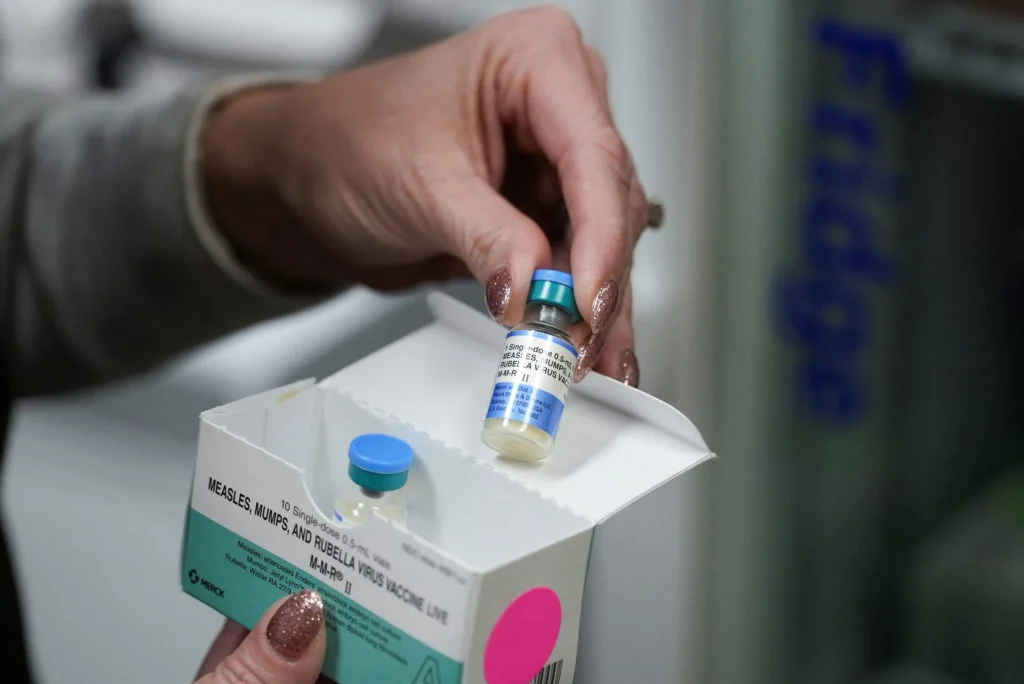
The recent announcement that the United States has officially lost its measles-elimination status has sent a ripple of concern through public health circles and the general public alike. For decades, measles was viewed by many Americans as a relic of the past—a childhood nuisance managed by routine vaccination and eradicated through widespread, diligent compliance. Now, with the U.S. joining the ranks of countries like Mexico, Bolivia, and Canada in losing its elimination designation, the conversation has shifted from complacency to urgent inquiry. Among the most frequent questions surfacing in doctor’s offices nationwide is a simple, yet complex one: Do I need a booster shot?
The State of Play: Why the U.S. Lost Its Status
The loss of "measles-free" status is not a mere bureaucratic designation; it is a clinical acknowledgment that the virus is no longer contained within isolated, imported cases. Instead, it has established sustained transmission chains within domestic borders. This regression represents the erosion of decades of public health progress, driven largely by pockets of declining vaccination rates and the resurgence of vaccine hesitancy.
Measles is notoriously contagious—arguably one of the most infectious pathogens known to modern medicine. A single infected individual can transmit the virus to approximately 90% of unvaccinated people in their immediate vicinity. Because the virus is so efficient at finding susceptible hosts, it requires a population immunity threshold of roughly 95% to prevent outbreaks. When vaccination rates dip below this critical mass, the shield of herd immunity collapses, leaving not only the unvaccinated, but also the immunocompromised and the very young, acutely vulnerable.
A Chronology of the Measles Decline
To understand the current crisis, one must look at the timeline of measles in the United States:
- 1963: The first measles vaccine was licensed, revolutionizing pediatric care. Before this, nearly every child contracted measles by age 15, with thousands suffering from serious complications, including pneumonia and encephalitis.
- 2000: The Centers for Disease Control and Prevention (CDC) declared measles eliminated in the U.S. This meant the disease was no longer "endemic"—it was not constantly circulating in the population.
- 2010–2018: Periodic, localized outbreaks occurred, often linked to international travel, but were successfully contained.
- 2019: The U.S. faced its largest measles outbreak since 1992, testing the limits of public health response protocols.
- 2024–2025: Persistent, sustained outbreaks across various regions have caused health agencies to formally downgrade the nation’s status. The virus has officially moved from "imported" to "endemic" in several jurisdictions.
Decoding Immunity: Who Is Protected?
For the vast majority of the adult population, medical experts remain confident in existing protections. "Most people are protected without getting a booster shot because they have either been vaccinated or had measles as children," explains Dr. Richard Martinello of the Yale School of Medicine.
The clinical consensus regarding "presumptive immunity" is clear:
- The Pre-1957 Cohort: Anyone born before 1957 is generally considered to have immunity. Because the measles virus was ubiquitous prior to the introduction of the vaccine in 1963, health authorities assume almost all individuals born before this date were exposed to and recovered from the virus in childhood, providing natural, life-long immunity.
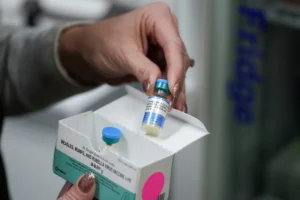
- The Two-Dose Standard: For those born after 1957, the gold standard is the two-dose MMR (measles, mumps, and rubella) vaccine series. One dose provides roughly 93% protection, while the second dose elevates that to approximately 97%.
The "Gray Area" Populations: Who Needs a Booster?
While the general public may not require additional doses, certain demographics are now being encouraged to audit their vaccination history.
The 1963–1967 Gap
Individuals vaccinated during this narrow window are a specific point of interest for public health officials. Between 1963 and 1967, a small percentage of children received an inactivated (killed) virus vaccine. This version proved significantly less effective than the live, weakened virus vaccines that followed. Doctors recommend that if you were vaccinated during this time and lack clear documentation, you should assume your protection is sub-optimal and receive at least one dose of the modern MMR vaccine.
Healthcare Workers
Healthcare professionals occupy a unique risk profile. They are frequently exposed to high viral loads in clinical settings and serve as potential vectors for vulnerable patients. Those born before 1957 who lack laboratory evidence of immunity are now being advised to secure a vaccine, regardless of their age, to ensure they do not unknowingly spread the virus in hospital environments.
International Travelers and High-Risk Individuals
The CDC continues to emphasize that international travel remains a primary driver of measles introduction. Adults who have only received a single dose and are planning travel to regions where measles is actively circulating should consult their physician about a second dose. This recommendation also applies to those in high-density environments, such as university students living in dormitories or individuals residing with immunocompromised family members.
Tracking Down Your Vaccination History
A common hurdle for many adults is the loss of immunization records. If your medical files have been misplaced, the CDC offers a roadmap for verification:
- Personal and Familial Records: Check with parents or guardians, as baby books or old pediatric files are often the most reliable sources.
- Academic and Professional History: High schools, universities, and former employers—particularly those in healthcare, military, or government sectors—often maintain records of mandatory vaccinations.
- State Registries: Many states have digitized immunization registries. Contacting your state’s Department of Health can occasionally yield results for records stored in centralized databases.
If these efforts fail, should you simply get a "safety" shot? Doctors generally agree that receiving an extra dose is safe for the vast majority of people. There is no significant risk to the immune system from a booster, provided the individual does not have a specific medical contraindication, such as being pregnant or having a severely compromised immune system.
Regarding immunity blood tests (titers), Dr. Martinello advises caution. "While these tests can detect antibodies, they aren’t a perfect indicator of clinical protection," he notes. The correlation between a laboratory titer result and real-world immunity is complex, making vaccination—rather than blood testing—the more reliable route to ensuring safety.
Implications for the Future
The resurgence of measles serves as a sobering reminder of the fragility of public health. As Dr. Joshua Sharfstein of the Johns Hopkins Bloomberg School of Public Health observes, "Too many people took measles for granted or just didn’t think about it. But now, it is something to think about."
The implications of this loss of status are far-reaching. Beyond the immediate health risks, the economic impact of outbreaks—including the cost of contact tracing, quarantine enforcement, and clinical care—is substantial. Furthermore, the loss of this designation may affect international travel advisories and public perception of the nation’s health infrastructure.
Ultimately, the path back to "measles-free" status requires a collective effort. It involves more than just individual booster shots; it requires a renewed commitment to childhood immunization schedules and a broader societal recognition that infectious diseases do not respect borders or historical eras.
"This is a moment to not just check for yourself, but also encourage others to make sure they are adequately vaccinated," says Dr. Sharfstein. As the nation navigates this new reality, the message from the medical community is consistent: measles is preventable, but only if the population remains vigilant. If you are uncertain about your status, the most effective step is to consult with a healthcare professional today. The goal is not just individual protection, but the restoration of the collective immunity that once shielded the entire nation.