









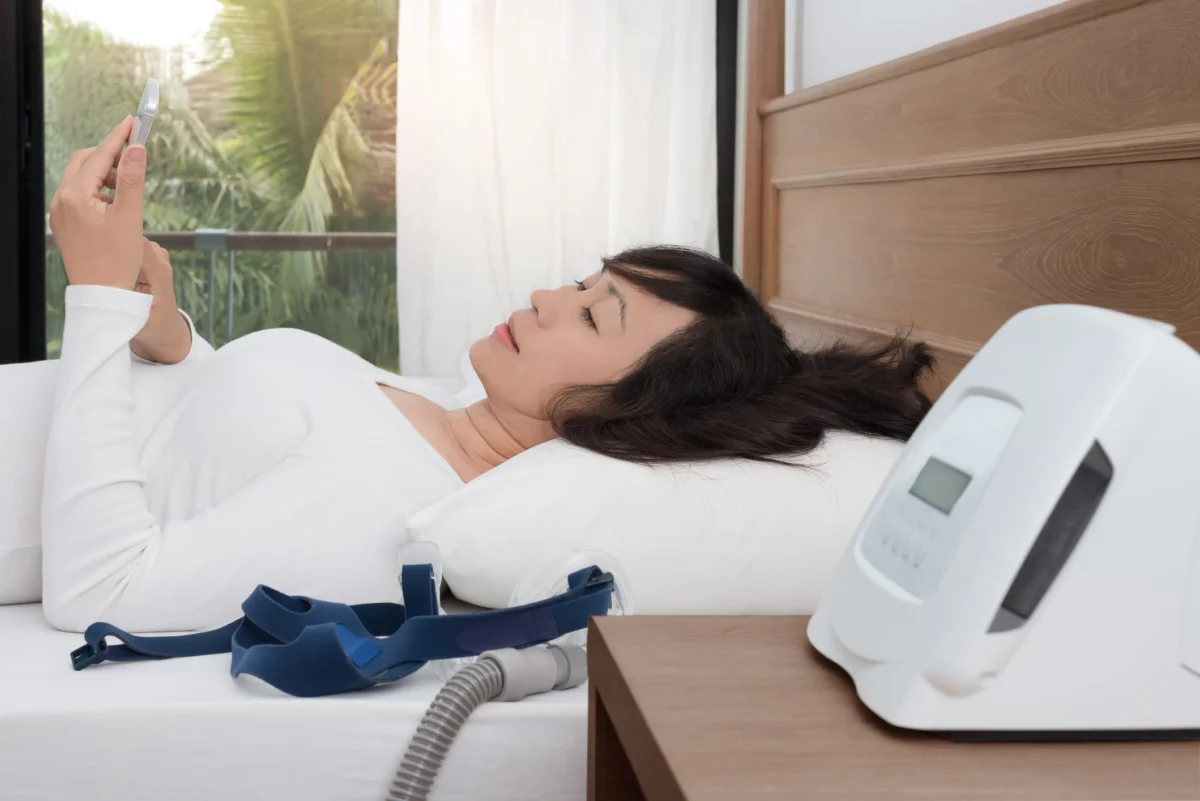
In the complex landscape of sleep apnea management, the transition from diagnosis to successful, long-term therapy adherence remains one of the most significant hurdles for clinicians. While Continuous Positive Airway Pressure (CPAP) therapy is the gold standard for treating obstructive sleep apnea, its efficacy is often undermined by subtle, underlying clinical issues that go unnoticed until a patient chooses to abandon treatment entirely.
To address this critical gap, SovaSage, a leader in digital health solutions for sleep, has announced the launch of "Clinical Indicator Intelligence." This advanced, machine learning-driven feature, integrated directly into the company’s flagship sovaGuide platform, represents a shift from reactive monitoring to proactive, clinical intervention. By analyzing a multi-dimensional array of therapy variables, the system aims to identify patients who are struggling—not just with usage, but with the therapeutic effectiveness of their treatment—before they become discouraged enough to quit.
The Core Challenge: Beyond Simple Compliance
For years, the sleep medicine industry has relied heavily on "compliance" as the primary metric of success. If a patient used their CPAP machine for the required number of hours, they were considered "successful." However, as William Kaigler, CEO of SovaSage, points out, "Patient engagement alone isn’t always enough."
A patient may diligently wear their mask every night, yet still suffer from daytime fatigue, morning headaches, or cognitive impairment. These patients are technically "compliant," but they are not achieving the desired clinical outcomes. These "silent strugglers" often fall through the cracks of traditional monitoring systems, which prioritize usage duration over therapy quality. When these patients continue to experience symptoms despite their best efforts, the resulting frustration often leads to the discontinuation of therapy—a phenomenon that can have dire health consequences, including increased risks of cardiovascular disease, stroke, and hypertension.
How Clinical Indicator Intelligence Functions
The innovation behind Clinical Indicator Intelligence lies in its holistic approach to data interpretation. Traditional monitoring systems often trigger alerts based on singular data points, such as elevated pressure settings or a sudden drop in usage. SovaSage’s new feature utilizes machine learning to synthesize a broader range of variables, moving away from simplistic threshold alerts.
A Multi-Variable Approach
Instead of flagging a patient based solely on a high-pressure reading—which might be a normal adjustment to a change in sleep position—the sovaGuide platform evaluates pressure in conjunction with other critical metrics. For example, the system is specifically optimized to identify elevated central apnea events (CAEs).
Central sleep apnea, where the brain fails to send the proper signals to the muscles that control breathing, can be exacerbated by CPAP therapy in some patients. By correlating pressure data, leak rates, and apnea-hypopnea index (AHI) trends, the software provides a clearer picture of whether a patient’s treatment is failing due to mechanical issues (like a mask leak) or physiological complications (like treatment-emergent central apneas).
Seamless Integration
The platform pulls longitudinal usage history and detailed therapy summaries directly from the clinical management software provided by major CPAP manufacturers. This integration ensures that the clinician is not looking at a fragmented view of the patient’s progress. Instead, they receive a comprehensive narrative of the patient’s therapeutic journey, allowing for faster, more informed decision-making.
Chronology of Development: A Commitment to Behavioral Science
SovaSage’s journey toward this release is rooted in their foundational mission: to combine the rigor of artificial intelligence with the nuances of behavioral science and clinical insight.
- Initial Research Phase: SovaSage spent years analyzing the common points of failure in CPAP therapy, identifying that the period between months three and six is often where "therapy fatigue" peaks.
- Prototype Development: The engineering team developed algorithms capable of filtering "noise"—minor data fluctuations—from genuine clinical indicators that suggest treatment failure.
- Platform Integration: In late 2023 and early 2024, the team began the final phase of integrating these machine learning models into the existing sovaGuide architecture, ensuring the user interface remained intuitive for busy clinicians.
- Official Launch: The release of Clinical Indicator Intelligence marks the culmination of this development cycle, now available to all eligible sovaGuide customers, effectively turning the platform into a diagnostic support tool rather than a mere data repository.
Official Perspectives: The Human-in-the-Loop Philosophy
A central concern with the introduction of any AI-driven tool in medicine is the potential for "automation bias," where clinicians might rely too heavily on algorithmic suggestions. SovaSage has been explicit in its messaging that Clinical Indicator Intelligence is designed to support, not replace, clinical judgment.
"Our mission has always been to combine artificial intelligence with behavioral science and clinical insight to improve patient outcomes," says Kaigler. He emphasizes that the responsibility for treatment decisions remains firmly in the hands of the physician. The system acts as a "clinical scout," scanning vast amounts of data to highlight patients who may have otherwise been overlooked, thereby optimizing the clinician’s limited time.
By filtering the data and surfacing only the most clinically relevant issues, the system reduces "alert fatigue" for healthcare providers. Instead of reviewing hundreds of reports, clinicians can focus their attention on the specific subset of patients who require intervention, making the practice of sleep medicine more efficient and effective.
Implications for the Future of Sleep Care
The introduction of this technology carries significant implications for the future of respiratory care.
1. Reducing Therapy Abandonment
By catching the signs of treatment failure early, providers can intervene with education, mask refittings, or pressure adjustments. This proactive support loop is expected to increase long-term adherence rates, which currently hover around 50% to 60% in many populations.
2. Shifting to Proactive Care Models
The healthcare industry is rapidly moving toward value-based care, where providers are reimbursed based on patient outcomes rather than the volume of services provided. Tools like Clinical Indicator Intelligence align with this trend by focusing on the "quality" of the therapy. When providers can demonstrate better health outcomes for their patients, they are better positioned to succeed in value-based reimbursement models.
3. Democratizing Advanced Analysis
In many sleep clinics, staff resources are stretched thin. By providing automated, intelligent insights, smaller practices can offer the same level of sophisticated, data-driven oversight as larger, multi-site academic centers. This levels the playing field, ensuring that patients receive high-quality care regardless of where they are treated.
Conclusion: A New Standard for Digital Health
The launch of Clinical Indicator Intelligence is more than just a software update; it is an acknowledgment that technology in medicine must be as nuanced as the human condition itself. As CPAP therapy becomes increasingly complex, the need for intelligent systems that can synthesize data into actionable clinical insights becomes paramount.
SovaSage’s approach—prioritizing the relationship between behavioral patterns and clinical variables—offers a promising path forward. By ensuring that patients who struggle with their therapy are identified early, the company is not only helping providers operate more efficiently but is also helping patients achieve the restorative sleep they need to lead healthier lives.
As the industry continues to integrate AI into clinical workflows, the success of tools like Clinical Indicator Intelligence will be measured by their ability to foster, rather than replace, the essential doctor-patient relationship. With this latest release, SovaSage has taken a significant step toward a future where "smarter care" leads to better, more sustainable health outcomes for all.
Eligible sovaGuide customers can now access these features, marking the beginning of a new chapter in proactive sleep medicine. As these tools become more prevalent, the hope is that the days of "passive monitoring" will soon be replaced by a more dynamic, engaged, and highly effective era of personalized sleep health.