By Kari McBride
The milestones of motherhood are often marked by grand, cinematic moments—the first word, the first day of school, the high school graduation. I remember my daughter’s first steps with the clarity of a high-definition photograph. After eighteen grueling months defined by a blur of clinical white walls, sterile waiting rooms, specialized physical therapy sessions, and the profound anxiety that accompanies a child’s health crisis, those little feet finally found their footing. Watching her swagger and sway down the hallway, I was consumed by a tidal wave of relief and joy. It was a singular, monumental event, the kind of memory one instinctively tries to etch into the subconscious, hoping to hold it forever against the eroding tide of time.
People often offer the platitude, "Savor this moment; it won’t happen again." At the time, I believed I understood the weight of that advice. I thought it was a call to celebrate the achievements. But as I navigate the complexities of life with my daughter, both of us now living in the shadow of chronic pain, I realize that "savoring" is not about the monumental peaks. It is a quiet, deliberate act of resistance against the relentless erosion of the human spirit caused by long-term illness.
The Anatomy of a New Routine: From Chore to Sanctuary
The journey toward understanding this shift began in the most mundane of ways: a request for a bird feeder. My daughter, now a teenager, approached me with the persistent enthusiasm of her age, insisting that our yard—and, by extension, our lives—required a bird-feeding station.
Initially, the request felt like an imposition. Between the medication schedules, the specialized dietary requirements, and the constant management of physical symptoms, my to-do list was already a sprawling, overwhelming document of necessity. To add the maintenance of avian wildlife felt like adding a burden to an already strained infrastructure. After a period of negotiation, however, I conceded. Today, we host bird feeders in both our front and back yards.
What I expected to be an additional chore—a task of filling hulls, cleaning trays, and tracking seed supplies—transformed into something entirely unexpected. It became a sensory sanctuary.
Chronology of a Healing Perspective
The transition from viewing the world through the lens of medical necessity to viewing it through the lens of intentional observation did not happen overnight.
- The Early Years (The Era of Firsts): During the infancy of my daughter’s health challenges, the focus was entirely on recovery and progress. Success was measured in milestones. The world was small, confined to the perimeter of hospitals and clinics.
- The Middle Years (The Era of Adaptation): As the chronicity of our conditions became clear, the focus shifted from "curing" to "coping." We spent years learning the architecture of our limitations.
- The Present (The Era of the Pause): The introduction of the bird feeders marked a pivot point. It was a conscious decision to invite a form of external life into our domestic space, which had become increasingly isolated by the demands of chronic pain.
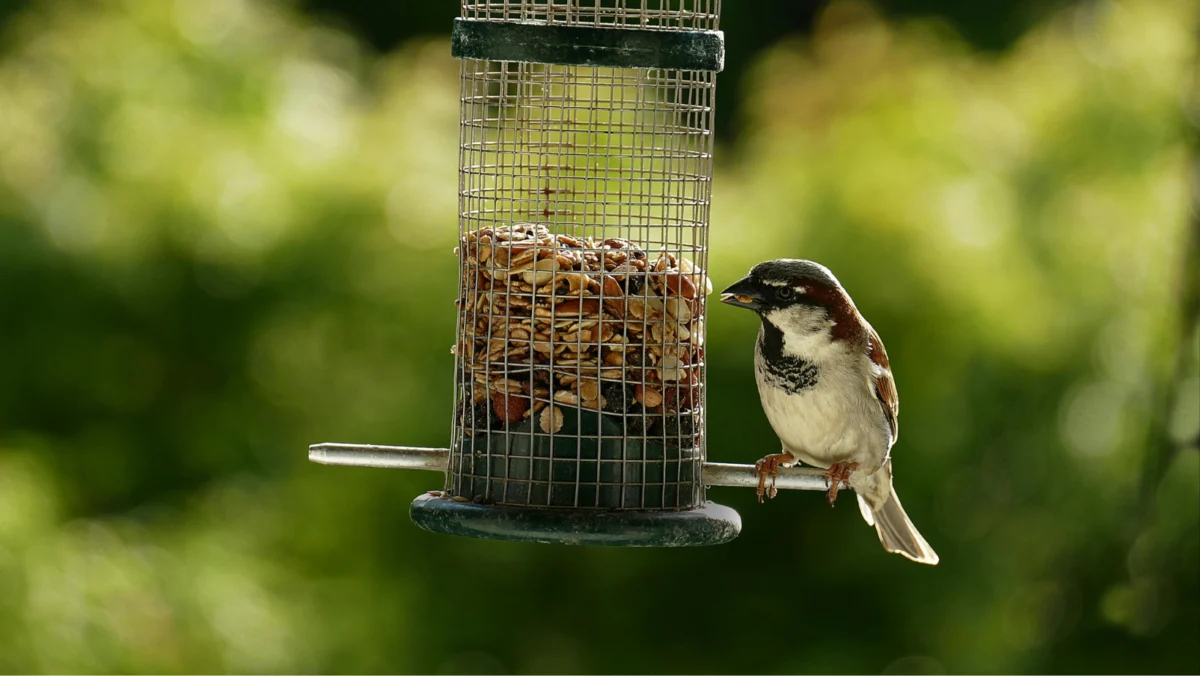
When I stand by the window, the world slows. A dove lands on the grass with a soft, rhythmic thud. A mockingbird hops along the fence line, its movements jerky and inquisitive. Each bird possesses a distinct personality, a vitality that exists entirely independent of our own internal struggles. For a few quiet moments, I find myself standing still. I watch. I breathe. I notice.
The Science of Savoring: Implications for Chronic Pain Management
While my experience is personal, it aligns with emerging research in the field of health psychology. Chronic pain is not merely a physical sensation; it is a neurological and emotional state that commands constant attention. It creates a "cognitive narrowing," where the brain becomes hyper-focused on the source of the pain, effectively screening out the nuances of the environment.
The Role of Mindfulness in Pain Modulation
Clinical studies suggest that "savoring"—the act of intentionally focusing on positive experiences—can trigger physiological changes that dampen the stress response. By shifting focus from the internal landscape of pain to the external observation of the natural world, patients can momentarily interrupt the pain-anxiety cycle.
"When a patient is suffering from chronic pain, their nervous system is often stuck in a high-alert state," says Dr. Elena Vance, a specialist in pain management. "By engaging in an activity that encourages ‘soft fascination’—such as watching birds or nature—the brain’s default mode network shifts. It provides a temporary reprieve from the constant monitoring of physical distress."
The Socio-Emotional Impact
For my daughter and me, the bird feeders have become a shared project that does not require physical exertion or high-energy output. It is a low-stakes, high-reward activity that fosters connection. It allows us to be together without the pressure of "performing" wellness. In our household, where pain is an uninvited guest, the birds are a welcome distraction—a reminder that there is a world moving forward outside our windows, indifferent to our suffering but beautiful nonetheless.
Navigating Reality: The Temporary Nature of Reprieve
I am not suggesting that a few finches or a cardinal can cure a chronic illness. The pain does not disappear. The challenges of navigating a medical system, the financial strain of long-term treatment, and the emotional toll of watching a child suffer are constant.
Often, these moments of stillness are fleeting. The birds fly away. A notification pings on my phone, or a sudden flare of pain demands my attention, and reality draws me back inward. However, I have learned that the brevity of these moments does not diminish their value.
In the past, I viewed these lapses in pain as failures of consistency—why couldn’t I stay in that peaceful state forever? Now, I recognize them as essential points of calibration. They are the moments that provide the emotional reserves necessary to face the next appointment, the next procedure, or the next difficult day.
Conclusion: Redefining the "Firsts"
In a life defined by chronic conditions, I am learning to lower the bar for what constitutes a "moment." I no longer wait for the monumental firsts—the graduations or the grand successes—to justify my joy. I have begun to catalog the smaller, faster, quieter experiences.
I am noticing the way the morning light hits the feeder, the specific song of a sparrow, and the way my daughter’s face brightens when she spots a rare visitor. These are the moments that pass quickly, unless I choose to stop and see them.
Maybe this is the true definition of savoring. It is not an act of holding onto the past or demanding the future stay fixed. It is the humble, recurring choice to acknowledge the beauty that exists in the present, despite the pain. It is an act of defiance, a way of saying that even within the architecture of chronic illness, there is still room for a life that is being truly lived.
As I stand here, watching the backyard bustle with life, I am reminded that while I cannot control the hand I have been dealt, I can control where I cast my eyes. And for today, that is enough.