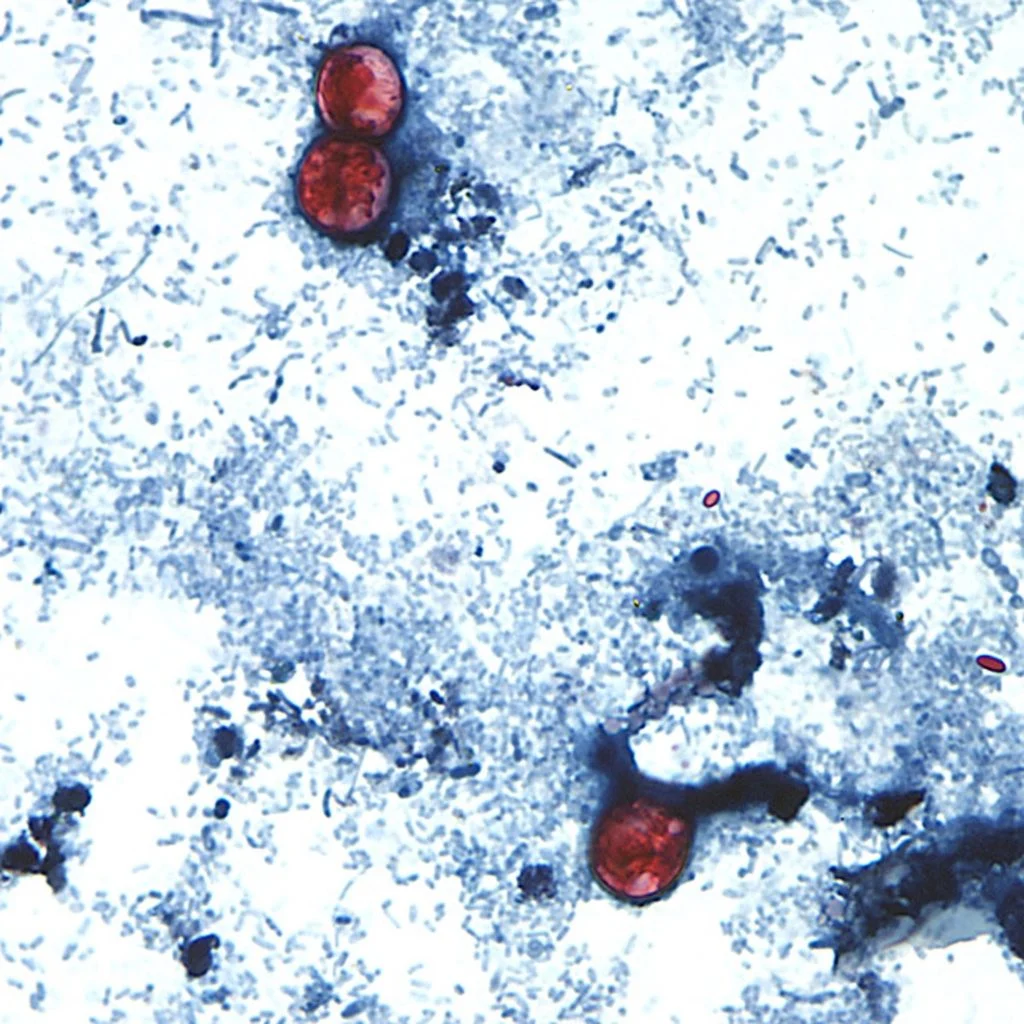
As federal health officials scramble to contain what has become the largest recorded outbreak of cyclosporiasis in United States history, a cloud of confusion, administrative instability, and conflicting data has left the public searching for clarity. With over 1,600 confirmed cases and an additional 5,000 potential infections under investigation across more than 30 states, the ongoing crisis serves as a stark reminder of the vulnerabilities within the modern food supply chain.
At the heart of the crisis is a microscopic parasite, Cyclospora cayetanensis, which causes a debilitating gastrointestinal illness. While initial investigations pointed toward shredded iceberg lettuce, the path to identifying the exact source has been marred by a high-profile "false positive" report and a fragmented federal response.
The Scope of the Crisis: By the Numbers
The current outbreak represents a significant challenge to the Centers for Disease Control and Prevention (CDC) and the Food and Drug Administration (FDA). Cyclospora is a parasite that thrives in warmer climates and is notoriously difficult to track. Unlike bacterial outbreaks, such as E. coli or Salmonella, which often present with rapid onset, cyclosporiasis has an incubation period of up to 12 days.
This latency period makes patient interviews—the gold standard of epidemiological traceback—exceptionally difficult. Asking individuals to accurately recount every ingredient consumed in every meal over a two-week window is a laborious process, and as experts note, it is prone to significant human error.
Currently, the data suggests:
- Confirmed Cases: More than 1,600 individuals have tested positive for the parasite.
- Suspected Cases: Nearly 5,000 individuals are being monitored across 30 states.
- The "False Positive" Incident: The FDA recently retracted an initial report that a sample of lettuce from Taylor Farms tested positive for the parasite, clarifying that it was a false positive. However, the agency maintains that the broader epidemiological evidence continues to link the firm’s products to the ongoing illnesses.
Chronology of an Investigation Gone Awry
The investigation has been defined by a "whiplash" effect, where rapid-fire updates have left both the industry and consumers reeling.
Early Detection and Traceback
When the first clusters of illness began appearing, the CDC and FDA utilized patient-interview data to build a "common exposure" profile. In many cases, patients identified shredded lettuce as a consistent component of their diet in the days leading up to the onset of symptoms. Using shipping manifests, invoices, and distribution records, federal investigators traced the supply chain back to Taylor Farms, specifically facilities processing produce from Mexico.
The Laboratory Setback
The situation grew complicated when preliminary testing indicated a positive result for Cyclospora on a sample of lettuce sourced from Taylor Farms. The news caused immediate alarm, leading to a surge in public concern regarding the safety of fast-food chains like Taco Bell, which rely on large-scale supply contracts. However, follow-up testing revealed the sample was a false positive, leading to a temporary suspension of the immediate panic but doing little to alleviate the underlying epidemiological concerns.
The Current Stasis
Despite the laboratory error, the FDA has not exonerated the supplier. Instead, they argue that the weight of the evidence—including geographical clustering of cases and direct supply chain links—strongly implicates the company’s products. This has created a "he said, she said" dynamic that has muddied the waters, as the company navigates public relations challenges while federal agencies struggle to provide a unified message.
The "Perfect Storm": Why This Outbreak Is Different
Dr. Katelyn Jetelina, an adjunct professor at the Yale School of Public Health and author of Your Local Epidemiologist, describes the current response as one of the most opaque and poorly communicated public health efforts in recent memory. She points to three distinct factors contributing to this difficulty.
1. The Nature of the Parasite
Cyclospora is a particularly "nasty" organism. Because the symptoms—which include explosive diarrhea, fatigue, and severe abdominal cramping—do not manifest for nearly two weeks, the investigative timeline is stretched thin. By the time a patient presents to a physician, the contaminated product has often been consumed, discarded, or cycled out of the marketplace.
2. A Hollowed-Out Federal Response
The current crisis is unfolding at a time when the federal infrastructure is experiencing a period of transition. The absence of permanent directors at both the FDA and the CDC has contributed to a lack of decisive leadership. Furthermore, significant staff turnover and budget-driven reorganizations over the past 18 months have limited the surge capacity of these agencies. Without a centralized, authoritative voice to cut through the noise, the public is left to piece together information from fragmented press releases.
3. Corporate Muffling
The role of private entities in the outbreak investigation cannot be ignored. Large agricultural suppliers like Taylor Farms possess significant resources, and their public relations strategies have, at times, clashed with the urgent, transparent needs of public health investigators. This misalignment has caused confusion regarding which specific products are recalled and which remain safe for consumption.
Official Responses and Public Safety Guidelines
The FDA continues to advise caution, particularly in the 27 states where the highest concentrations of cases have been reported. While the agency has not issued a universal ban on all lettuce, the lack of specific, actionable data regarding which batches are contaminated has led experts to suggest a more conservative approach.
Recommendations for Consumers:
- Avoid Iceberg Lettuce: In the affected regions, it is currently considered the safest course of action to avoid shredded iceberg lettuce entirely until the supply chain is cleared.
- Prioritize Local Sources: Farmers’ markets and locally sourced greens often bypass the massive, centralized distribution networks that are currently under scrutiny. While not immune to contamination, they are statistically less likely to be involved in a massive, multistate, industrial-scale outbreak.
- Heightened Vigilance for High-Risk Groups: Individuals who are pregnant, over the age of 65, or immunocompromised should exercise extreme caution. Dr. Jetelina suggests avoiding produce with difficult-to-clean crevices, such as raspberries, until the parasite is confirmed to be out of the regional supply chain.
- Demand Transparency: Consumers are encouraged to check official CDC and FDA websites rather than relying on social media rumors or unverified third-party reports.
Implications for the Future of Food Safety
This outbreak serves as a cautionary tale for the future of the American food system. The reliance on complex, globalized supply chains means that a single point of contamination can trigger a cascade of illness across thousands of miles.
If there is a silver lining to this crisis, it is the renewed conversation surrounding the need for a more robust, technologically advanced, and well-funded public health apparatus. Without the ability to rapidly trace products from farm to fork, and without a federal agency empowered to communicate with absolute authority, the nation remains vulnerable to similar outbreaks.
As the investigation continues, the focus must shift from reactive crisis management to proactive prevention. For now, the "nut" remains uncracked. The mystery of the Cyclospora outbreak is a reminder that in an interconnected world, the safety of our dinner plates depends not just on the hygiene of the farm, but on the integrity of the entire system that brings food to our tables.
As we await further clarification from federal officials, the advice remains clear: stay informed, monitor for symptoms, and when in doubt, choose safer alternatives until the regulatory agencies can definitively close the book on this historic and frustrating chapter of foodborne illness.