











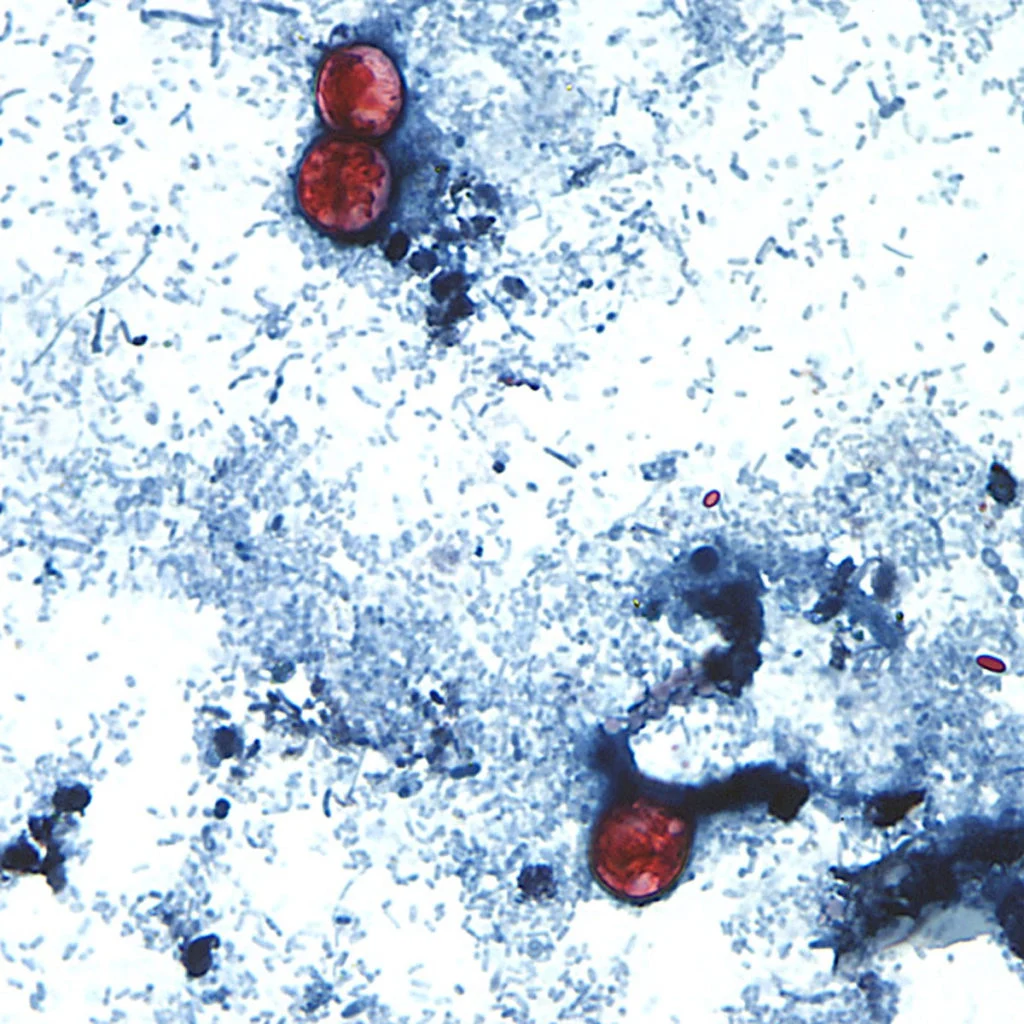
As the summer heat intensifies, a silent and persistent public health challenge is sweeping across the United States. A parasitic intestinal disease, cyclosporiasis, has been reported in thirty-one states, affecting thousands of individuals and straining local healthcare systems. While the United States is no stranger to seasonal outbreaks of foodborne illnesses, the current surge is markedly higher than historical averages, sparking urgent concerns among medical professionals and public health experts regarding both the source of the contamination and the nation’s capacity to track such outbreaks in real time.
The Nature of the Pathogen: Understanding Cyclosporiasis
Cyclosporiasis is a foodborne or waterborne disease caused by the microscopic parasite Cyclospora cayetanensis. Unlike many common stomach bugs that resolve within a few days, Cyclospora is notorious for its ability to wreak havoc on the human digestive system for extended periods.
According to Dr. Omer Awan of the University of Maryland School of Medicine, the clinical presentation is distinct and debilitating. Patients typically report a combination of nausea, severe fatigue, bloating, and what clinicians describe as "explosive, watery diarrhea." While a standard viral gastroenteritis might pass within 48 to 72 hours, an untreated Cyclospora infection can persist for weeks or even months, leading to significant dehydration, electrolyte imbalances, and prolonged physical distress.
The diagnostic challenge is compounded by the parasite’s long incubation period. Once ingested, the Cyclospora oocysts require anywhere from two to 14 days to manifest symptoms. This two-week window creates a significant epidemiological hurdle: by the time a patient presents to a physician with symptoms, they are often unable to recall the specific food item or water source that initially introduced the parasite into their system.
A Chronology of the Outbreak
The current spike in cases gained national attention as state health departments began reporting anomalously high numbers of infections throughout the summer months. While the Centers for Disease Control and Prevention (CDC) has historically served as the primary repository for outbreak data, the current situation has revealed a fragmentation in surveillance reporting.
Early Warning Signs
As early as late spring, public health officials in various states began noticing an uptick in gastrointestinal distress cases that did not align with typical seasonal viruses. By the time the summer peak arrived, the numbers had escalated significantly.
The Michigan Surge
Michigan has emerged as the epicenter of this crisis, bearing a disproportionate burden of the total case count. With more than 2,600 confirmed cases, the state has seen the strain on its healthcare infrastructure firsthand. Of these cases, at least 44 individuals have required hospitalization due to the severity of their symptoms, highlighting that while the illness is generally not fatal, it possesses the capacity to be profoundly dangerous for vulnerable populations.
The Surveillance Gap
The lack of a centralized, real-time data stream has become the most contentious aspect of this timeline. While the CDC reported fewer than 1,000 cases earlier in the season, state-level data—most notably from Michigan—suggested a much higher total, likely exceeding 4,000 cases nationwide. This discrepancy suggests that the federal government is operating with a significant blind spot regarding the true scale of the transmission.
Supporting Data and Epidemiological Factors
The primary reason this outbreak has proven so difficult to contain is the lack of a "smoking gun." Historically, Cyclospora outbreaks in the U.S. have been linked to imported produce, such as fresh cilantro, basil, raspberries, and various types of lettuce. However, investigators have yet to identify a single point of origin or a specific brand of produce responsible for the current wave.
The Persistence of Transmission
Dr. Awan notes that the two-week incubation period is a "double-edged sword" for public health. Even if investigators were to identify and remove the contaminated product from supermarket shelves today, the lag time means that new cases would continue to appear for another 14 days. This latency allows the parasite to continue circulating through the food supply chain, effectively staying one step ahead of containment efforts.
Environmental Influence
Cyclospora thrives in warm, humid environments, which explains the distinct seasonality of the disease. The parasite is hardy and resistant to many common disinfectants used in food processing. Consequently, if produce is contaminated at the farm level, standard washing procedures often fail to eliminate the microscopic oocysts.
Official Responses and the Surveillance Debate
A critical component of this story is the systemic change in how the federal government monitors foodborne pathogens. Critics and health experts have pointed to recent shifts in CDC policy as a primary factor in the current struggle to manage the outbreak.
The Impact of Reduced Surveillance
In July 2025, the CDC moved to make the reporting of cyclosporiasis optional for the Foodborne Disease Active Surveillance Network (FoodNet). This policy shift was coupled with broader budgetary constraints and staffing changes at the Department of Health and Human Services (HHS), which resulted in the loss of personnel specifically tasked with tracking foodborne outbreaks.
Dr. Awan argues that these administrative changes have directly hampered the response. By removing the mandate for consistent reporting, the federal government lost the granular, state-by-state data necessary to perform "cluster analysis"—the process of comparing patient grocery lists to find commonalities. When data is optional, it is incomplete; when it is incomplete, the "source" remains elusive.
The Reliance on State Data
Because the federal system is currently underperforming, the responsibility for managing the outbreak has effectively shifted to state health departments. These agencies are performing the heavy lifting of contact tracing and patient interviews, though they lack the national leverage to force recalls on products distributed across state lines.
Implications for Public Health and Consumer Safety
The current Cyclospora outbreak serves as a sobering reminder of the vulnerabilities inherent in the modern food supply chain. As the investigation continues, there are several key takeaways for both policy makers and the general public.
How to Protect Yourself
While official investigators search for the source, individuals must take proactive, common-sense measures to minimize their risk:
- Rigorous Washing: While not a guarantee against Cyclospora, washing all produce under running water and scrubbing the surfaces of firm fruits and vegetables is a standard safety protocol.
- Temperature Control: The only reliable way to kill the Cyclospora parasite is through heat. Cooking produce to an internal temperature of at least 158 degrees Fahrenheit will effectively neutralize the parasite.
- Refrigeration: Promptly refrigerating produce upon returning from the store can slow the growth of certain pathogens, though it does not kill the Cyclospora parasite.
- Hygiene: Consistent handwashing for at least 20 seconds remains one of the most effective ways to prevent the spread of any foodborne illness.
The Need for Structural Reform
The implications of this outbreak extend far beyond the current summer. There is a growing call from the medical community to reinstate mandatory surveillance for cyclosporiasis. The ability to identify a source of contamination within days—rather than months—is the difference between an isolated event and a nationwide epidemic.
As the summer concludes, the medical community remains on high alert. If a patient experiences persistent, watery diarrhea for more than 48 hours, they are urged to seek medical evaluation. Testing for Cyclospora is distinct from routine stool cultures, so patients should specifically ask their physicians about testing for this parasite. With timely diagnosis, most patients recover quickly following a seven-to-10-day course of antibiotics, such as Bactrim.
Ultimately, this episode highlights the fragility of public health surveillance in the face of evolving food safety challenges. Without a robust, well-funded, and mandatory reporting infrastructure, the American public remains unnecessarily vulnerable to preventable foodborne illnesses, forced to rely on individual vigilance rather than the systemic protection they expect from their public health agencies.