










As October marks "Work-Family Month," the dialogue surrounding the modern employee has shifted from a binary focus on child-rearing to a comprehensive understanding of "lifespan caregiving." This evolution recognizes that the average professional is no longer just balancing a career and parenthood; they are often simultaneously managing the complex health and logistical needs of aging parents, spouses, siblings, and children with special needs.
In the latest episode of the Caregiving Club On Air podcast (Season 6, Episode 76), host Sherri Snelling sits down with Lindsay Jurist-Rosner, Founder and CEO of Wellthy, to dissect the critical role of corporate support in navigating the healthcare and long-term care systems that currently overwhelm millions of American families.
The Modern Caregiving Landscape: Facts and Figures
The traditional image of a "caregiver" is rapidly being replaced by a more nuanced, systemic reality. According to current labor and health data:
- The Adult Caregiver Demographic: More than 63 million Americans are currently providing care for an adult loved one.
- The Parental Challenge: Approximately 72 million Americans are parents to children, with 1 in 6 of those parents managing the care of a child with complex or special needs.
- The "Sandwich Generation" Squeeze: Many professionals find themselves in the "sandwich" position, providing care for children and aging relatives simultaneously, leading to unprecedented levels of burnout, absenteeism, and lost productivity in the workplace.
The complexity of navigating medical appointments, insurance claims, in-home care agencies, and legal guardianship has turned "care navigation" into a full-time, often exhausting, second job.

Chronology of the Caregiving Shift
For decades, workplace benefits were siloed. Employers offered childcare support, and perhaps, as an afterthought, some senior care resources. However, the last few years have seen a rapid acceleration in the demand for integrated solutions.
- The Pre-Pandemic Era: Caregiving was largely treated as a private, domestic matter. Employee Assistance Programs (EAPs) offered limited, generic resources that often failed to address the hyper-specific, long-term nature of caring for a loved one with a chronic illness or disability.
- The Pandemic Pivot: COVID-19 acted as a catalyst, pulling the curtain back on the fragility of our care infrastructure. When schools closed and nursing homes locked down, employees were forced to manage care in real-time, often during business hours.
- The Integration Era (2024–2025): Companies have begun to recognize that "care" is a singular category that spans the human lifespan. The acquisition of Cleo by Wellthy serves as a primary example of this industry-wide shift. By merging senior care navigation with pediatric and family support, platforms like Wellthy are moving toward a "whole-person" approach to family benefits.
Supporting Data: The Cost of Ignoring Caregivers
The financial and professional implications of an unsupported caregiving workforce are profound. When an employee spends their workday coordinating an MRI for a parent or finding a respite care provider for a child with complex needs, the "presenteeism"—the state of being at work but mentally preoccupied—rises sharply.
Research cited by experts in the field suggests that:
- Retention: Employees with caregiving responsibilities are significantly more likely to quit or reduce their hours if their employer does not offer flexible care solutions.
- Productivity: Caregivers lose an estimated 10–15 hours per week to "care-related tasks" during work hours.
- Health Outcomes: The emotional and physical toll on the caregiver often leads to increased medical leave for the employee themselves, creating a secondary health crisis for the organization.
Official Perspectives: The Wellthy Vision
During the podcast interview, Lindsay Jurist-Rosner emphasized that the goal of companies like Wellthy is to provide a "care concierge" model. It is not enough to provide a list of local nursing homes; employees need active navigation.
"Caregiving is not a one-time event; it is a lifespan experience," Jurist-Rosner noted. She argues that the modern workplace must transition from a "benefits checklist" mentality to a "culture change" strategy. This involves not only offering services but also destigmatizing the conversation around caregiving so that employees feel empowered to disclose their needs without fear of career stagnation.
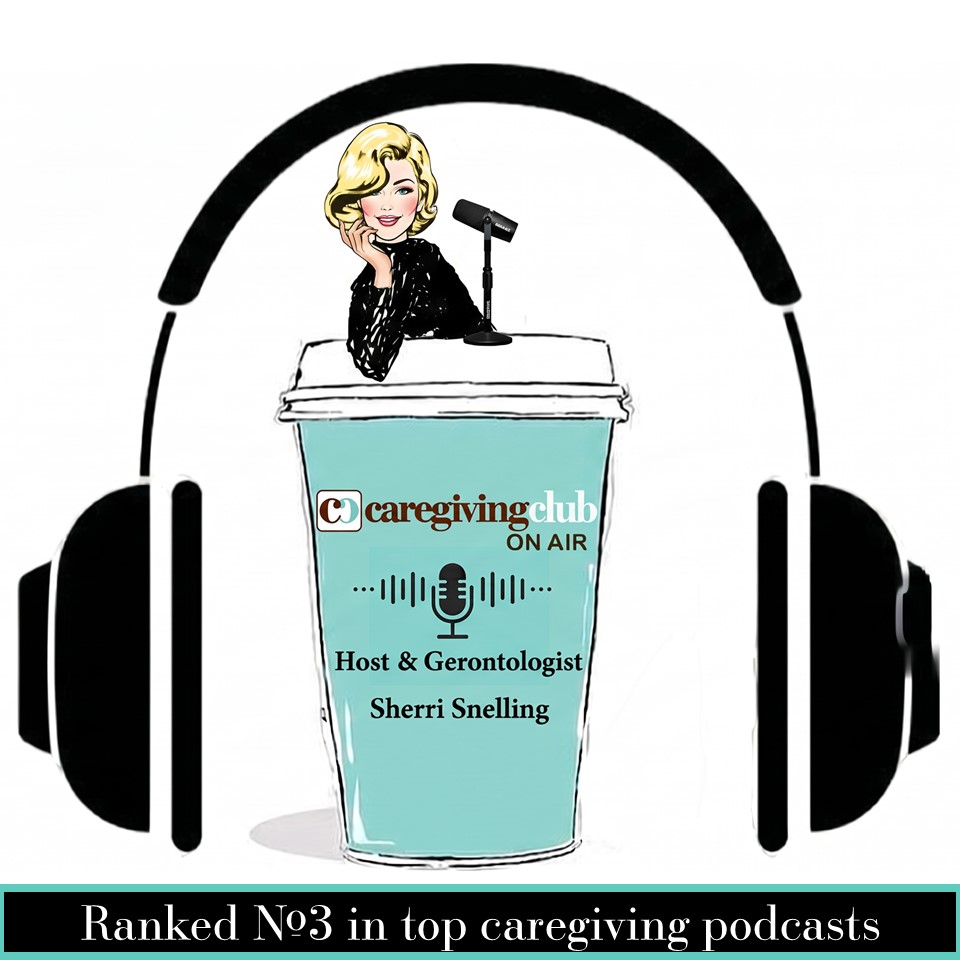
The "Caregiving Club On Air" has been a vital voice in this movement, recently reaching the #3 spot among the top 80 caregiving podcasts globally, according to Feedspot. This ranking reflects a growing hunger for actionable advice and a broader cultural shift toward prioritizing the wellbeing of those who provide care.
Implications for the Future of Work
As we move through the remainder of the decade, the integration of "lifespan caregiving" into corporate strategy will likely become a competitive advantage. The implications are three-fold:
1. From Benefits to Culture
Organizations that view caregiving as a core pillar of their Diversity, Equity, and Inclusion (DEI) initiatives will outperform those that do not. When a manager is trained to recognize the signs of caregiver burnout, they can offer flexible scheduling or project re-scoping, which builds long-term loyalty.
2. The Rise of the "Care Coordinator"
We are witnessing the professionalization of the family caregiver. With the assistance of technology and expert navigators, the "family CEO" is learning to delegate tasks, utilize respite care, and leverage digital tools to manage complex health data. Employers who facilitate this through high-quality benefits will see higher retention rates.
3. Financial Wellness as a Necessity
Financial strain is the most common byproduct of caregiving. Whether it is paying for home health aides or funding a transition to assisted living, the costs are astronomical. Forward-thinking companies are now exploring financial wellness programs specifically tailored to the "caregiver’s wallet," including tax-advantaged accounts and emergency fund assistance.
Educational Resources and Next Steps
For those looking to deepen their understanding or seek support, the following resources are recommended:
- Professional Navigation: Visit Wellthy.com to explore professional care navigation services that can alleviate the burden of complex healthcare systems.
- Governmental Assistance: The Elder Care Locator (1-800-677-1116) remains the gold standard for finding local, public-sector resources for seniors.
- Self-Care Strategies: Sherri Snelling’s Me Time Monday book and workshop series provide essential frameworks for the caregiver to maintain their own identity and health amidst the chaos of care.
- Media Engagement: The Caregiving Club has recently migrated its news segments to a dedicated YouTube channel, providing bi-weekly updates on research, pop culture, and workplace trends.
Conclusion
The narrative of the American worker is changing. As we navigate the "Gen C" (Generation Caregiver) era, the distinction between "work" and "life" continues to blur. October’s Work-Family Month serves as a poignant reminder that while caregiving is an act of love, it is also a structural challenge that requires collective action.

Whether through employer-sponsored navigation tools or a shift in corporate culture toward flexibility and empathy, the path forward is clear: to sustain our workforce, we must support the individuals who sustain our families. By integrating these lessons into the fabric of the modern office, we don’t just improve productivity; we preserve the dignity and health of millions of caregivers across the nation.