










For many, maple syrup is the quintessential comfort condiment—a nostalgic drizzle that defines slow weekend mornings and the perfect pairing for everything from fluffy pancakes to sophisticated pan-seared proteins. However, in an aisle often crowded with high-fructose corn syrup masquerading as "pancake syrup," discerning the difference between an imitation product and the real deal is a culinary necessity.
Top chefs and food experts are increasingly turning their attention toward pure, single-ingredient maple syrup. Beyond the flavor, there is a growing movement toward understanding the ethics of our pantry staples. To navigate this landscape, we turned to Chef Raphael Wrobel, a noted expert with Switch4Good, to explore why pure maple syrup stands head and shoulders above refined alternatives and to identify the brands that earn a spot in a professional kitchen.
The Case for Pure Maple: Why It Matters
When we talk about "maple syrup," the conversation must begin with integrity. Chef Raphael Wrobel argues that true maple syrup is one of the few high-quality sweeteners that remains minimally processed.
"It is one of the few quality sweeteners that is naturally plant-based, minimally processed, and packed with actual flavor complexity instead of just in-your-face sweetness," Wrobel explains. "Unlike honey, it doesn’t involve any animal labor, and unlike refined sugars, it still carries the essence and character of where it came from—the soil, the trees, and in some cases, the season it was tapped."
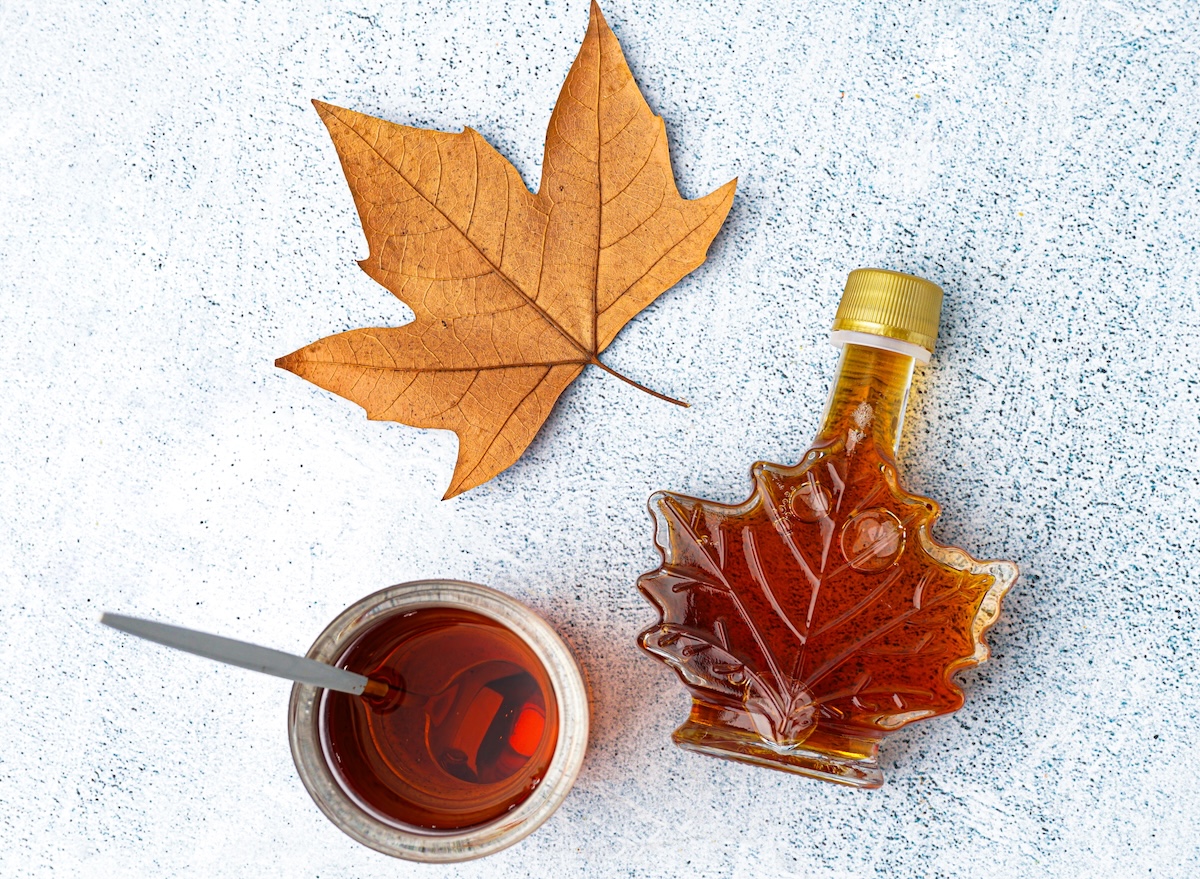
The "in-your-face" sweetness found in mass-market brands is typically derived from corn syrup, artificial flavors, and caramel coloring. In contrast, pure maple syrup is an agricultural product, graded by color and intensity, and dictated by the terroir of the forest from which it is harvested.
Chronology of a Sweet Tradition
The production of maple syrup is a practice steeped in history, originating with Indigenous peoples in North America who first recognized the potential of maple sap.
- Early History: Indigenous communities utilized the concentrated sap as a source of energy and a vital trading commodity.
- 18th & 19th Century: Settlers adopted the practice, refining the evaporation process over open fires.
- The 20th Century Shift: The rise of industrialization saw the birth of "pancake syrup," a cheap alternative made primarily of corn syrup, which dominated grocery store shelves for decades.
- The Modern Renaissance: In the last two decades, a shift toward farm-to-table dining and plant-based nutrition has led consumers back to pure, Grade-A maple syrup. Today, the focus is on transparency, sustainability, and supporting small-to-medium-scale operations.
Supporting Data: Understanding the Grades
Maple syrup is not a monolith. In the United States, the USDA regulates the grading system, which is based on color and flavor intensity. Understanding these grades is the first step toward becoming a more informed consumer:
- Golden Color, Delicate Taste: Typically harvested early in the season, this syrup is light and subtle, perfect for yogurt or light desserts.
- Amber Color, Rich Taste: The most common variety for table use, featuring a balanced profile that works well in baking and as a standard breakfast accompaniment.
- Dark Color, Robust Taste: Harvested later in the season, this variety packs a deeper, caramelized punch. It is the preferred choice for chefs who want the maple flavor to stand out against other ingredients.
- Very Dark Color, Strong Taste: This is the most intense, often used primarily for commercial cooking and industrial food manufacturing, though enthusiasts of deep, earthy flavors enjoy it on waffles.
Chef-Recommended Brands: The Gold Standard
If you are looking to elevate your pantry, Chef Wrobel highlights five brands that meet the rigorous standards of professional kitchens, focusing on single-ingredient purity, vegan certification, and accessibility.
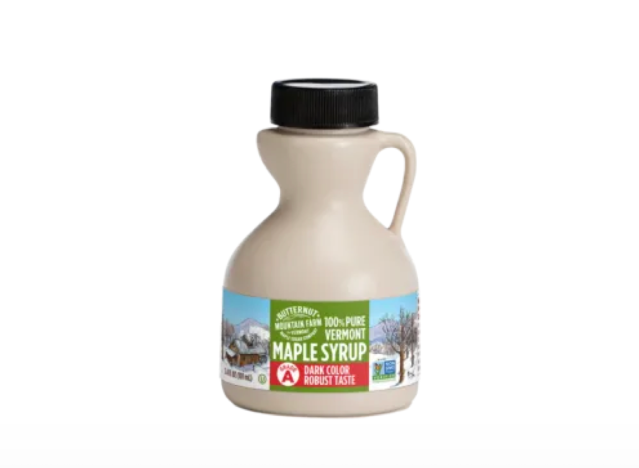
1. Butternut Mountain Farm
This family-owned Vermont operation is a benchmark for quality. "Their Organic Grade-A Amber syrup has received high praise and features just one ingredient: pure organic maple syrup," says Wrobel. Because the brand is widely available at major retailers like Walmart, it serves as the perfect example of how high-end quality can be accessible to the average household.
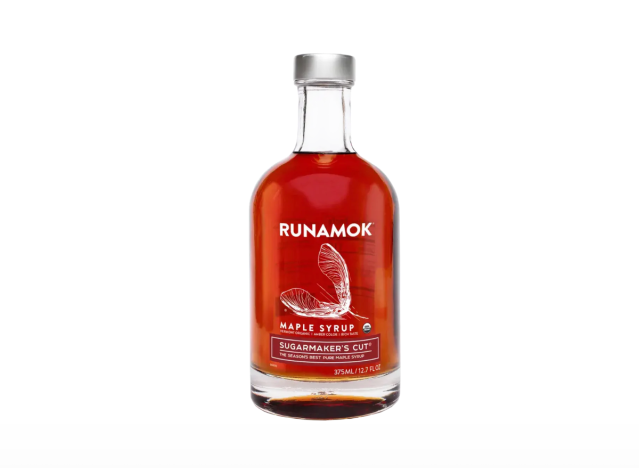
2. Runamok
For those who want to experiment with the versatility of maple, Runamok is a game-changer. Known for a modern, chef-driven approach, they offer a range of infusions—including their popular Vanilla Bean Infused Maple Syrup. Their "Sugarmaker’s Cut" is a staple in many kitchens, and the brand is entirely vegan-friendly, making it a reliable choice for plant-based chefs.
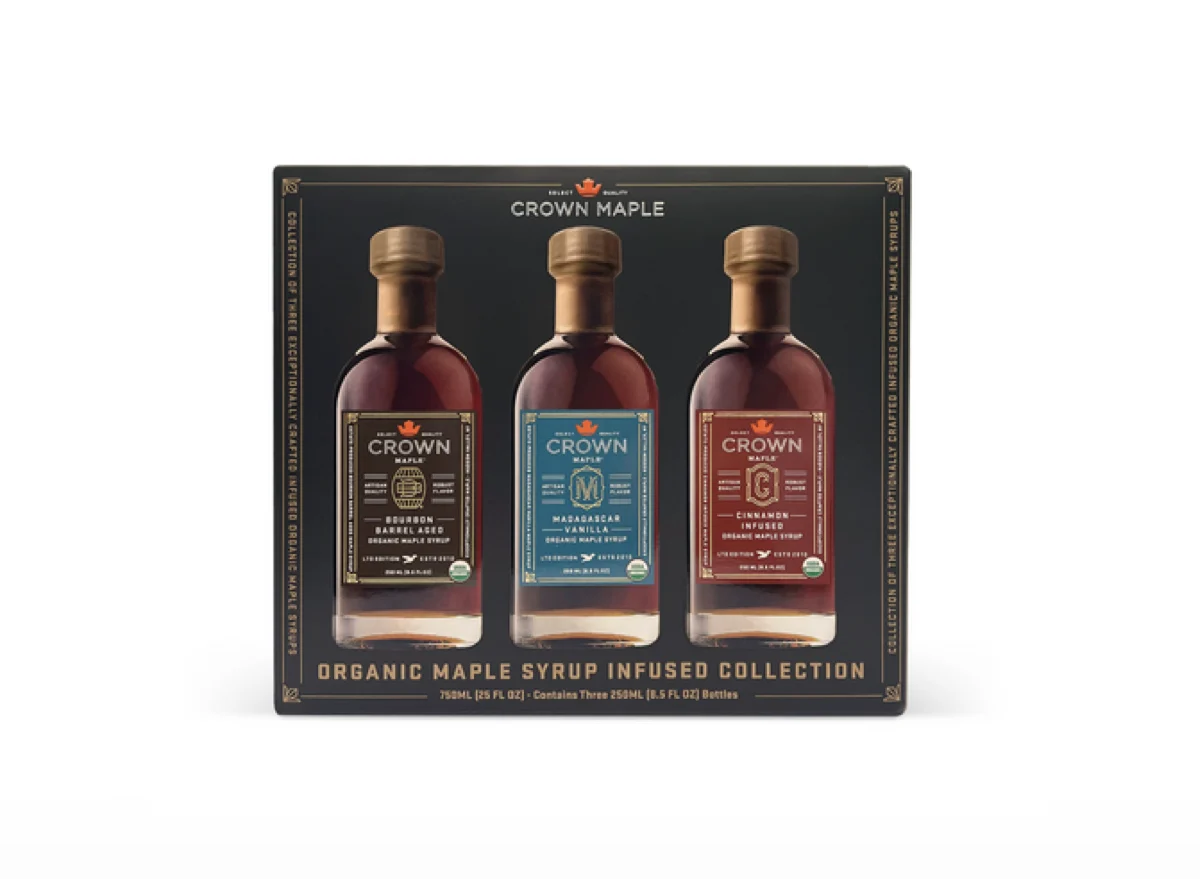
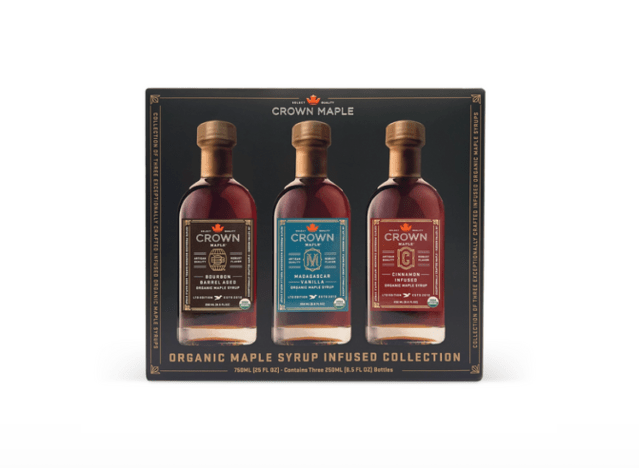
3. Crown Maple
When the goal is to impress, Crown Maple is the go-to. Their Amber Color Rich Taste variety is lauded by industry professionals for its specific flavor profile and depth. Like the other top-tier options, it remains a single-ingredient product, ensuring that the consumer receives nothing but pure, unadulterated forest essence.
4. Kirkland Signature (Costco)
One of the most surprising and beloved staples in the professional culinary world is the Kirkland Signature Organic Pure Maple Syrup. Wrobel emphasizes that this brand proves you do not need to break the bank to get an authentic product. "We’re talking accessibility, affordability, and quality for readers," he notes, highlighting that even at a mass-market volume, the brand maintains its commitment to single-ingredient purity.
5. 365 by Whole Foods Market
For many, the grocery store search ends at Whole Foods. Their 365 brand offers an Organic Grade-A Dark Amber syrup that is both affordable and consistently high-quality. Because Whole Foods is ubiquitous, this brand is an excellent entry point for those looking to switch from refined sugar or artificial syrups to the real thing.
The Ethical and Health Implications
Why should the average consumer care if their syrup comes from a tree or a corn refinery? The implications go far beyond taste.
Environmental Impact: Pure maple syrup production is a form of sustainable forestry. The sugar maple tree must be healthy and mature to be tapped, and the process does not harm the tree, encouraging landowners to maintain forest health rather than clearing it for development.
Health Consciousness: While maple syrup is still a form of sugar, it contains antioxidants, minerals like manganese and zinc, and a lower glycemic index compared to refined white sugar or high-fructose corn syrup. When used in moderation, it offers a more "natural" sweetness that aligns with the philosophy of whole-food nutrition.
The Animal Labor Factor: As Chef Wrobel pointed out, maple syrup is inherently vegan. Unlike honey, which requires the exploitation of bee populations and can have varying impacts on local ecosystems, maple syrup is harvested directly from the sap of trees, a process that relies on the natural biological cycles of the forest.
Conclusion: A Simple Upgrade for Every Kitchen
Replacing your bottle of "pancake syrup" with a bottle of pure, single-ingredient maple syrup is one of the easiest ways to improve your culinary repertoire. Whether you are choosing the budget-friendly Kirkland Signature or the artisanal, infused varieties from Runamok, you are making a choice that prioritizes flavor, health, and environmental sustainability.
As you head to the store, remember the mantra of the professional chef: Check the label. If the ingredient list contains anything other than "pure maple syrup," put it back. The essence of the soil, the tree, and the season is waiting in the real stuff—and it is worth every penny.