








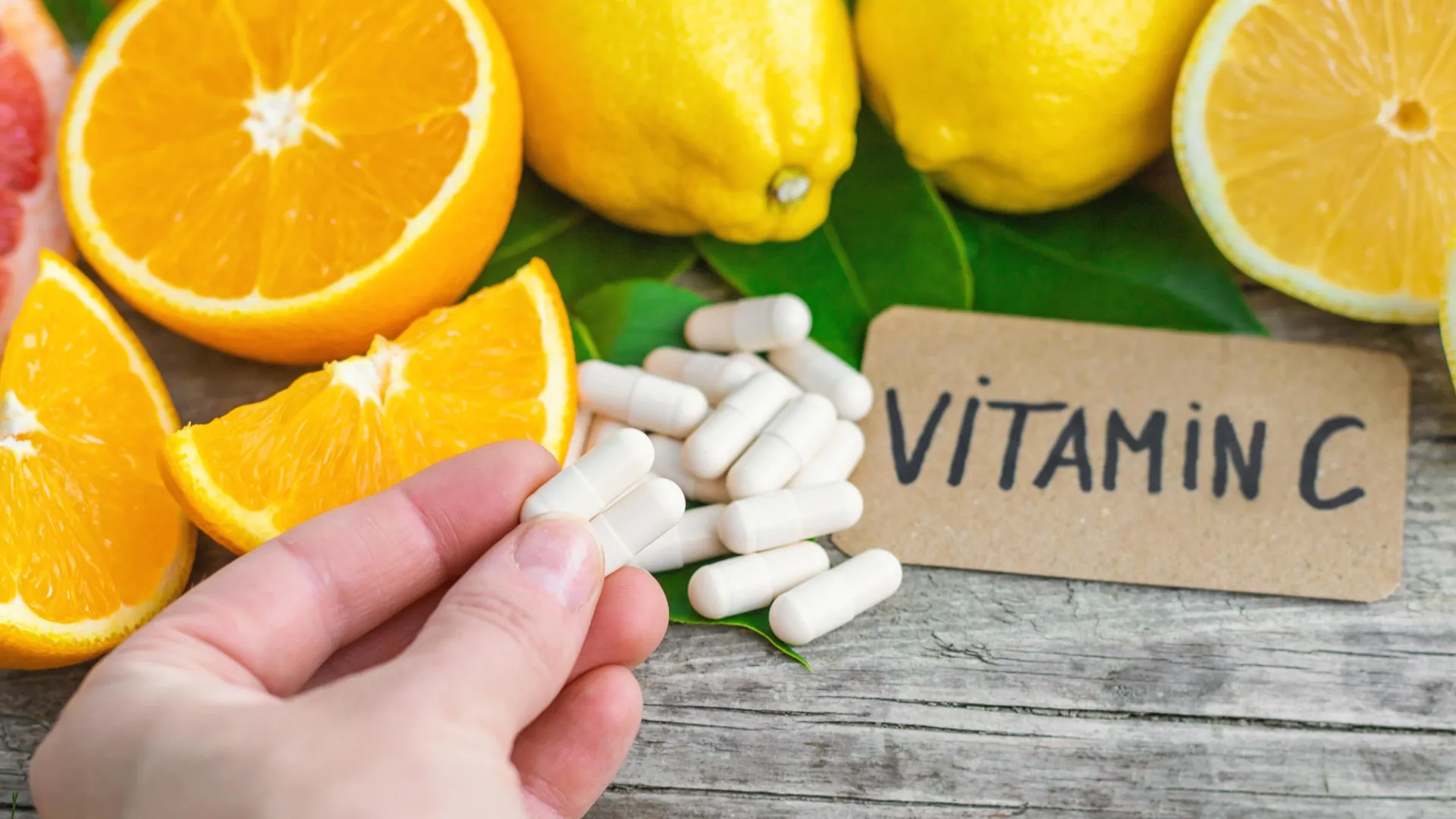
For decades, the intersection of nutrition and oncology has been fraught with ambiguity. While public health officials have long advocated for diets rich in fruits and vegetables, the precise biochemical mechanisms that shield the body from carcinogenesis—or, conversely, trigger it—have remained elusive. Now, a groundbreaking study from the University of Waterloo is shedding new light on this complex interplay, suggesting that Vitamin C may act as a potent chemical "circuit breaker" in the digestive tract, potentially neutralizing cancer-causing compounds before they can take hold.
By utilizing advanced mathematical modeling, researchers have mapped the volatile journey of nitrates and nitrites through the human body, uncovering how Vitamin C may serve as a crucial intervention against the formation of carcinogenic substances.
The Core Discovery: Disrupting the Nitrosation Pathway
The research, published in the Journal of Theoretical Biology under the title "Vitamin C as a nitrosation inhibitor: A modelling study across dietary patterns and water quality," posits that the primary key to understanding dietary cancer risk lies in the timing and chemical environment of the stomach.
At the center of the study is a process known as nitrosation. Nitrates and nitrites—compounds ubiquitous in the modern North American diet—are found in high concentrations in cured meats like bacon, salami, and ham. However, they are also present in various plant-based foods, as well as in soil and water systems impacted by agricultural runoff and industrial pollution.
While these compounds are vital for cardiovascular and neurological health in controlled amounts, they become problematic once they enter the acidic environment of the stomach. Under the right conditions, they undergo a chemical reaction that produces N-nitroso compounds, which have long been suspected of contributing to the development of gastrointestinal cancers. The University of Waterloo team’s mathematical model suggests that the presence of ascorbic acid (Vitamin C) creates a competitive chemical environment, effectively "stealing" the reactive components required for nitrosation to occur, thereby preventing the formation of harmful substances.
A Chronology of Conflict: Why Nutritional Science Often Seems Contradictory
To understand the significance of this discovery, one must look at the history of nutritional research over the last thirty years. Since the 1990s, epidemiological studies have frequently yielded conflicting data regarding nitrates.
The "Nitrate Paradox"
For years, scientists have been puzzled by an apparent contradiction: why do nitrates in processed meats seem to carry a significant cancer risk, while nitrates found in leafy greens like spinach—which are objectively high in nitrate content—are consistently associated with positive health outcomes and lower cancer risk?
The Mathematical Breakthrough
Dr. Gordon McNicol, a post-doctoral researcher in applied mathematics and the lead author of the study, believes his team has finally identified the missing variable. "Our work suggests that the presence of dietary Vitamin C may help explain these inconsistencies," McNicol noted.
By building a sophisticated simulation that accounts for the interconnected systems of the salivary glands, stomach, small intestine, and plasma, the team demonstrated that the chemical "packaging" of a food item matters as much as its nutrient profile. In leafy vegetables, the natural co-occurrence of nitrates and Vitamin C allows for a protective chemical reaction that neutralizes the threat of nitrosation before it can cause cellular damage. In processed meats, which often lack significant antioxidant content, the nitrates are left to react unchecked in the stomach.
Supporting Data: Modeling the Human Digestive System
The methodology employed by the University of Waterloo team represents a departure from traditional clinical trials, which are often hindered by the difficulty of monitoring real-time chemical reactions inside the human stomach. Instead, the researchers utilized a comprehensive mathematical model that simulated the physiological pathways of these compounds.
The Anatomy of the Model
The model tracked the transit of ingested nitrates and nitrites across several key checkpoints:
- The Oral Microbiome: The mouth acts as the first site of conversion, where bacteria reduce dietary nitrates into nitrites.
- The Gastric Environment: The model simulated varying levels of stomach acidity and the presence of gastric juices, which facilitate the conversion of nitrites into reactive nitrogen species.
- Small Intestine and Plasma Absorption: By modeling the movement of these compounds into the blood, the team was able to predict systemic exposure levels.
The "After-Meal" Hypothesis
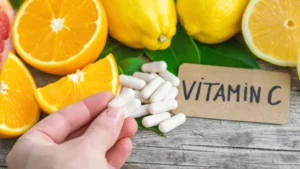
One of the most actionable findings of the study involves the timing of Vitamin C intake. The simulations suggest that consuming Vitamin C supplements shortly after a meal containing nitrates could moderately reduce the formation of nitrosation products. This provides a potential strategy for harm reduction, particularly for individuals who consume processed meats or live in areas with high nitrate levels in their drinking water.
Official Responses and Expert Perspective
The research team, led by Dr. Anita Layton—a professor of applied mathematics and a Canada 150 Research Chair—emphasizes that while the model is robust, it is a starting point rather than a clinical conclusion.
"This work provides a mechanistic roadmap for future clinical and laboratory studies," said Dr. Layton. "By identifying the key interacting drivers of these potentially harmful chemical reactions—including nitrite exposure, antioxidant intake, meal timing, gastric conditions, and oral microbiome activity—we can finally move away from broad dietary recommendations toward precision nutrition."
The academic community has received the study as a significant step forward in theoretical biology. By providing a "mechanistic roadmap," the model allows future researchers to design experiments that are far more targeted. Instead of generalized studies on whether "Vitamin C is good for you," scientists can now test specific hypotheses, such as: "Does a 500mg dose of Vitamin C consumed 15 minutes after a high-nitrite meal significantly lower urinary markers of nitrosation?"
Implications: Moving Toward Precision Nutrition
The implications of this research are broad, spanning from public health policy to individual clinical intervention.
1. Reframing Food Labeling and Dietary Guidelines
Current nutritional advice often treats all nitrates as a single category of concern. This research suggests that dietary guidelines should distinguish between "protected" nitrates (those consumed with natural antioxidants) and "unprotected" nitrates. This could eventually influence how processed food manufacturers are regulated or how they are encouraged to include antioxidants in their formulations.
2. A New Frontier for Clinical Trials
The model offers a diagnostic tool for researchers. By identifying the specific conditions—such as stomach pH and oral bacteria balance—that make an individual more prone to nitrosation, clinicians may eventually be able to identify "at-risk" populations. For example, individuals with specific microbiome profiles or those taking medications that alter gastric acidity might be identified as candidates for targeted antioxidant supplementation.
3. Addressing Environmental Factors
In regions where water quality is compromised by nitrogen-based fertilizers, the population may face a higher baseline risk of nitrate exposure. If Vitamin C can act as a shield, public health initiatives could theoretically focus on increasing antioxidant availability in these specific high-risk areas, providing a low-cost, preventative nutritional intervention.
4. The Limitations of the Simulation
It is critical to note that the study is a computational model. While mathematical simulations provide powerful insights into complex systems, they cannot fully replicate the biological complexity of the human gut, including genetic predispositions, varying gut health, and lifestyle factors. The researchers are the first to caution that further clinical trials are necessary to translate these mathematical predictions into measurable, longitudinal reductions in human cancer risk.
Conclusion: The Future of Digestive Health
The University of Waterloo study serves as a compelling reminder of the power of interdisciplinary research. By bridging the gap between applied mathematics and human biology, Dr. McNicol, Dr. Layton, and their team have unlocked a new way of visualizing the "war" occurring inside our digestive tracts during every meal.
While we are not yet at the stage where a Vitamin C supplement can be prescribed as a definitive cancer preventative, the study provides a vital new lens through which to view our diet. It moves us closer to a future where we do not just ask what we should eat, but how and when we should consume it to optimize our body’s internal chemistry.
As the scientific community begins to validate these findings through laboratory and clinical studies, we may soon find that the most effective way to combat the chemical risks of the modern diet is not just to avoid certain foods, but to thoughtfully pair them with the simple, natural, and powerful chemistry of Vitamin C. This "mechanistic roadmap" is not just a triumph of data; it is a foundation for a new, more precise era of preventative medicine.