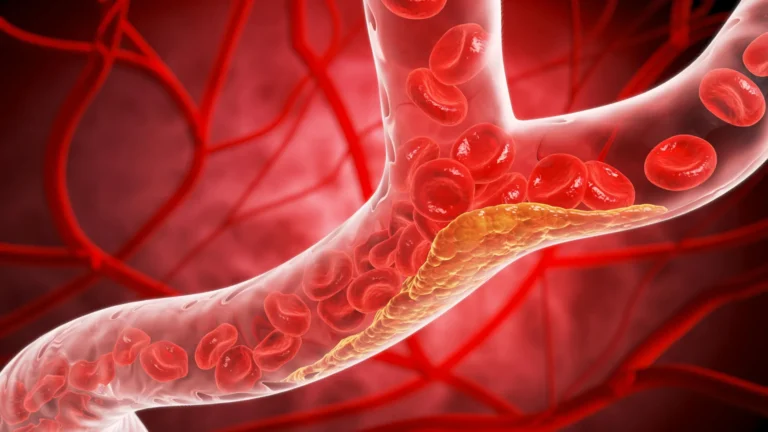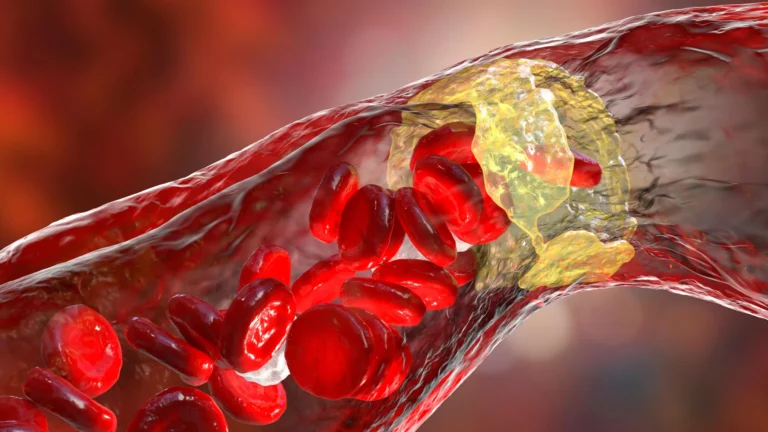







In the high-stakes world of cardiovascular medicine, the aftermath of a heart attack is often a race against time and biology. When blood flow is obstructed, cardiac tissue suffers irreversible injury, replaced by stiff, non-contractile scar tissue that gradually weakens the heart. For decades, the medical community has lacked a "repair kit" for this damage, focusing instead on stabilizing patients and preventing further degradation. However, a revolutionary breakthrough from the University of California San Diego (UCSD) is poised to change that paradigm: an injectable, blood-stream-delivered biomaterial that helps the heart heal itself from the inside out.
The Genesis of a Regenerative Breakthrough
The journey toward this innovation began with a specialized hydrogel derived from the natural scaffolding of cardiac muscle, known as the extracellular matrix (ECM). Developed by the lab of Dr. Karen Christman, a professor of bioengineering at UC San Diego, the original technology was designed to be injected directly into the heart wall via a catheter.
While the 2019 phase 1 clinical trial of this direct-injection "VentriGel" proved that the concept was safe and feasible in humans, it possessed a significant clinical drawback: the invasiveness of direct myocardial injection. Because the procedure requires a needle to penetrate the heart muscle, it cannot be administered immediately following an acute heart attack, as the tissue is too fragile and the risk of further trauma is too high.
Recognizing this limitation, Dr. Christman’s team, led by then-Ph.D. student Martin Spang, pivoted toward a more elegant solution: an intravascularly infused biomaterial. By refining the hydrogel into a nano-sized particulate, the researchers created a substance capable of traveling through the circulatory system to home in on injured tissue, effectively turning the body’s own vascular network into a delivery highway.
Chronology of Innovation: From Lab Bench to Clinical Horizon
The development of this technology represents a multi-year effort to solve complex biological engineering challenges:
- Pre-2019: Research establishes the efficacy of ECM-based hydrogels, which provide a supportive structure for cell growth and tissue repair.
- 2019: Successful phase 1 clinical trials of VentriGel (direct injection) are reported, confirming the safety of using decellularized cardiac ECM in humans.
- 2022: The Nature Biomedical Engineering study is published, unveiling the new, injectable "intravascular" version of the biomaterial.
- 2025: A follow-up study in Nature Communications utilizes advanced spatial transcriptomics and single-nucleus RNA sequencing to map the molecular mechanisms of how these biomaterials drive immune modulation and cellular repair in injured hearts.
- Present Day: The technology is currently moving toward the regulatory phase, with developers seeking FDA authorization to commence human clinical trials for the intravascular delivery method.
The Engineering Challenge: Precision at the Nanoscale
Creating a material that can survive the turbulent environment of the human bloodstream required a total rethink of the hydrogel’s physical properties. The original VentriGel, while excellent for localized injections, contained particles too large to navigate the complex, often chaotic environment of the vascular system.
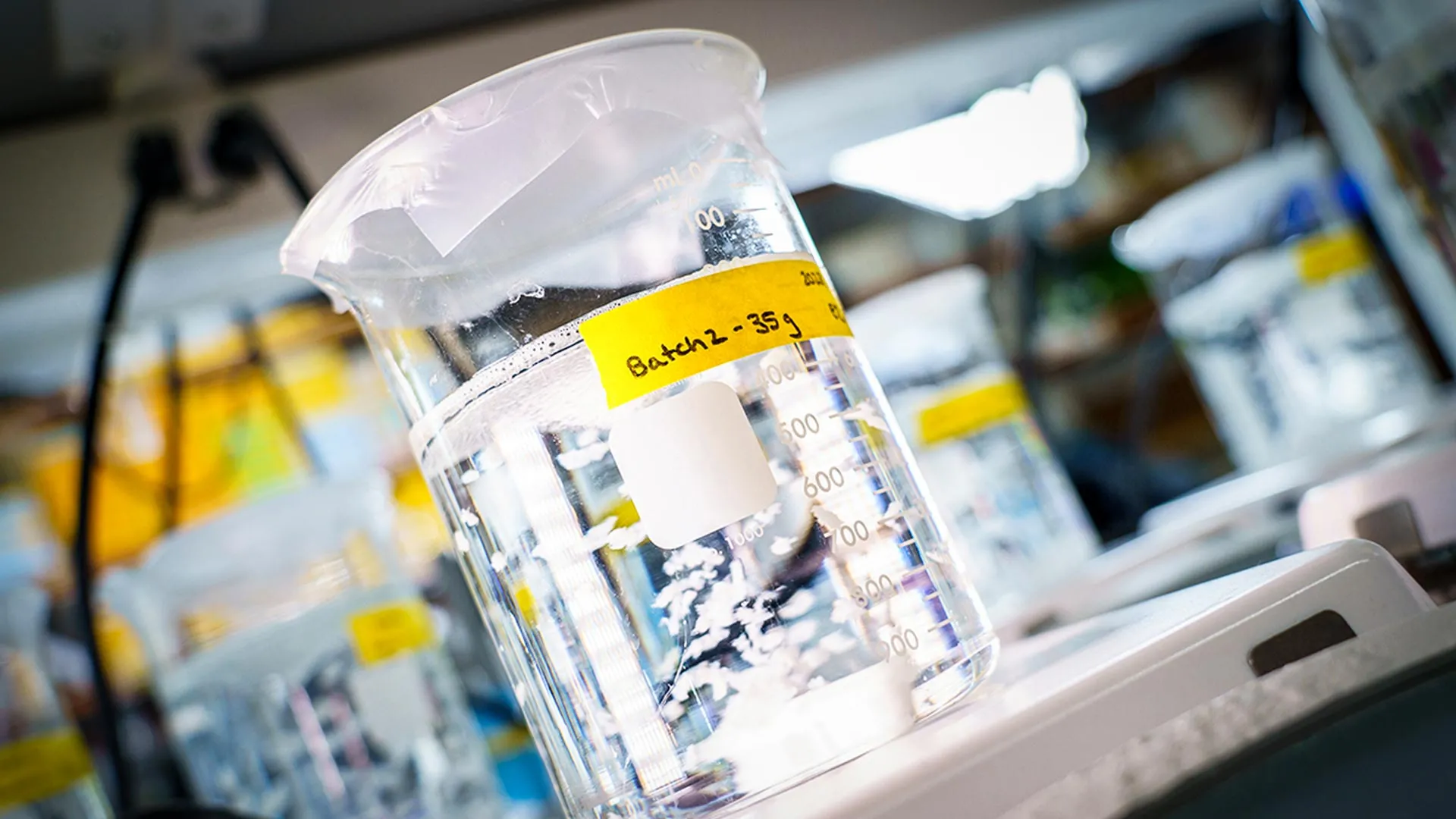
Martin Spang and his team employed a process of enzymatic digestion and fractionation to break down the ventricular myocardium into a liquid precursor. The key to the breakthrough was the use of high-speed centrifugation to isolate only the nano-sized particles. This refined material is then sterile-filtered and freeze-dried into a stable powder. When reconstituted with sterile water, it becomes an injectable solution that can be administered via a standard intravenous (IV) line or during routine cardiac procedures, such as angioplasty or stenting.
When this material reaches the site of a heart attack, it does more than just act as a scaffold. Researchers observed that the biomaterial actively binds to the "leaky" microvasculature—the damaged blood vessels that characterize the immediate post-infarct environment. By plugging these gaps and interacting with endothelial cells, the material accelerates the healing of blood vessels and significantly dampens the inflammatory response that typically exacerbates tissue death.
Supporting Data: Evidence from Animal Models
The validation of this material has been rigorous, spanning both rodent and large animal (porcine) models. In these studies, the administration of the biomaterial was associated with a suite of positive clinical markers:
- Hemodynamic Improvement: Subjects treated with the material showed reduced left ventricular volumes, a key indicator that the heart was not dilating or failing as severely as untreated counterparts.
- Wall Motion Recovery: Improved wall motion scores indicated that the cardiac muscle was better able to contract and perform its primary function.
- Molecular Rejuvenation: Genetic analysis revealed shifts in gene expression profiles associated with reduced inflammation, enhanced blood vessel development (angiogenesis), and the activation of fibroblasts to promote healthy tissue repair rather than fibrotic scarring.
- Duration of Action: The material is designed to be transient; it localizes to the site of injury, performs its regenerative function, and is largely degraded by the body within approximately three days, minimizing the risk of long-term side effects or immune rejection.
Official Responses and Clinical Perspectives
The medical community has greeted the development with cautious optimism. For interventional cardiologists, who are often limited by the tools currently available, this represents a significant shift in the standard of care.
"Coronary artery disease, acute myocardial infarction, and congestive heart failure continue to be the most burdensome public health problems affecting our society today," says Dr. Ryan R. Reeves, a physician in the UC San Diego Division of Cardiovascular Medicine. "As an interventional cardiologist, I would love to have another therapy to improve patient outcomes and reduce debilitating symptoms. This easy-to-administer therapy has the potential to play a significant role in our treatment approach."
Dr. Christman emphasizes that this is not merely an improvement on existing drugs, but an entirely new category of "regenerative engineering." By treating the tissue "from the inside out," the therapy addresses the root causes of heart failure rather than merely managing the symptoms.
Implications for Future Medicine
The scope of this technology extends far beyond the heart. Because the biomaterial relies on the universal nature of the circulatory system, it holds the potential to treat a wide array of inflammatory and ischemic conditions.
Traumatic Brain Injury (TBI)
The brain is notoriously difficult to treat due to the blood-brain barrier and the fragility of neural tissue. If the biomaterial can be tuned to cross the blood-brain barrier or navigate the injured vasculature of a TBI patient, it could provide a neuroprotective cushion that limits long-term cognitive impairment.
Pulmonary Arterial Hypertension (PAH)
PAH involves severe inflammation and remodeling of the blood vessels in the lungs. By using the bloodstream as a delivery vehicle, researchers believe they could deliver anti-inflammatory signals directly to the pulmonary endothelium, offering a potential breakthrough for a condition that is currently managed with chronic, high-cost medications.
The Role of Precision Medicine
The recent 2025 study in Nature Communications has provided a "molecular roadmap" for how these ECM therapies function. By identifying specific pathways—such as neurogenesis and lymphatic development—the researchers are moving toward a future where biomaterial therapies can be tailored to the specific cellular landscape of an individual patient’s injury.
Conclusion: The Path to the Clinic
While the results in animal models are compelling, the team acknowledges that the transition to human clinical trials is the ultimate test. Ventrix Bio, Inc., the startup co-founded by Dr. Christman, is currently advancing this technology with an eye toward FDA approval.
The promise of this therapy is not just in its regenerative capability, but in its practicality. By integrating into existing procedures like stenting, it avoids the "barrier to entry" that often plagues new, highly invasive medical technologies. If clinical trials prove successful, this biomaterial could transition from an experimental innovation to a standard, off-the-shelf treatment in hospitals worldwide.
As the medical field continues to pivot toward regenerative solutions, the work at UC San Diego stands as a testament to the power of interdisciplinary science. By bridging the gap between mechanical engineering and cellular biology, researchers are finally giving the heart the tools it needs to repair the damage that was once considered permanent. For the hundreds of thousands of patients suffering from heart disease each year, this injectable, blood-stream-delivered hope could not arrive soon enough.