







In a landmark shift for cardiovascular medicine, researchers from Mass General Brigham have unveiled clinical trial data that could fundamentally rewrite the playbook for heart disease prevention. A subgroup analysis of the VESALIUS-CV randomized trial, presented at the American College of Cardiology’s Annual Scientific Session & Expo and published simultaneously in the Journal of the American Medical Association (JAMA), indicates that the cholesterol-lowering drug evolocumab significantly reduces the risk of a first major cardiovascular event in high-risk diabetic patients who have not yet developed clinical atherosclerosis.
For decades, aggressive cholesterol-lowering therapies have been largely reserved for patients who have already suffered a heart attack or stroke, or who have been diagnosed with advanced arterial plaque buildup. The findings from this study suggest that waiting for the appearance of disease may be a missed opportunity, advocating instead for a more proactive, pharmacological approach to managing cardiovascular risk in vulnerable populations.
The Evolution of Cardiovascular Strategy
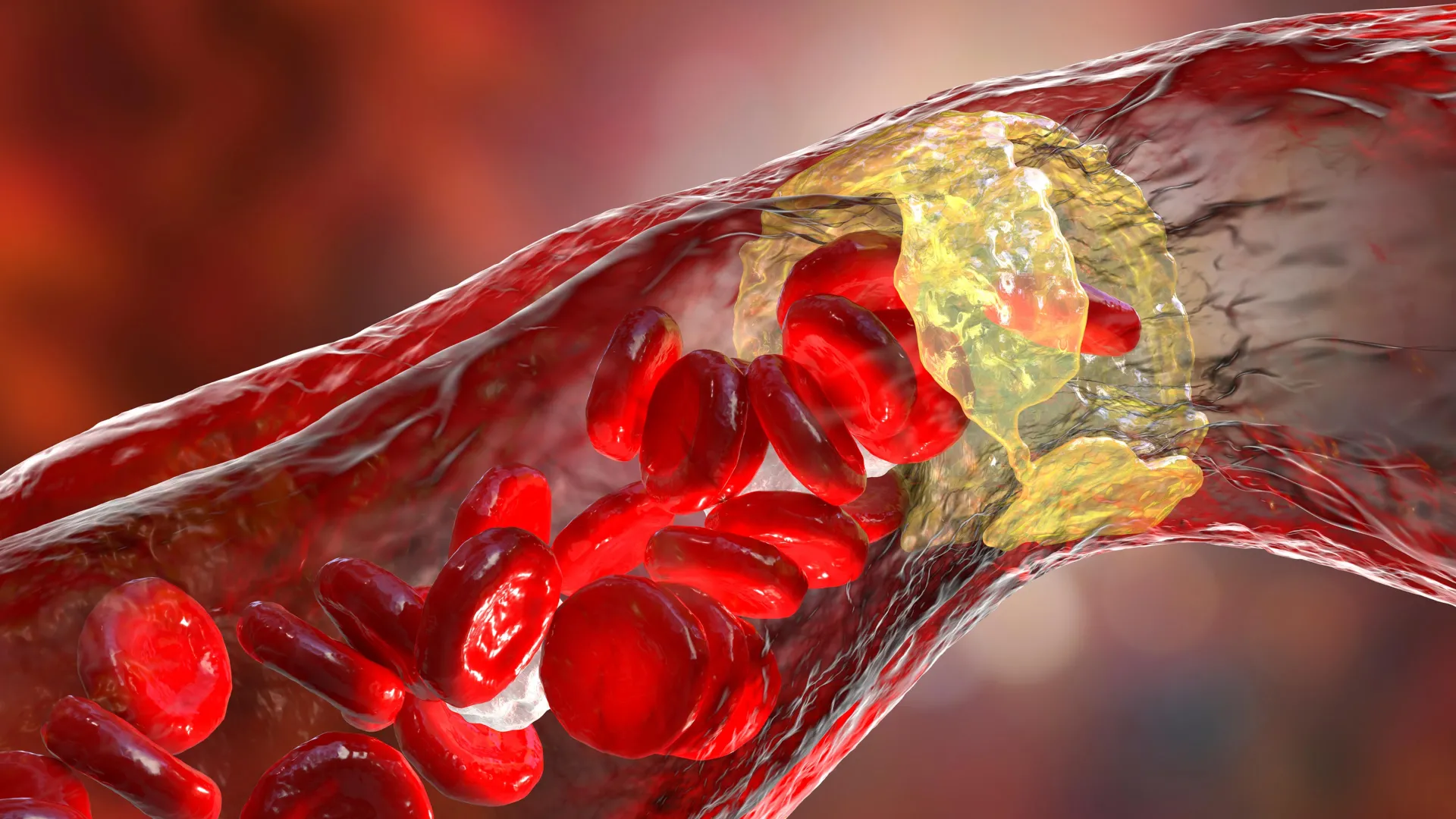
Cardiovascular disease remains the leading cause of mortality globally, representing a staggering burden on both individual health and healthcare systems. The primary driver of this pathology is the accumulation of low-density lipoprotein cholesterol (LDL-C)—often termed "bad cholesterol"—which deposits in arterial walls, leading to the formation of plaque and the subsequent risk of rupture or blockage.
The current standard of care for high-risk individuals without overt atherosclerosis typically involves the use of statins, which are effective at lowering cholesterol but often insufficient to reach the optimal, ultra-low levels required for maximum protection. Evolocumab, a monoclonal antibody belonging to a class of drugs known as PCSK9 inhibitors, works by blocking a protein that prevents the liver from removing LDL-C from the bloodstream. By inhibiting this protein, the drug can reduce LDL-C levels by as much as 60%.
The VESALIUS-CV study sought to determine if this intensive cholesterol reduction—when added to traditional statin therapy—could prevent the onset of cardiovascular events in patients with high-risk diabetes who were, by all clinical measures, still "healthy" regarding their heart structure.
Chronology of the VESALIUS-CV Study
The path to these findings involved a rigorous, multi-year international effort. The study recruited 3,655 participants, all of whom presented with high-risk diabetes. Researchers defined "high-risk" as patients who had lived with diabetes for at least a decade, required daily insulin therapy, or exhibited evidence of diabetes-related microvascular damage (such as kidney or eye complications).
- Study Enrollment: Participants were screened for high-risk criteria, ensuring a cohort that was predisposed to future cardiovascular issues despite lacking current, significant atherosclerotic plaque.
- The Intervention: Participants were randomized to receive either subcutaneous injections of evolocumab every two weeks or a placebo. Crucially, both groups were maintained on standard-of-care background therapy, which included statins and, in many cases, ezetimibe, to ensure that the study tested the added benefit of the PCSK9 inhibitor.
- The 48-Week Benchmark: Researchers assessed the impact on lipid profiles early in the study. By the 48-week mark, the data showed a dramatic separation between the groups.
- Five-Year Follow-up: The study tracked participants for nearly five years to observe the clinical outcomes, focusing on the occurrence of the first major cardiovascular event, defined as death from coronary heart disease, myocardial infarction (heart attack), or ischemic stroke.
Supporting Data: A Dramatic Reduction in Risk
The data generated by the trial provides compelling evidence for the efficacy of early intervention. By the end of the 48-week observation period, the median LDL-C levels in the evolocumab group had plummeted to 52 mg/dL, compared to 111 mg/dL in the placebo group. This represents a roughly 51% reduction in bad cholesterol, highlighting the potent mechanism of the PCSK9 inhibitor.
Over the course of the five-year follow-up, this biochemical change translated into tangible clinical protection. Participants who received evolocumab experienced a 31% lower risk of their first major cardiovascular event compared to those in the placebo group. In absolute terms, the impact was clear: at the five-year mark, only 5% of patients in the evolocumab group had suffered a major event, compared to 7.1% in the placebo group.
Furthermore, the safety profile of the drug was a point of significant interest. Because the treatment involves long-term use of an injectable medication, researchers closely monitored for adverse effects. The study reported that serious side effects occurred at similar rates in both the treatment and placebo arms, suggesting that the intensive lowering of LDL-C with evolocumab is both effective and generally well-tolerated in this high-risk demographic.
Official Perspectives: Shifting the Paradigm
The corresponding author of the study, Dr. Nicholas A. Marston, a cardiologist at the Mass General Brigham Heart and Vascular Institute, emphasized the gravity of these findings during the presentation.
"For over a decade, intensive cholesterol-lowering therapies have been reserved for patients who already have established cardiovascular disease," Dr. Marston stated. "These results demonstrate the benefit of intensive cholesterol lowering earlier and should change how we think about the prevention of heart attacks, strokes, and heart disease in patients without known significant atherosclerosis."
The implication is that the "wait and see" approach—where clinicians wait for evidence of plaque buildup before escalating to more potent therapies—may be inherently flawed for diabetic patients. By the time atherosclerosis is detectable, the damage to the vascular system may be difficult to reverse. Proactive management, according to the researchers, could act as a shield, preventing the underlying physiological processes that lead to heart attacks long before the first symptoms appear.
Clinical and Global Implications
The results of the VESALIUS-CV trial carry profound implications for clinical practice and public health policy. If these findings are adopted into standard guidelines, millions of high-risk patients worldwide could become candidates for more aggressive lipid-lowering therapy earlier in their treatment journey.
1. Reclassifying "High Risk"
The study provides a clear definition of what constitutes a "high-risk" diabetic patient who stands to gain the most from intensive therapy. By targeting those with long-duration diabetes or microvascular involvement, clinicians can prioritize resources for the patients most likely to suffer a catastrophic event.
2. The Future of Preventive Cardiology
While this study focused specifically on high-risk diabetics, the research team notes that the broader medical community must now investigate whether these benefits extend to other high-risk cohorts who also lack established atherosclerosis. This could include individuals with chronic kidney disease, hypertension, or elevated systemic inflammation.
3. Economic and Healthcare Resource Allocation
While PCSK9 inhibitors are more expensive than traditional statins, the cost-benefit analysis may shift if it is proven that they can prevent the first "index" cardiovascular event. The cost of treating a heart attack, including hospitalizations, cardiac procedures, and long-term rehabilitation, is immense. Preventing these events before they happen could represent a significant long-term saving for the healthcare system, despite the upfront cost of the medication.
Funding and Disclosure Considerations
It is important to note the financial structure of the study. The VESALIUS-CV trial was funded by Amgen Inc., the manufacturer of evolocumab. Several authors and investigators associated with the trial hold professional ties to the company, serving as consultants, recipients of research grants, or employees.
Specifically, the TIMI Study Group, which led much of the analysis, reports grant support from Amgen and other pharmaceutical entities. While the trial was conducted with rigorous academic oversight and peer-reviewed by JAMA, the involvement of the manufacturer is a standard component of large-scale clinical research that readers should consider when evaluating the findings. Despite these disclosures, the clinical data remains a significant contribution to the field, providing a clear statistical look at the potential for life-saving preventive care.
Conclusion
The Mass General Brigham study offers a glimpse into a future where cardiovascular disease is managed with greater foresight. By demonstrating that evolocumab can provide a 31% reduction in the risk of first-time heart attacks and strokes in high-risk diabetic patients, researchers have challenged the status quo. As the medical community reviews these findings, the conversation will likely shift from "how do we treat heart disease?" to "how can we stop it from ever beginning?" For the millions of individuals living with diabetes, this research offers a new, promising pathway toward a healthier, more resilient heart.