







In a significant move that reshapes its research and development pipeline, Agios Pharmaceuticals has officially terminated the development of tebapivat, an oral small molecule candidate intended for the treatment of sickle cell disease (SCD). The decision follows disappointing mid-stage clinical data that indicated the drug failed to demonstrate the necessary differentiation from existing therapies—most notably, another Agios-owned asset currently undergoing regulatory review.
This development marks yet another hurdle in the turbulent clinical landscape for sickle cell disease, a field that has seen a series of high-profile setbacks and regulatory volatility over the past two years.
Main Facts: Why Tebapivat Was Shelved
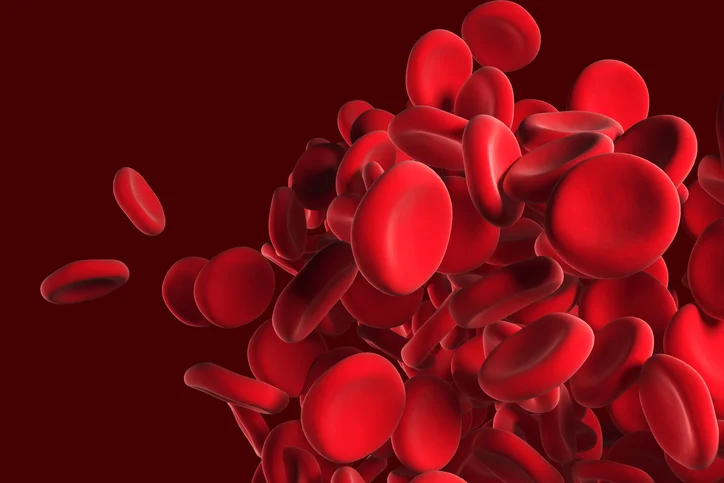
Tebapivat was designed to bind to and activate pyruvate kinase-R (PKR), an enzyme found in red blood cells. By activating this enzyme, researchers aimed to inhibit the pathological process that causes hemoglobin to adopt the rigid, crescent shape characteristic of sickle cell disease.
Despite a strong biological rationale and preliminary Phase 2 data showing some improvement in hemoglobin levels and a reduction in red blood cell destruction, the program ultimately failed to clear the company’s internal benchmarks for clinical viability. Specifically, the trial results were not dose-dependent, and the efficacy signals were insufficient to distinguish tebapivat from the current standard of care or emerging competitors.
With the discontinuation of this program, Agios is shifting its full focus toward the regulatory approval and potential commercialization of its foundational drug, mitapivat (marketed as Pyrukynd and Aqvesme in other indications), which is currently under FDA review for the treatment of sickle cell disease.
Chronology: A Timeline of Setbacks and Shifts
The landscape for sickle cell disease research has been marked by a series of dramatic shifts since 2024. Understanding the context of the tebapivat decision requires looking back at recent industry movements:
- 2024 (Market Withdrawal): Pfizer voluntarily withdrew its sickle cell therapy, Oxbryta, from the global market following post-marketing studies that signaled an increased risk of severe complications and patient mortality. This sent shockwaves through the rare disease community.
- August 2025: A separate Pfizer candidate aimed at treating vaso-occlusive crises (VOCs) in sickle cell patients failed its pivotal Phase 3 study, further narrowing the field of viable treatments.
- December 2025: The FDA approved Aqvesme (mitapivat) for the treatment of anemia in adult patients with alpha- or beta-thalassemia, reinforcing the clinical potential of the PKR-activation platform.
- April 2026: Novo Nordisk reported positive Phase 3 results for etavopivat, a PKR-activator that met its co-primary endpoints in the HIBISCUS trial, demonstrating a substantial reduction in vaso-occlusive crises.
- June 2026: Fulcrum Therapeutics abruptly halted the development of its SCD candidate, pociredir, following an FDA mandate based on concerns that the entire class of PRC2 inhibitors possessed a potential carcinogenic risk.
- July 2026: Agios Pharmaceuticals announces the termination of tebapivat, citing a lack of differentiation from both the existing Pyrukynd data and the competitive results seen with Novo Nordisk’s etavopivat.
Supporting Data: The Competitive Landscape
The failure of tebapivat is not merely a clinical disappointment; it is a strategic calculation regarding market positioning. In the rare disease space, the "bar" for new therapies is set by existing efficacy profiles.
The PKR Activator Arms Race
The primary challenge for tebapivat was the existence of other PKR activators. Mitapivat, the anchor of the Agios portfolio, has already proven its efficacy in treating PK deficiency and thalassemia. While tebapivat was intended to provide the convenience of once-daily dosing—a potential "quality of life" advantage over the twice-daily regimen of Pyrukynd—it failed to provide a meaningful clinical advantage in the Phase 2 data.
Furthermore, Novo Nordisk’s etavopivat has established a high bar. With Phase 3 data in hand that successfully demonstrated a reduction in the debilitating vaso-occlusive crises that define the patient experience in sickle cell disease, any new entry into the market must offer either superior efficacy or a significantly safer profile. Tebapivat, having failed to show dose-dependency, could not justify the cost and risk of entering a crowded late-stage clinical trial environment against such established benchmarks.
Official Responses and Internal Strategy
The decision to discontinue tebapivat was not taken lightly, but it has been framed by Agios leadership as a way to sharpen the company’s focus.

"We remain focused on mitapivat, our foundational PK activator, which is under FDA Priority Review in sickle cell disease with an expected U.S. approval later this year," said Sarah Gheuens, Chief Medical Officer and Head of R&D at Agios. "We look forward to bringing this first-in-class medicine to the sickle cell community and building on the extensive clinical experience generated to date as we work to address the significant unmet need in this debilitating disease."
The company’s messaging emphasizes the "foundational" nature of mitapivat. By moving resources away from the experimental tebapivat, Agios is effectively consolidating its commercial muscle behind a drug that has already navigated the regulatory gauntlet for two other indications, thereby reducing its overall operational risk profile.
Analyst Perspectives
Market observers have largely reacted with caution but not surprise. Leerink Partners analyst Andrew Berens noted that the company’s financial models for Agios did not rely heavily on tebapivat’s success. However, Berens acknowledged that tebapivat was the company’s best opportunity to compete directly with Novo Nordisk on dosing convenience. With this option off the table, the burden of proof now rests entirely on the commercial launch and execution of mitapivat, should it receive FDA approval in November.
Implications: What This Means for the SCD Community
The cancellation of tebapivat reflects a broader maturation—and at times, a contraction—of the sickle cell disease research pipeline.
1. The High Cost of Failure
The series of failures across the industry, from Pfizer’s withdrawal to Fulcrum’s safety-related shutdown, suggests that the FDA is maintaining a high threshold for safety and efficacy in sickle cell treatments. For patients, this means that while the pipeline is shrinking, the drugs that do make it to market are subjected to intense scrutiny, potentially ensuring a higher standard of care for those who receive them.
2. The Focus on "First-in-Class"
Agios’s pivot highlights a reality in modern biopharma: the "me-too" drug strategy—creating a slightly more convenient version of an existing successful molecule—is becoming increasingly difficult to justify. Unless a new molecule provides a quantum leap in efficacy, payers and regulators are increasingly favoring proven, established therapies.
3. A Critical Q4 for Agios
All eyes are now on November 1, 2026. This is the PDUFA date for the FDA’s decision on whether to approve mitapivat for sickle cell disease. If approved, Agios will have a validated, "first-in-class" treatment on the market for a third major indication. If the application faces delays or rejections, the company will find itself in a precarious position, having shuttered its alternative pipeline asset.
4. The Patient Experience
For the sickle cell community, the news is a mixed bag. While the loss of a potential once-daily treatment option is a disappointment, the continued development of mitapivat offers a glimmer of hope. The focus now shifts toward whether the healthcare system can effectively support the rollout of these complex, specialized therapies, and whether the clinical benefits seen in trials will translate into the real-world reduction of the pain and complications that define sickle cell disease.
Conclusion
The discontinuation of tebapivat serves as a sobering reminder of the complexities inherent in drug development for hemoglobinopathies. By choosing to abandon a non-differentiated asset, Agios Pharmaceuticals is attempting to streamline its path to market for its primary product. As the industry moves toward November’s regulatory milestone, the sickle cell disease community remains in a state of cautious optimism, waiting to see if this new, targeted approach to treatment will finally provide the relief that millions of patients so desperately need.