








Main Facts: A Nutritional Key to Cognitive Longevity
A groundbreaking study published on June 10, 2026, in the open-access journal PLOS One has provided compelling new evidence that the nutrients we consume may play a direct role in the physical architecture of the aging brain. Led by Haruka Nagaya of Hirosaki University in Japan, the research team identified a significant correlation between plasma vitamin C levels and the structural integrity of the brain in a cohort of over 2,000 older adults.
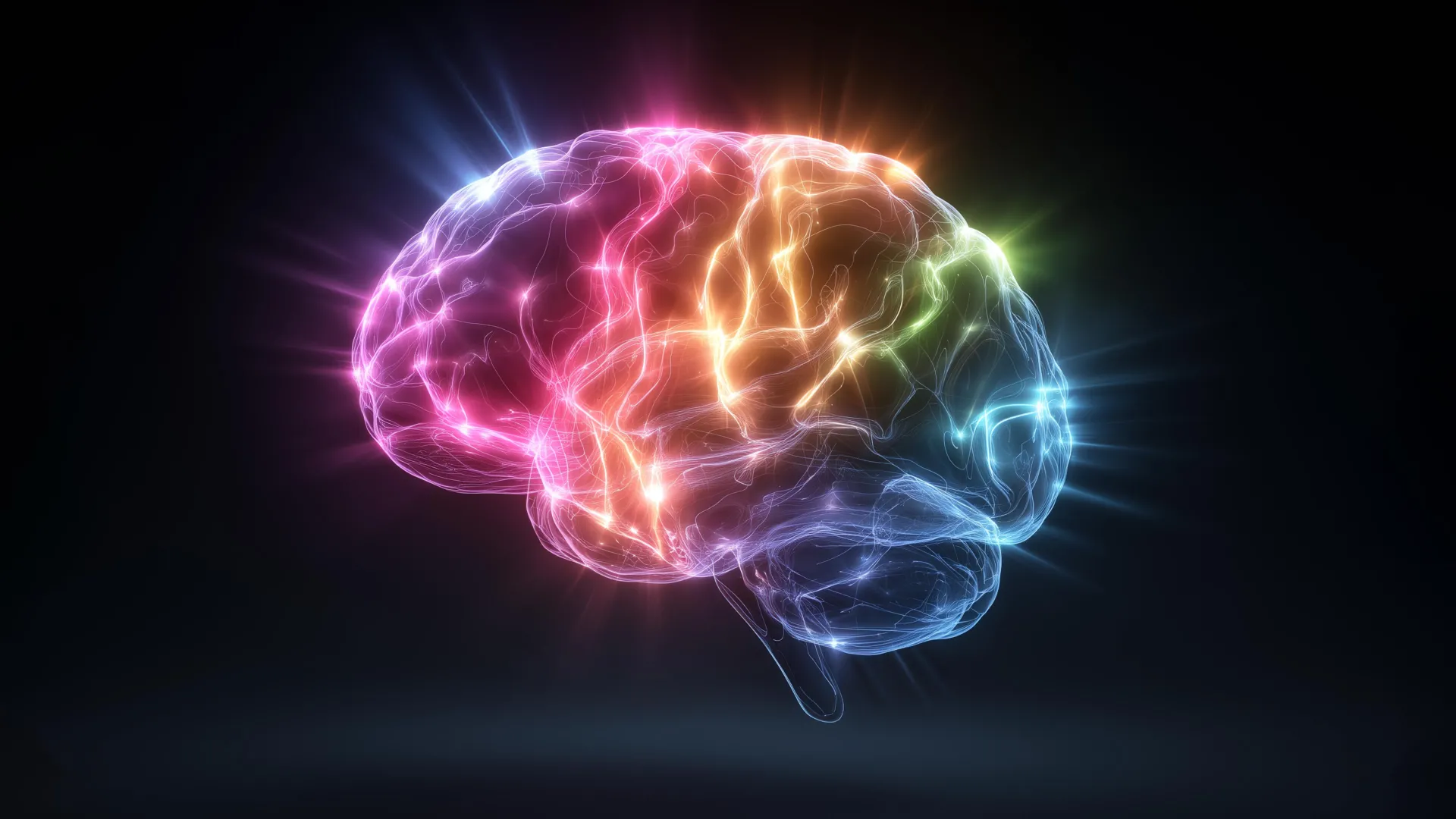
The study indicates that individuals with lower levels of vitamin C in their blood exhibit a decrease in gray matter volume and diminished connectivity within the "default mode network" (DMN)—a critical cluster of brain regions responsible for attention, episodic memory, and internal reflection. While the study serves as an observational baseline rather than a definitive clinical trial, the data suggests that maintaining adequate vitamin C levels through a balanced diet may be a modifiable factor in mitigating the structural decline typically associated with aging.
Chronology: Unpacking the Research Journey
The investigation into the relationship between vitamin C and neurological health did not occur in a vacuum. For decades, the scientific community has hypothesized that oxidative stress plays a primary role in cognitive decline. Because vitamin C acts as a potent antioxidant, it has long been a subject of interest in nutritional neuroscience.
The Path to Discovery
- Early Hypotheses: Previous observational studies suggested a link between high vitamin C intake—typically through fruit and vegetable consumption—and reduced rates of cognitive impairment. However, these studies often relied on self-reported dietary questionnaires, which are prone to recall bias.
- Refining the Methodology: Dr. Nagaya and her team sought to move beyond surveys by utilizing objective, biological markers. By measuring vitamin C directly in blood plasma and coupling these results with high-resolution magnetic resonance imaging (MRI), the researchers created a more rigorous framework for analysis.
- Data Collection: The study spanned several years, gathering clinical data from 2,044 Japanese adults over the age of 64. The team meticulously controlled for variables such as age, socioeconomic status, education, and physical activity levels to isolate the influence of nutritional status.
- The June 2026 Publication: The final synthesis of the data, published in PLOS One, solidified the findings, marking a significant step forward in our understanding of how systemic nutrition correlates with specific neuroanatomical outcomes.
Supporting Data: Inside the MRI Scans
The methodology employed by the Hirosaki University team provides a sophisticated look at the "hidden" geography of the brain. To understand why vitamin C might influence cognitive health, one must understand what the researchers were observing: the DMN and gray matter volume.
Analyzing Gray and White Matter
Gray matter is essentially the brain’s "processing center," containing the neuronal cell bodies, while white matter acts as the "cables" that connect these centers. The study found that lower plasma vitamin C was consistently associated with a reduction in gray matter volume. This is significant because the loss of gray matter is a hallmark of neurodegenerative processes.
The Default Mode Network (DMN)
Perhaps more critical than general volume is the connectivity of the DMN. The DMN is active when the brain is at rest—engaged in daydreaming, contemplating the future, or recalling past experiences. When this network loses its internal "connectivity"—the ability of different regions to communicate effectively—cognitive efficiency drops. The study demonstrated that higher vitamin C levels were associated with better preserved structural connectivity within this network, suggesting that the nutrient may help protect the "communication highways" of the brain.
Controlling for Confounding Factors
One of the most robust aspects of this research is the statistical adjustment performed by the authors. By accounting for age, education, and physical activity, the researchers ensured that the observed correlations weren’t merely a byproduct of a generally healthy lifestyle. Even after these adjustments, the link between vitamin C and brain structure remained statistically significant, reinforcing the hypothesis that vitamin C specifically contributes to neuroprotection.
Official Responses and Expert Perspective
The scientific community has reacted with cautious optimism. Dr. Tomohiro Shintaku, a co-author of the study, expressed enthusiasm for the implications of these findings.
"Our study demonstrates that higher plasma vitamin C levels are associated with better preserved structural connectivity of the default mode network," Dr. Shintaku noted in a recent briefing. "This finding generates the exciting hypothesis that a diet rich in vitamin C might play a supportive role in maintaining brain health and mitigating age-related cognitive decline in older adults."
Dr. Shintaku also highlighted the sheer scale of the cohort as a major strength of the study. "What I found most fascinating about this research is that we were able to detect these subtle but significant associations between a single nutritional factor and large-scale brain networks by utilizing a robust, community-based cohort of over 2,000 older adults. It truly highlights the potential impact of our everyday dietary habits on our brain structures."
The study was supported by the Japan Agency for Medical Research and Development (AMED), with additional support from KAGOME CO., LTD. The researchers were careful to specify that the funding source had no role in the study design or the final conclusions, maintaining the independence of the scientific inquiry.
Implications for Public Health and Future Research
The findings from this study raise important questions about how we approach aging in a rapidly graying global population. If vitamin C can indeed help preserve brain structure, it represents a low-cost, accessible intervention that could reduce the global burden of cognitive decline.
The Need for Causality
Despite the positive findings, the researchers are the first to emphasize that this study is observational. It establishes a correlation, not a direct cause-and-effect relationship. It is possible, for instance, that individuals with healthier brains are more likely to have the executive function necessary to maintain a healthy diet. To bridge this gap, future research must include:
- Longitudinal Tracking: Measuring vitamin C levels and cognitive function repeatedly over several years to observe the trajectory of change within the same individuals.
- Interventional Trials: Randomized, controlled trials that introduce vitamin C supplementation to see if it results in measurable improvements in MRI-detected brain health.
- Diverse Demographics: While the Japanese cohort provided high-quality data, future studies must include participants from a wider range of ethnic, socioeconomic, and dietary backgrounds to ensure the findings are globally applicable.
Dietary Habits as Preventative Medicine
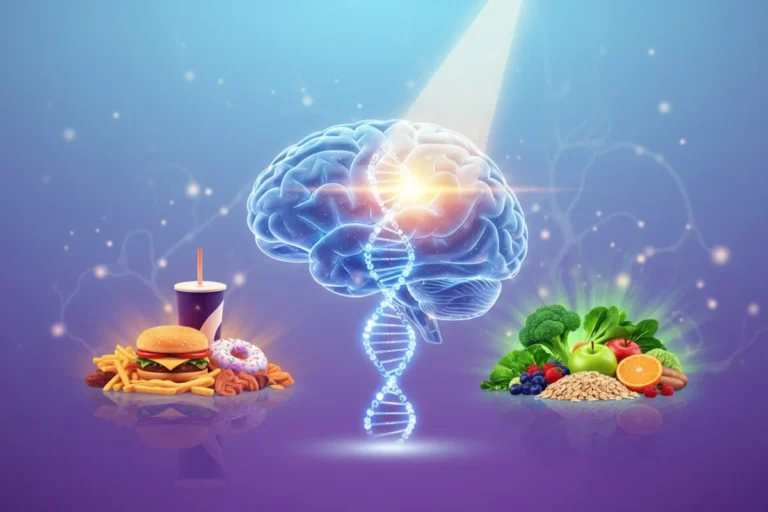
This research serves as a reminder that the brain is a metabolic organ. Just as cardiovascular health is influenced by dietary intake, neurological health is increasingly viewed through the lens of nutritional science. By focusing on nutrient-dense diets—rich in fruits, vegetables, and other sources of antioxidants—older adults may have a viable strategy to "future-proof" their cognitive health.
As the scientific community continues to explore the mechanisms behind this association, the message for the public remains clear: nutritional habits are not just about maintaining physical weight or energy levels; they are fundamental to the architecture of the mind itself. Future studies will likely delve into whether specific forms of vitamin C intake—such as whole foods versus supplements—provide different levels of neuroprotection, further refining the guidance for healthy aging.
Conclusion
The study led by Haruka Nagaya provides a significant piece of the puzzle regarding how diet influences brain health. By linking vitamin C levels to the physical structure of the DMN and gray matter volume, researchers have opened a new pathway for investigating how nutritional interventions can support long-term cognitive vitality. As we move toward a future where neurodegenerative diseases remain a major public health challenge, evidence-based nutritional strategies will likely become an essential pillar of geriatric medicine.