











By Science & Health News Desk
February 4, 2026
A landmark long-term study published in Neurology Open Access, a journal of the American Academy of Neurology, suggests that adopting a Mediterranean-style diet could be a powerful tool in the fight against one of the world’s most debilitating health conditions: stroke.
Following over 100,000 women for more than two decades, researchers have identified a compelling association between high adherence to Mediterranean eating patterns and a significantly lower risk of experiencing both ischemic and hemorrhagic strokes. While the study stops short of claiming a direct causal link, the findings add substantial weight to the growing body of evidence suggesting that dietary choices play a critical role in cerebrovascular health.
The Core Findings: A Dietary Shield Against Stroke
The research, which tracked 105,614 women with an average age of 53 at the study’s inception, found that those who most closely adhered to the Mediterranean diet were 18% less likely to suffer a stroke of any kind compared to those with the lowest adherence.
Perhaps most notably, the protective benefits were not limited to the most common form of the disease. While ischemic strokes—caused by blockages in blood flow to the brain—remain the most frequent, the study found a 16% lower risk for this type among high-adherence participants. Even more striking was the 25% reduction in the risk of hemorrhagic strokes, which involve the rupture of a blood vessel in the brain. Hemorrhagic strokes are notoriously difficult to treat and often carry higher mortality rates, making the potential for dietary prevention a significant public health revelation.
Defining the Mediterranean Pattern
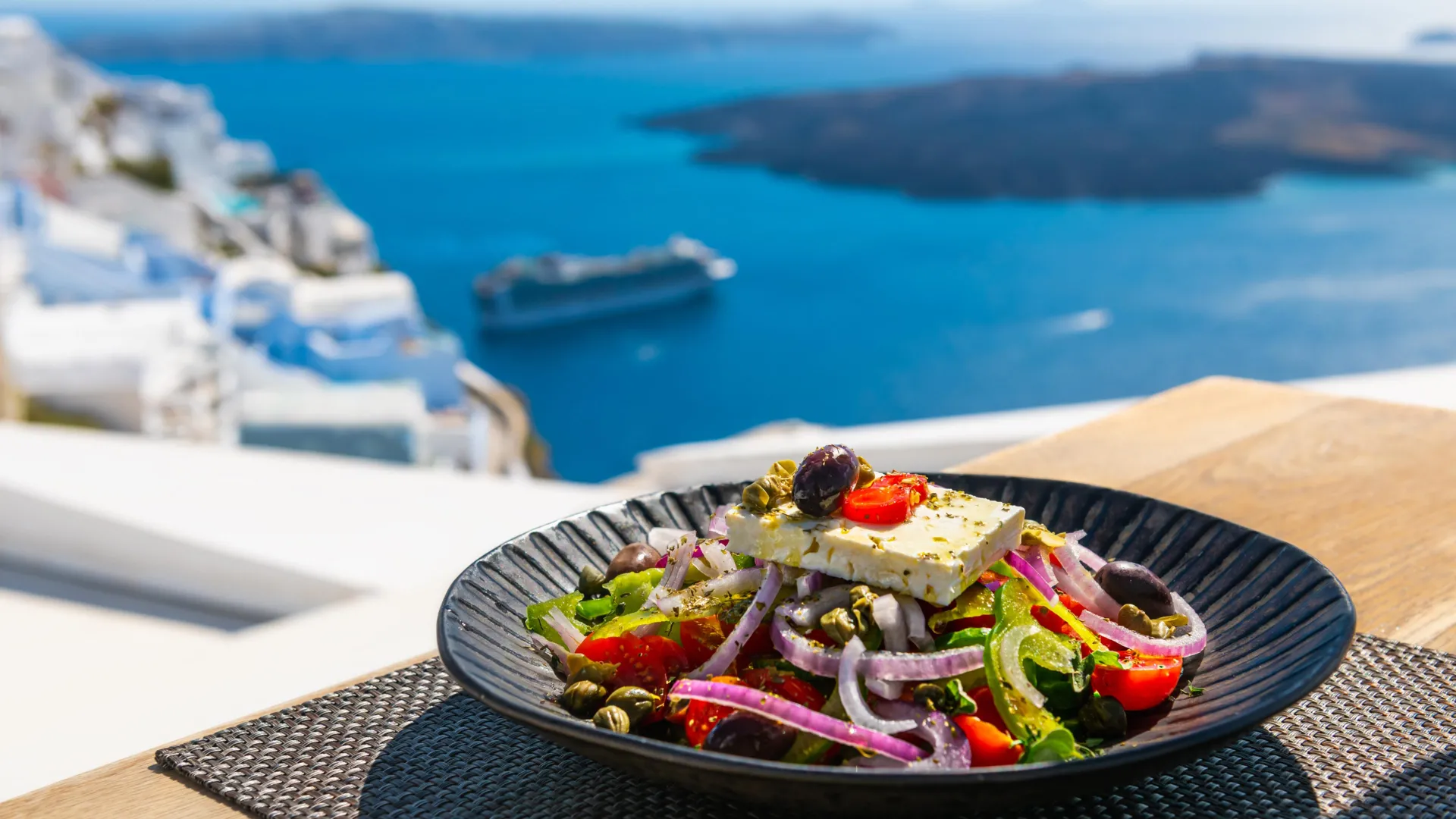
The Mediterranean diet is more than just a list of foods; it is a nutritional philosophy that emphasizes whole, nutrient-dense ingredients over processed items. At its core, the diet focuses on:
- Plant-Forward Staples: High consumption of vegetables, fruits, and legumes, which provide essential vitamins, minerals, and fiber.
- Healthy Fats: Replacing saturated fats—often found in butter and processed meats—with monounsaturated fats, primarily derived from olive oil.
- Lean Protein: Prioritizing fish as a primary protein source.
- Moderation: Limiting the intake of dairy products and red meat, which are often sources of saturated fatty acids known to negatively impact cardiovascular health.
By prioritizing these food groups, the diet naturally reduces systemic inflammation and improves blood pressure regulation, both of which are critical factors in maintaining clear, healthy blood vessels throughout the body, including the brain.
Chronology of the Research: Two Decades of Observation
The study’s credibility is anchored in its impressive scale and duration. Beginning with 105,614 participants who had no prior history of stroke, researchers established a baseline for each woman’s health and dietary habits.
Initial Assessment
At the start of the study, every participant completed a comprehensive questionnaire regarding their eating habits. Researchers utilized this data to create a "Mediterranean diet score" ranging from zero to nine. Participants earned points for consuming higher-than-average amounts of whole grains, fruits, vegetables, legumes, fish, and olive oil, as well as for moderate alcohol consumption. Conversely, they were penalized for high consumption of red meat and dairy.
The Long-Term Follow-Up
Researchers monitored the cohort for an average of 21 years. During this two-decade period, the health status of the participants was tracked meticulously, resulting in the recording of 4,083 total strokes. Of these, 3,358 were identified as ischemic and 725 as hemorrhagic.
The data revealed a clear trend: the women in the highest scoring group (scoring six to nine) experienced significantly fewer stroke events than those in the lowest scoring group (zero to two). Among the top-tier group, there were 1,058 ischemic strokes, compared to 395 in the bottom group. For hemorrhagic events, the divide was 211 cases in the top group versus 91 in the bottom, reinforcing the potential for broad-spectrum protection.
Statistical Rigor and Controlling for Variables
One of the most important aspects of this research was the adjustment for confounding factors. In medical research, dietary patterns are often intertwined with lifestyle choices. To isolate the effects of the diet, researchers adjusted the data to account for variables such as:
- Smoking status: A known major risk factor for vascular disease.
- Physical activity: Exercise levels that independently contribute to heart and brain health.
- High blood pressure (Hypertension): The single most significant risk factor for stroke.
Even after these adjustments were made, the statistical correlation remained significant. The 18% reduction in overall stroke risk suggests that the diet provides a unique benefit that persists even when other healthy behaviors are considered.
Perspectives from the Research Team
Dr. Sophia S. Wang, the study’s lead author and a researcher at the City of Hope Comprehensive Cancer Center in Duarte, California, expressed optimism regarding the findings.
"Our findings support the mounting evidence that a healthy diet is critical to stroke prevention," Dr. Wang noted in a press statement. "We were especially interested to see that this finding applies to hemorrhagic stroke, as few large studies have looked at this type of stroke. Stroke is a leading cause of death and disability, so it’s exciting to think that improving our diets could lessen our risk for this devastating disease."
Dr. Wang emphasized that while the findings are robust, they are just the beginning of a larger conversation. She noted that further research is essential to pinpoint the exact biological mechanisms—such as changes in the microbiome, reduction of arterial plaque, or improvements in blood vessel elasticity—that drive these positive outcomes.
Implications for Public Health and Future Research
The implications of this study are far-reaching. As global populations age, the prevalence of stroke is projected to rise, placing an immense burden on healthcare systems. A dietary intervention, which is both accessible and cost-effective, offers a scalable way to reduce this burden.
Addressing Study Limitations
While the results are compelling, the research team was transparent about the study’s limitations. The primary data source was self-reported dietary questionnaires. Human memory is fallible, and participants may have inadvertently misremembered or inaccurately reported their food intake. Furthermore, self-reporting can sometimes be influenced by "social desirability bias," where participants report eating healthier than they actually do.
Despite these limitations, the massive sample size and the long-term follow-up period help to buffer the impact of individual reporting errors, providing a high level of confidence in the overall trend observed by the researchers.
The Path Forward
The next phase of research, funded by the National Institute of Neurological Diseases and Stroke, will likely focus on:
- Clinical Trials: Moving from observational studies to controlled trials where participants are assigned specific dietary interventions to observe real-time physiological changes.
- Diverse Populations: Extending this research to men and younger demographics to determine if the protective effects of the Mediterranean diet are universal across age and gender.
- Biological Markers: Identifying the specific biomarkers in the blood that change when someone adopts a Mediterranean diet, which could help clinicians better predict stroke risk in individual patients.
Conclusion: A Proactive Approach to Brain Health
The findings published in Neurology Open Access serve as a powerful reminder that the "medicine" we take daily is often found on our plates. By moving away from highly processed, meat-heavy diets and toward the whole-food, plant-based patterns of the Mediterranean region, women may be able to significantly lower their risk of one of the most life-altering medical events.
As Dr. Wang and her team continue their work, the public health message remains clear: while we cannot control every risk factor for disease, the consistent, long-term choice to prioritize nutrient-dense, heart-healthy foods remains one of the most effective ways to invest in long-term brain health and longevity.