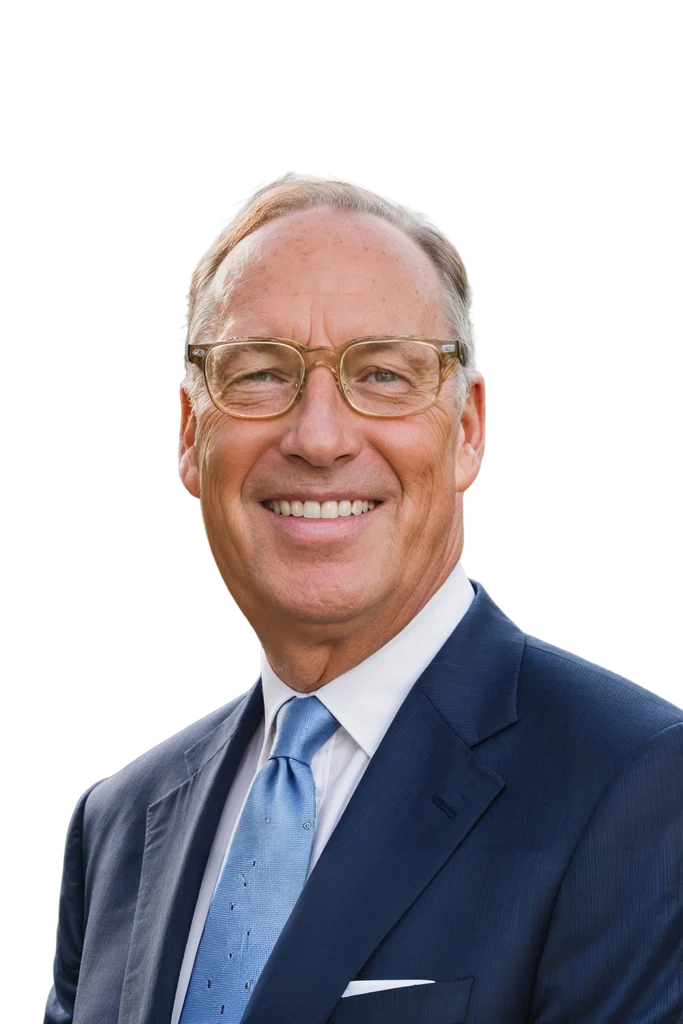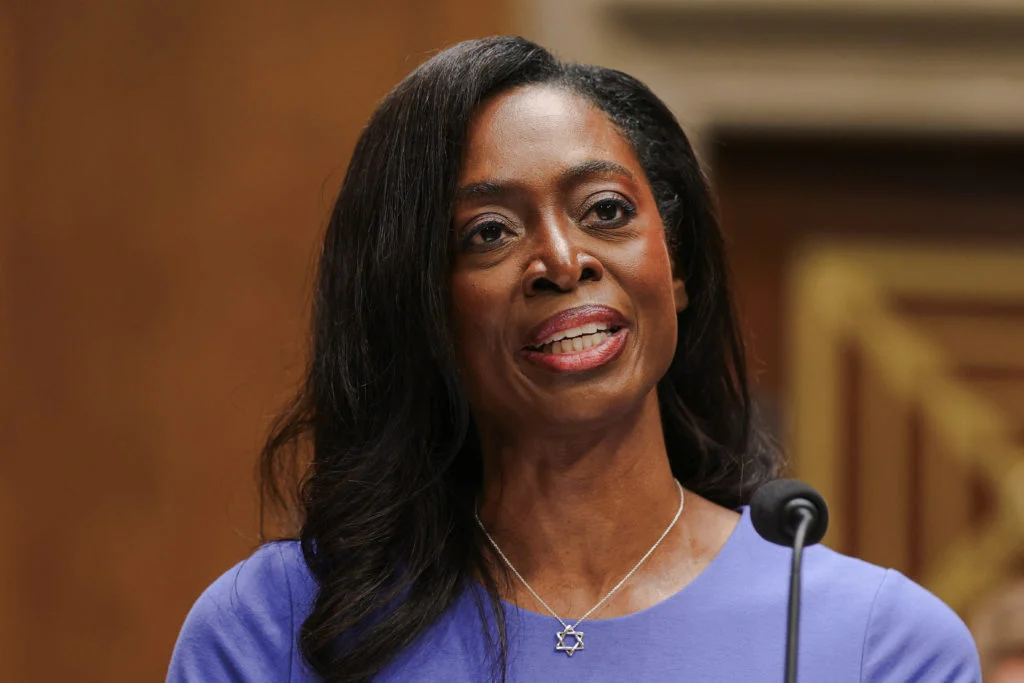
The Centers for Disease Control and Prevention (CDC), long regarded as the gold standard of global public health, finds itself at a precarious crossroads. On Wednesday, the Senate Health Committee convened a high-stakes confirmation hearing for Dr. Erica Schwartz, the latest nominee tapped by the Trump administration to steer the beleaguered agency. As lawmakers pressed for assurances regarding the independence of the CDC from political influence, the proceedings highlighted a deepening rift between career scientists and a political apparatus determined to reshape the nation’s health infrastructure.
The Nominee’s Pledge vs. Legislative Skepticism
Dr. Erica Schwartz, a 54-year-old physician with an extensive background in uniformed service, faced a barrage of questions regarding her willingness to defend scientific integrity against the encroaching influence of the Department of Health and Human Services (HHS). Currently, the agency is under the leadership of Secretary Robert F. Kennedy Jr., a figure whose long-standing skepticism toward established vaccine protocols has sent shockwaves through the medical establishment.
During her testimony, Dr. Schwartz attempted to strike a conciliatory tone. "I will never betray the science," she stated, emphasizing a commitment to "radical transparency" as a primary mechanism to restore public trust. Her resume—which includes a significant tenure in the U.S. Coast Guard overseeing 41 clinics and 150 sick bays—was presented by the White House as evidence of her operational capability and leadership.
However, senators remained unconvinced that a change in leadership alone could insulate the CDC from the administration’s ideological agenda. When pressed on how she would handle direct orders from Secretary Kennedy—specifically regarding policies that contradict settled medical consensus—Schwartz repeatedly declined to dissent. Her refusal to commit to resisting political interference drew immediate frustration from both sides of the aisle, particularly when she dodged questions about specific actions taken by the agency under Kennedy’s direction.
A Chronology of Institutional Instability
The current uncertainty at the CDC is not an isolated event; it is the culmination of a chaotic year that has seen the agency’s workforce decimated and its leadership rendered effectively temporary.
- Early 2025: Following a change in administration, the CDC experienced an exodus of talent. Over 3,000 employees—more than 25% of the total workforce—departed via resignation or layoffs.
- March 2025: The administration’s initial nominee, former Congressman Dr. David Weldon, saw his confirmation hearing canceled just one hour before it was slated to begin due to a lack of support in the Senate.
- April 2025: Dr. Susan Monarez was confirmed as CDC director but was terminated by the administration less than a month later, with officials citing a lack of "alignment" with the executive agenda.
- Mid-2025 to Present: The agency has been governed by a revolving door of acting directors, including most recently the director of the National Institutes of Health (NIH), Dr. Jay Bhattacharya.
This pattern of instability has left the CDC’s "front office" populated by political appointees who, according to critics, lack the requisite background in epidemiology or public health. The result, according to Dr. David Margolius, director of Cleveland’s health department, is an agency that has lost its authoritative voice. "Basically, everybody’s got to choose their own adventure," Margolius remarked, noting that local health departments are no longer receiving the clear, unified guidance they once relied upon during national emergencies.
The Shadow of the HHS Secretary
The central tension of the hearing was the looming influence of Robert F. Kennedy Jr. Although Kennedy pledged during his own confirmation process not to dismantle the national vaccination schedule, his tenure has been marked by attempts to fundamentally rewrite guidelines for pediatric immunizations—efforts that were only halted by federal judicial intervention.
The concern among lawmakers is that the CDC is being steered away from its core mission of infectious disease prevention and toward a policy framework informed by vaccine hesitancy. During Wednesday’s hearing, Senator Maggie Hassan (D-NH) confronted Dr. Schwartz with internal agency emails documenting a directive from Secretary Kennedy to suppress the promotion of a flu vaccination campaign during a particularly lethal flu season.
When asked if she would defy such an order, Dr. Schwartz responded, "Senator, I don’t speak in hypotheticals." Hassan countered sharply, "It isn’t hypothetical. It happened." This exchange served to underscore the fears of public health advocates who believe the CDC’s scientific independence has been compromised.
Data and Disillusionment: The Erosion of Trust
The political infighting has taken a measurable toll on the agency’s standing with the American public. Recent polling data indicates that only half of U.S. adults now trust the CDC’s public health recommendations—a significant decline from the agency’s historic reputation as a bastion of objective data.
This erosion of trust is exacerbated by the agency’s internal messaging. Critics point to the continued presence of a webpage on the CDC site that suggests a potential link between childhood vaccines and autism, despite a total lack of supporting evidence in the broader medical community. When asked if she would remove the page, Dr. Schwartz claimed she had not seen it, though she acknowledged that current medical evidence does not support such a connection.
Furthermore, the agency’s mission has faced what some describe as "mission creep." Schwartz argued that the CDC has attempted to be "all things to all people," yet she simultaneously signaled a willingness to divert agency resources toward peripheral inquiries, such as investigating the health impacts of AI data centers—a request made by Republican senators—further fueling concerns that the agency is being pulled away from its primary mandate of protecting the population from preventable health threats.
Implications for Emergency Preparedness
The hearing also included testimony from Sean Kaufman, the nominee for Assistant Secretary for Preparedness and Response (ASPR). The role of the ASPR is critical, as it oversees the logistics of disaster response and the development of next-generation medical countermeasures.
Kaufman’s nomination has been met with significant alarm by the infectious disease community. His past social media activity, which includes expressions of open hostility toward the CDC and advocacy for those who refused COVID-19 vaccines, has led many to question his suitability for a role that requires a belief in the necessity of large-scale public health interventions.
Of particular concern is the administration’s decision to cancel $500 million in projects dedicated to mRNA vaccine technology. While Kaufman claimed during the hearing that he supports the technology, he insisted on the need to "study the work done so far," a stance that Senator John Hickenlooper (D-CO) warned could cripple the nation’s ability to pivot during the next pandemic. "These evaluations are the responsibility of other federal offices," Hickenlooper noted, suggesting that such delays represent a dangerous bottleneck in emergency preparedness.
A Path Forward or a Permanent Shift?
As Dr. Schwartz prepares for a potential confirmation vote, the implications for the future of American public health are profound. If confirmed, she will inherit an agency defined by plummeting morale, a skeletal workforce, and a mandate that appears increasingly subservient to political, rather than clinical, priorities.
For the scientific community, the question is no longer whether the CDC will be influenced by the executive branch, but whether the agency can survive such intense politicization. As the nation faces ongoing challenges from emerging infectious diseases and potential future pandemics, the loss of an authoritative, science-driven federal health lead may have consequences that last for generations. The "choppy waters" described by Dr. Margolius show no signs of calming, leaving the CDC, and the public it serves, in a state of sustained vulnerability.