










For decades, medical professionals have focused on the "usual suspects" of cardiovascular health: high cholesterol, hypertension, smoking, and sedentary behavior. However, a landmark study involving nearly half a million adults has unveiled a more insidious culprit operating in the shadows of our daily lives. Chronic inflammation—a persistent, low-level activation of the immune system—is now being identified as a primary mechanism through which the stresses of modern existence, socioeconomic inequality, and psychological distress manifest as permanent, structural damage to the human heart.
The study, led by researchers at the MRC Laboratory of Medical Sciences (LMS) and Imperial College London, represents the largest investigation of its kind. By synthesizing deep-level genetic data, advanced cardiac imaging, and long-term blood marker analysis, the research provides a stark warning: the damage to our hearts often begins years, if not decades, before the first clinical symptom ever appears.
The Anatomy of a Silent Crisis: Core Findings
At the heart of this research is the realization that the cardiovascular system is not merely a pump governed by diet and exercise, but a biological mirror reflecting our external environment.
The Mechanism of Chronic Inflammation
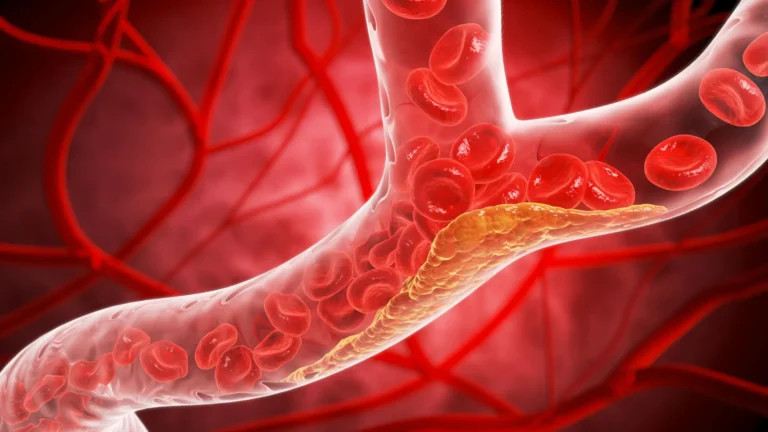
Typically, inflammation is a vital, short-term survival mechanism; the immune system rallies to heal wounds or fight off acute infections. Once the threat is neutralized, the system is designed to "switch off." However, when this system remains mildly activated for long periods—a state of chronic inflammation—it ceases to be a healer and becomes a destroyer.
Researchers identified this state using a specific blood marker known as glycoprotein acetyls (GlycA). By monitoring GlycA, the team was able to map how sustained immune activity correlates with the physical remodeling of the heart. The results were consistent: individuals with higher levels of systemic inflammation exhibited thicker heart walls, reduced chamber volume, and diminished filling capacity. These structural shifts are the precursors to heart failure, often progressing silently while the patient remains entirely unaware.
The 43% Threshold
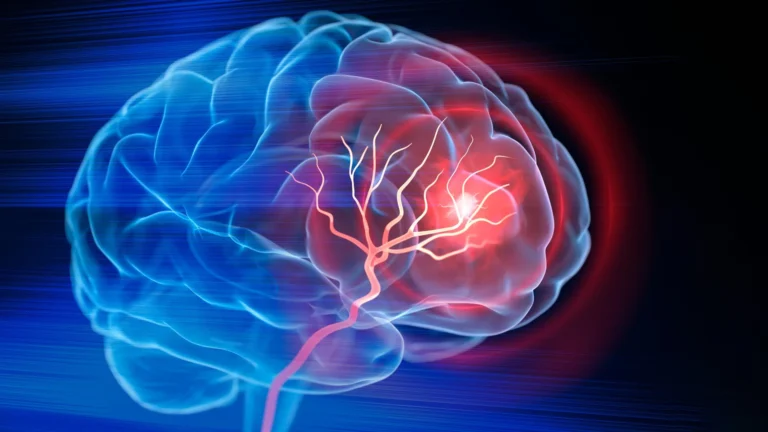
The statistical correlation between inflammation and major cardiac events is alarming. When comparing the top 20% of participants with the highest inflammation levels to the bottom 20%, the risk of heart attack and stroke spiked by 43%. This elevated risk persisted even in patients who showed no previous history of heart disease, suggesting that chronic inflammation is an independent and potent driver of cardiovascular mortality.
A Chronology of Discovery: From Biobank Data to Clinical Insight
The scale of this research was made possible by the UK Biobank, a massive repository of genetic and health information. The path to these findings involved a multi-stage analytical process:
- Data Integration: The research team parsed data from nearly 480,000 individuals, cross-referencing GlycA blood markers with high-resolution cardiac imaging and genomic sequences.
- Mapping Socioeconomic Impact: By layering socioeconomic data over physiological findings, the researchers identified a clear pattern: individuals living under the pressures of poverty, housing instability, and chronic psychological stress were significantly more likely to possess elevated GlycA markers.
- Identifying Genetic Susceptibility: The study acknowledged that not all people react to stress in the same way. The research highlighted a genetic component, suggesting that some individuals are biologically more resilient, while others are predisposed to "inflammatory damage" when faced with identical lifestyle or socioeconomic triggers.
- Targeting Proteins: Through this analysis, the team isolated specific inflammatory proteins within the interleukin-1 and TNF families as the likely conduits for this damage, providing a potential roadmap for future pharmaceutical intervention.
The Societal Burden: Mental Health and Economic Inequality
Perhaps the most profound takeaway from the study is the blurring of the line between "lifestyle" and "biology." Professor Declan O’Regan, Chair of Cardiovascular AI at Imperial College London, emphasized that cardiovascular risk is not distributed equally across society.
"Millions of people could be living with hidden inflammation, which is slowly changing their heart and causing long-term damage," says Professor O’Regan. "Chronic inflammation is complicated, but we know it’s tied to our health and driven by a range of lifestyle and economic factors—meaning people may be at more risk just because of their surroundings, their economic status, their family’s health, and their lifestyle."
The study effectively moves the conversation of heart health out of the gym and the kitchen and into the realm of public policy. If poverty and mental health are biological triggers for heart disease, then addressing these systemic issues is, in effect, a form of preventative cardiology.
Official Perspectives: The Path Forward
The medical community has greeted the study with a mix of gravity and optimism, noting that the identification of specific inflammatory proteins provides a new "window of opportunity" for treatment.
Insights from the British Heart Foundation
Professor Bryan Williams, Chief Scientific and Medical Officer at the British Heart Foundation, underscored the dual nature of inflammation. "Inflammation is part of the body’s healing process, but there is also a darker side to it," he stated. Williams noted that the study’s identification of specific inflammatory proteins offers a target for therapeutic development. "Several of these proteins are already being targeted by drugs being tested in clinical trials. That raises the possibility that anti-inflammatory therapies could eventually help prevent cardiovascular disease before symptoms begin."
The Potential for Clinical Screening
The research proposes a future where standard physicals include more than just cholesterol and blood pressure checks. By combining blood tests for inflammatory markers like GlycA with personalized genetic risk scores, clinicians could identify "at-risk" patients years before they suffer a catastrophic event. This early detection could allow for the use of anti-inflammatory medications or targeted lifestyle interventions, fundamentally changing the prognosis for millions.
Broader Implications: Redefining Cardiovascular Health
The implications of this research are transformative, affecting how we view medical history, patient screening, and societal health.
Moving Beyond "Healthy Choices"
While the study reinforces the importance of traditional advice—reducing smoking, managing obesity, and increasing physical activity—it also offers a message of liberation for those who feel burdened by factors beyond their control. Genetic susceptibility and difficult life circumstances are significant, but they do not make heart disease an inevitable fate.
The Need for Systemic Change
If the biological link between poverty and heart disease is as strong as the data suggests, the public health response must be equally robust. Improving access to mental health resources, addressing economic instability, and reducing environmental stressors are no longer just social goals; they are, in the strictest sense, medical imperatives.
Future Research and Treatment
The identification of the interleukin-1 and TNF protein families as key players marks a new frontier. Pharmaceutical companies and academic researchers are now better positioned to develop treatments that "quiet" the immune system without suppressing its ability to defend against acute infection. This targeted approach could be the key to preventing the "silent" remodeling of the heart that currently leads to millions of cases of heart failure worldwide.
Conclusion: A Call to Vigilance
The study from the MRC Laboratory of Medical Sciences and Imperial College London serves as a sobering reminder that the body does not compartmentalize the stresses of our lives. The pressures we face—whether they manifest as financial anxiety, chronic isolation, or the physical toll of an unhealthy environment—are processed biologically.
For the individual, the takeaway is clear: heart health is a lifelong endeavor that requires attention to one’s mental and environmental well-being just as much as one’s diet. For policymakers, the challenge is even greater: to recognize that a healthy society is the ultimate foundation for a healthy heart. As we stand on the cusp of a new era of inflammatory-targeted medicine, we are finally beginning to see the "silent" damage for what it is—and more importantly, we are learning how to stop it before the damage is done.
This research was made possible through the funding of the Medical Research Council and the British Heart Foundation, with additional support from the NIHR Imperial Biomedical Research Centre, a partnership between Imperial College Healthcare NHS Trust and Imperial College London.