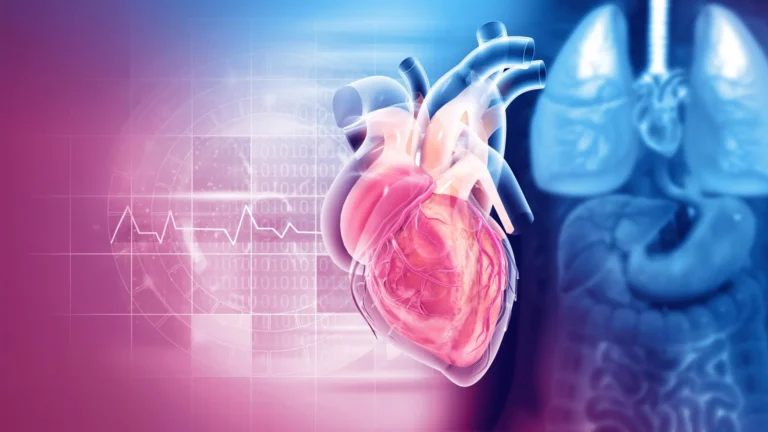
For decades, the medical community has focused on the "usual suspects" of cardiovascular health: cholesterol levels, blood pressure, and smoking habits. However, a landmark study involving nearly half a million adults has unveiled a more insidious culprit, one that operates in the shadows of our daily lives. Chronic, low-level inflammation—often fueled by the pressures of socioeconomic disadvantage, mental distress, and modern lifestyle choices—is physically remodeling the human heart, significantly increasing the risk of heart attack and stroke.
This research, conducted by scientists at the MRC Laboratory of Medical Sciences (LMS) and Imperial College London, represents the largest investigation of its kind. By integrating blood markers, high-resolution cardiac imaging, and genetic data from the UK Biobank, researchers have identified a biological pathway through which the "wear and tear" of daily life is etched into the very structure of our cardiovascular system.
The Silent Architect: Understanding Chronic Inflammation
The human immune system is designed to be an emergency response unit. Under normal circumstances, inflammation is a protective mechanism—a short-term burst of activity intended to heal wounds or fight off infections. Once the threat is neutralized, the system is designed to "switch off."
However, modern life has introduced a phenomenon known as chronic, low-grade inflammation. In this state, the immune system remains mildly, but persistently, activated. It is a state of constant, low-level alert that never fully recedes. While the body may not show acute symptoms, this prolonged immune activity is increasingly recognized as a systemic disruptor, linked to a range of chronic conditions including cancer, diabetes, and, as this new study confirms, severe cardiovascular degradation.
Chronology of a Silent Epidemic
The progression of this damage is particularly alarming because of its invisibility. According to the research team, the structural changes to the heart—such as the thickening of heart walls and the shrinking of chambers—begin years, if not decades, before a patient experiences any clinical symptoms.
The Path of Progression:
- Exposure: The process begins with exposure to persistent stressors, which may include socioeconomic hardship, psychological distress, chronic smoking, or obesity.
- Immune Activation: These external factors trigger the immune system, resulting in the continuous release of inflammatory proteins, specifically those within the interleukin-1 and TNF families.
- Structural Remodeling: As the heart is bathed in these inflammatory signals, the physical architecture begins to change. The heart walls thicken, chambers decrease in size, and the heart’s ability to fill with blood becomes impaired.
- Clinical Silence: During this phase, the patient remains largely asymptomatic. They may feel "fine," unaware that their heart is undergoing a physical transformation that limits its efficiency.
- The Event: Eventually, the cumulative damage reaches a threshold. This manifests as a major cardiac event—a heart attack or stroke—often catching the patient completely off guard.
Supporting Data: Quantifying the Risk
The scale of the study provides a robust statistical foundation for these findings. By analyzing data from 480,000 participants, researchers were able to correlate specific blood markers—specifically glycoprotein acetyls (GlycA)—with long-term health outcomes.
The 43% Threshold
The study found a stark divide between those with the highest levels of inflammation and those with the lowest. Individuals in the top 20% for GlycA levels faced a 43% higher risk of suffering a heart attack or stroke compared to those in the bottom 20%. This increased risk held true even when adjusting for other variables, indicating that inflammation is an independent and potent driver of cardiovascular disease.
Genetic Resilience vs. Susceptibility
Perhaps the most nuanced finding in the report is the role of genetics. The researchers noted that while environmental and social factors drive inflammation, individual genetic profiles dictate how a person responds to that inflammation. Some individuals appear to possess a natural, genetic "resilience" that protects their cardiovascular tissue from the damage caused by inflammatory triggers, while others are inherently more susceptible to the same stressors. This realization shifts the paradigm from a "one-size-fits-all" approach to cardiovascular prevention toward a more personalized, precision-medicine strategy.
Official Responses and Expert Insights
The study has sent a ripple through the medical community, prompting calls for a re-evaluation of how we screen for heart disease.
Professor Declan O’Regan, British Heart Foundation Chair of Cardiovascular AI at Imperial College London and Head of the Computational Cardiac Imaging Group at the LMS, believes this discovery is a watershed moment.
"Our study suggests that millions of people could be living with hidden inflammation, which is slowly changing their heart and causing long-term damage," said Professor O’Regan. "Chronic inflammation is complicated, but we know it’s tied to our health and driven by a range of lifestyle and economic factors—meaning people may be at more risk just because of their surroundings, their economic status, their family’s health, and their lifestyle."
Addressing the clinical potential, Professor Bryan Williams, Chief Scientific and Medical Officer at the British Heart Foundation, emphasized the need for a shift in strategy. "Inflammation is part of the body’s healing process, but there is also a darker side to it," Williams stated. "It is to be hoped that anti-inflammatory medicines could become an important tool in preventing cardiovascular disease."
The researchers pointed out that several inflammatory proteins—specifically those in the interleukin-1 and TNF families—are already being targeted by pharmaceutical agents currently in clinical trials. If successful, these drugs could offer a way to "cool down" the immune system before it causes permanent structural damage to the heart.
Societal and Clinical Implications
The implications of this research extend far beyond the doctor’s office and into the realm of public policy. If socioeconomic status and mental health are direct contributors to the biological pathways that destroy the heart, then cardiovascular health must be viewed through a broader, societal lens.
Redefining Prevention
Currently, medical screening for heart disease relies heavily on cholesterol and blood pressure monitoring. The researchers argue that integrating inflammation blood tests with genetic risk scores could revolutionize early intervention. By identifying individuals with high inflammatory markers early, clinicians could intervene before structural heart remodeling becomes irreversible.
Tackling Health Inequalities
The findings serve as a stark reminder that health is not merely a product of individual choices, but of the environment in which we live. Poverty, chronic stress, and lack of access to healthy environments create a "biological tax" on the heart. Addressing these disparities is not just a social imperative but a medical one. As Professor O’Regan noted, while tackling systemic health inequalities is a massive challenge, individuals can still take tangible steps—such as smoking cessation and managing obesity—to mitigate their personal risk.
The Future of Cardiac Care
The ability to identify "hidden" inflammation offers a new frontier in preventative cardiology. As clinical trials continue to investigate the efficacy of anti-inflammatory drugs, the medical community is moving toward a future where a simple blood test might predict a heart attack years before it happens.
This study provides a clear, evidence-based roadmap for this transition. It reminds us that the heart does not exist in a vacuum; it is a sensitive, responsive organ that records the history of our lives. By understanding the link between our external world and our internal biology, we can begin to build a defense against the silent changes that threaten our longevity.
The research was funded by the Medical Research Council and the British Heart Foundation, with additional support from the NIHR Imperial Biomedical Research Centre, underscoring the collaborative effort required to translate these complex findings into real-world clinical practices that could save millions of lives.