











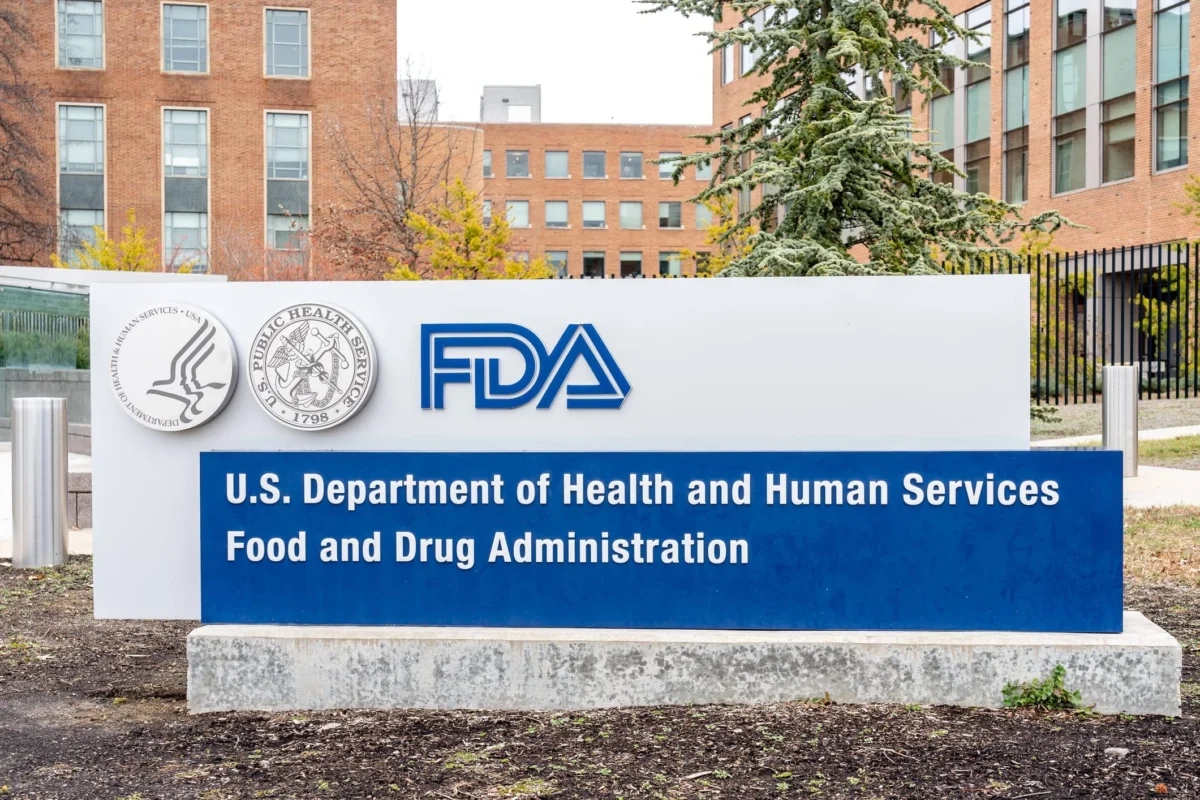
The quest to address the root physiological cause of narcolepsy has taken a significant leap forward. Lundbeck, a global pharmaceutical powerhouse specializing in brain health, recently announced that the U.S. Food and Drug Administration (FDA) has granted Fast Track designation to its investigational compound, Lu AH69593. This small-molecule oral orexin 2 receptor (OX2R) agonist, currently navigating the complexities of Phase 1b clinical trials, represents a potential paradigm shift in how clinicians manage the debilitating symptoms of narcolepsy.
By targeting the orexin pathway—the biological engine responsible for maintaining the delicate balance between sleep and wakefulness—Lundbeck’s therapeutic candidate aims to provide more than just symptomatic relief; it seeks to address the underlying neurological dysfunction that characterizes the condition.
The Core Mechanism: Restoring the Orexin Pathway
To understand the significance of Lu AH69593, one must first understand the pathology of narcolepsy. Narcolepsy is a chronic neurological disorder characterized by the brain’s inability to properly regulate sleep-wake cycles. In many patients, this is driven by the loss of hypocretin-producing neurons, also known as orexin neurons, located in the hypothalamus. These neurons are essential for promoting alertness and stabilizing sleep states. When orexin levels drop, the brain struggles to maintain wakefulness, leading to excessive daytime sleepiness, sudden muscle weakness (cataplexy), and fragmented nighttime sleep.
Current standard-of-care treatments often rely on stimulants to combat sleepiness or sodium oxybate to consolidate nighttime sleep. However, these treatments frequently act as "band-aids" rather than addressing the primary deficit. Lu AH69593 operates differently. As an OX2R agonist, the compound is designed to mimic the action of natural orexin by binding to and activating the orexin 2 receptor. By stimulating this pathway, the drug aims to "turn on" the body’s wake-promoting signaling, theoretically restoring a more natural sleep-wake rhythm.
Chronology of Development: From Laboratory to Clinical Reality
The development of Lu AH69593 is the culmination of years of rigorous research into the orexin system.
- Discovery Phase: Lundbeck’s research teams focused on identifying small-molecule candidates capable of crossing the blood-brain barrier with high selectivity for the OX2R receptor. The goal was to find a stable, oral formulation that could provide sustained receptor activation without the off-target effects that plagued earlier generations of orexin research.
- Preclinical Validation: Before entering human trials, Lu AH69593 underwent extensive testing in preclinical models to determine its pharmacodynamic profile and safety margins. These studies demonstrated the compound’s ability to promote wakefulness effectively in controlled laboratory settings.
- Phase 1a Initiation: Following successful preclinical results, the transition to Phase 1 trials marked the first time the compound was administered to humans. These early studies focused primarily on safety and tolerability in healthy volunteers.
- Current Status: Phase 1b: The compound is presently in a Phase 1b clinical program. This stage is critical, as researchers are fine-tuning dosage and evaluating how the drug interacts with the human body in a more controlled, albeit still early, patient cohort. The FDA’s recent Fast Track designation serves as an external validation of the compound’s potential impact on a significant, unmet medical need.
The Significance of FDA Fast Track Designation
The FDA’s Fast Track designation is not merely an administrative milestone; it is a strategic advantage for drug developers and, ultimately, for patients. This program is specifically designed to expedite the development and review of new therapies intended to treat serious conditions and fill critical gaps in the therapeutic landscape.
By securing this status, Lundbeck gains several procedural advantages:
- Increased Interaction: The company will have more frequent meetings with the FDA to discuss the drug’s development plan, ensuring that the clinical trial data being collected is aligned with regulatory expectations.
- Rolling Review: Lundbeck may be permitted to submit completed sections of its New Drug Application (NDA) for review by the FDA, rather than waiting until the entire application is finished. This significantly shortens the time between the conclusion of clinical trials and potential market approval.
- Eligibility for Accelerated Approval: Depending on the strength of the clinical data, the drug may be eligible for accelerated approval or priority review, further fast-tracking its journey to patients.
This designation underscores the FDA’s recognition that the current therapeutic options for narcolepsy are insufficient, and that the promise shown by Lu AH69593 justifies a streamlined regulatory path.
Official Perspectives: Addressing the Unmet Need
The urgency of the situation is not lost on leadership at Lundbeck. Johan Luthman, executive vice president of R&D at Lundbeck, emphasized the human element behind the science in a recent press statement.
"Fast Track designation is an important milestone for Lu AH69593 and for our ambition to translate compelling orexin biology into a new treatment approach for narcolepsy and other sleep-wake disorders," Luthman stated. He pointedly addressed the daily struggles of patients, noting, "For people living with narcolepsy, the ability to sustain wakefulness can shape almost every part of daily life. Fast Track designation underscores the urgent need for innovative therapies for narcolepsy and recognizes the potential of Lu AH69593."
Luthman’s comments highlight a shift in pharmaceutical development: moving away from generic sleep aids and toward precision medicine that addresses the specific neurological "wiring" that has gone awry in the patient’s brain.
Supporting Data and Clinical Objectives
While the specific Phase 1b data remain proprietary, the scope of the ongoing study (NCT07613710) provides insight into what researchers are monitoring. The study is designed to evaluate:
- Safety and Tolerability: This remains the primary objective. Researchers must ensure that activating the orexin pathway does not induce adverse events, such as hypertension or anxiety, which were concerns in earlier, non-selective orexin research.
- Pharmacokinetics (PK): This involves tracking how the drug is absorbed, distributed, metabolized, and excreted. For a wake-promoting agent, the drug’s half-life is crucial—it must be long enough to cover the patient’s active hours but not so long that it interferes with the ability to fall asleep at night.
- Pharmacodynamics (PD): This involves measuring the actual biological effect of the drug on the brain’s alertness centers. Researchers are looking for evidence that the drug is successfully engaging the OX2R receptors in a way that correlates with increased wakefulness.
Implications for the Future of Sleep Medicine
The development of Lu AH69593 is part of a broader "race" toward orexin agonists, which many sleep medicine experts consider the "Holy Grail" of narcolepsy treatment. If this compound successfully navigates the remaining phases of clinical trials, it could fundamentally change the treatment algorithm for narcolepsy.
Potential Benefits to Patients
If successful, an oral OX2R agonist would offer patients a more "physiological" solution. Unlike stimulants, which can lead to cardiovascular strain, irritability, and a "crash" when the medication wears off, an orexin agonist aims to stabilize the wakefulness system. This could lead to a more consistent quality of life, allowing patients to participate in school, work, and social activities without the constant, looming threat of sleep attacks.
Market and Scientific Impact
The pharmaceutical industry is watching these developments closely. A successful launch for Lu AH69593 would likely spur further investment into neurological research surrounding orexin, potentially opening doors for treatments for other conditions involving sleep-wake disturbances, such as idiopathic hypersomnia or even neurological disorders like Parkinson’s disease, where sleep architecture is often compromised.
Conclusion: A Cautious Optimism
While the news from Lundbeck is undoubtedly positive, it is important to maintain a balanced perspective. As an investigational compound, Lu AH69593 is not yet approved by any regulatory authority. The road from Phase 1b to Phase 3 and, eventually, to the pharmacy shelf is fraught with challenges, including potential unexpected side effects or a lack of long-term efficacy.
However, the FDA’s involvement at this early stage is a strong vote of confidence. The transition from identifying a biological pathway to developing a targeted, small-molecule agonist is a testament to the advancements in modern medicinal chemistry. For the millions of individuals worldwide living with the unpredictable and life-altering symptoms of narcolepsy, the progress of Lu AH69593 offers a glimmer of hope—a sign that the medical community is moving closer to a therapy that doesn’t just manage the disorder, but understands its very origin.
As the Phase 1b trial continues, all eyes will be on the clinical outcomes, which will determine whether Lu AH69593 can successfully transition from a laboratory breakthrough to a life-changing medicine. For now, the Fast Track designation stands as a clear signal that the development of this therapy is a high priority, marking a significant step forward in the pursuit of restorative and sustainable treatment for narcolepsy.