WASHINGTON — In a move that highlights the widening chasm between established medical science and the burgeoning, influencer-driven wellness industry, a panel of health advisers convened by the Food and Drug Administration (FDA) began a pivotal two-day meeting this Thursday. The subject: a review of more than a half-dozen synthetic peptides—substances that have gained massive popularity in the digital health sphere despite a profound lack of clinical evidence regarding their long-term safety or efficacy.
This high-profile gathering is not merely a technical review; it represents a cultural and political flashpoint. With the vocal backing of Health and Human Services Secretary Robert F. Kennedy Jr., who has openly championed the use of peptides, the meeting has become the focal point of a broader struggle to redefine the role of federal regulators in the era of "Make America Healthy Again" (MAHA).
The Main Facts: What Are Peptides and Why the Controversy?
Peptides are, at their chemical foundation, the fundamental building blocks of proteins. In the human body, they function as signaling molecules, triggering complex processes related to metabolism, muscle growth, and cellular repair. While the pharmaceutical industry has successfully harnessed specific, FDA-approved peptides to treat chronic conditions like Type 2 diabetes and obesity, the substances currently under scrutiny operate in a different, largely unregulated space.
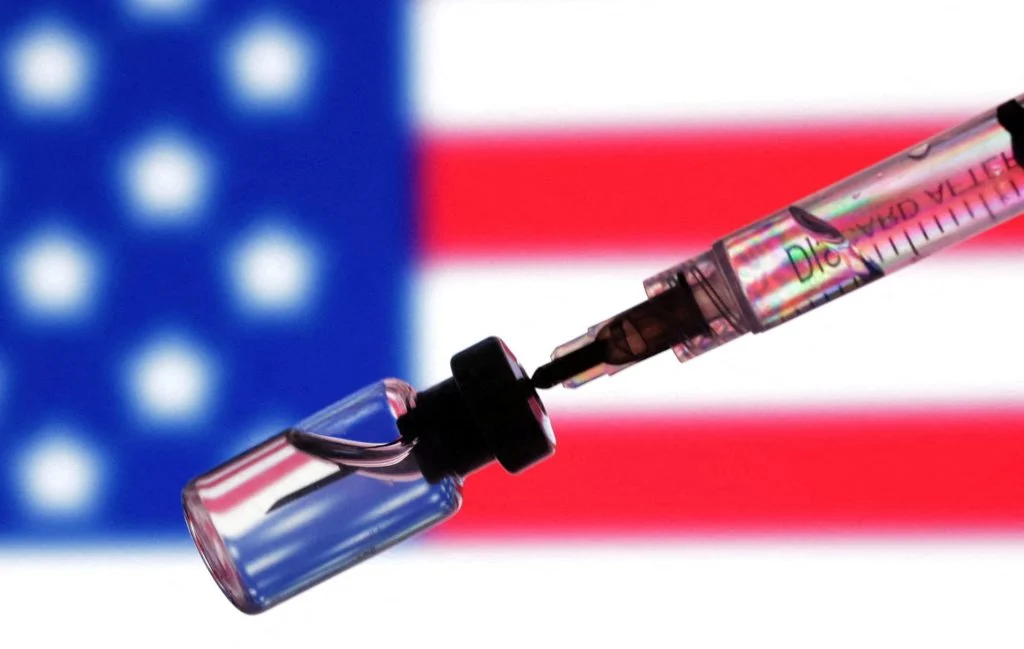
The compounds under review this week include substances like BPC-157 and TB-500, which are aggressively marketed online as "miracle" solutions for injury recovery, inflammation reduction, and anti-aging. Despite these claims, the FDA has repeatedly issued warnings regarding the risks of injecting these substances, citing concerns over quality control, potential contamination, and allergic reactions. Notably, international anti-doping authorities have classified many of these compounds as performance-enhancing substances, banning them from professional sports.
A Chronology of the Regulatory Stand-Off
The tension surrounding this meeting has been building for months, characterized by a tug-of-war between career scientists and political appointees.
- Pre-Meeting Phase: Over the past year, as social media influencers and podcasters like Joe Rogan amplified the "peptide lifestyle," the FDA maintained a rigid stance, arguing that the lack of human clinical trials made these substances unsafe for widespread compounding.
- The Kennedy Factor: Upon his appointment, Secretary Robert F. Kennedy Jr. signaled his intent to dismantle industry restrictions, framing the FDA’s previous caution as bureaucratic obstructionism. He openly identified as a proponent of peptide therapy, setting the stage for a policy clash.
- Conflict of Interest Allegations: As the advisory panel was assembled, critics noted that at least seven of the 20 members held direct financial ties to the peptide industry—including clinic owners and pharmacy operators. This prompted intense backlash, forcing the FDA to bolster the panel earlier this week by adding several independent academics to dilute potential conflicts of interest.
- The Two-Day Hearing: Commencing this Thursday, the hearing serves as a public forum for both proponents—including wellness entrepreneurs—and skeptics, including representatives from the Institute for Safe Medication Practices (ISMP).
Supporting Data: The Scientific Void
The core of the FDA’s opposition lies in the scarcity of human-centric data. In the scientific briefing documents released ahead of the meeting, FDA staff were blunt: there is simply no robust, peer-reviewed evidence to support the safety of the seven peptides being considered for the "compounding list."
"This is really alarming," said Rita Jew, president of the ISMP. "There aren’t that many other substances people are injecting into themselves where you see that the clinical evidence is so lacking."
The regulators highlighted that the majority of existing studies on these compounds have been conducted on animal models, such as rats, which rarely translate directly to human safety profiles. The risk of "gray market" supply chains—where these peptides are manufactured in facilities that lack the stringent oversight applied to traditional pharmaceutical companies—remains a primary concern for the agency’s scientific core.
Official Responses and Stakeholder Positions
The battle lines are drawn between two distinct philosophies of medicine.
The Proponents’ Argument
The American Academy of Peptide Medicine and various wellness influencers argue that the FDA is preventing patients from accessing potentially life-changing therapies. Their narrative suggests that patients are currently forced to turn to unregulated, "gray market" sources for these substances. By allowing pharmacies to legally compound them, they argue, the government could ensure better quality control and safety for the thousands of Americans who are already using them.
"For many people, this is about a therapy that is helping them, and whether they can get it safely and legally from a regulated pharmacy instead of taking their chances in the gray market," the group stated in a formal submission to the FDA.
The Regulators’ Stance
FDA career scientists maintain that "compounding" is intended for patients who have unique medical needs that cannot be met by FDA-approved, mass-produced medications. They argue that peptides do not meet this criteria because there is no evidence they provide a therapeutic benefit that outweighs their risks. They emphasize that adding these to the list of substances approved for compounding would essentially create a "backdoor" for unproven drugs to reach the public without the rigorous vetting process required for new pharmaceutical agents.
Implications: A Shift in Regulatory Culture
The outcome of this two-day meeting carries significant implications for the future of the FDA and the broader American healthcare landscape.
The Path Forward
While the advisory panel will take votes on the seven substances, these votes are technically non-binding. The FDA has historically maintained the authority to ignore its advisers. However, the current political environment suggests that a rejection of the panel’s recommendations could trigger a significant political confrontation.
Industry analysts, such as attorney Nathan Beaver, suggest that the most likely result is a "temporary policy" that offers a bridge between current enforcement and a total shift in strategy. Rather than immediate, formal legalization, the agency might provide temporary assurances to pharmacies that they will not be aggressively targeted for compounding these specific peptides.
Long-Term Consequences
If the FDA ultimately yields to the pressure to ease access to these substances, it would mark a historic departure from the agency’s "evidence-first" approach. Such a pivot could set a precedent for other fringe wellness treatments to bypass the traditional clinical trial process, potentially transforming the pharmaceutical landscape in ways that prioritize patient demand over long-term safety data.
Conversely, if the FDA stands firm against political pressure, it may find itself in a protracted legal and administrative battle with the current administration. As the meeting continues, the nation watches to see whether the FDA will maintain its role as a gatekeeper of scientific rigor or if it will be forced to accommodate a new,, more permissive era of "wellness-first" medicine.
The debate underscores a fundamental question for modern democracy: In an age where digital influencers can sway public health trends faster than scientists can test them, who should ultimately decide what we put into our bodies—the data, or the people? For now, that question remains in the hands of the 20-member panel in Washington, as the scientific community and the wellness movement collide in the sterile halls of federal oversight.