








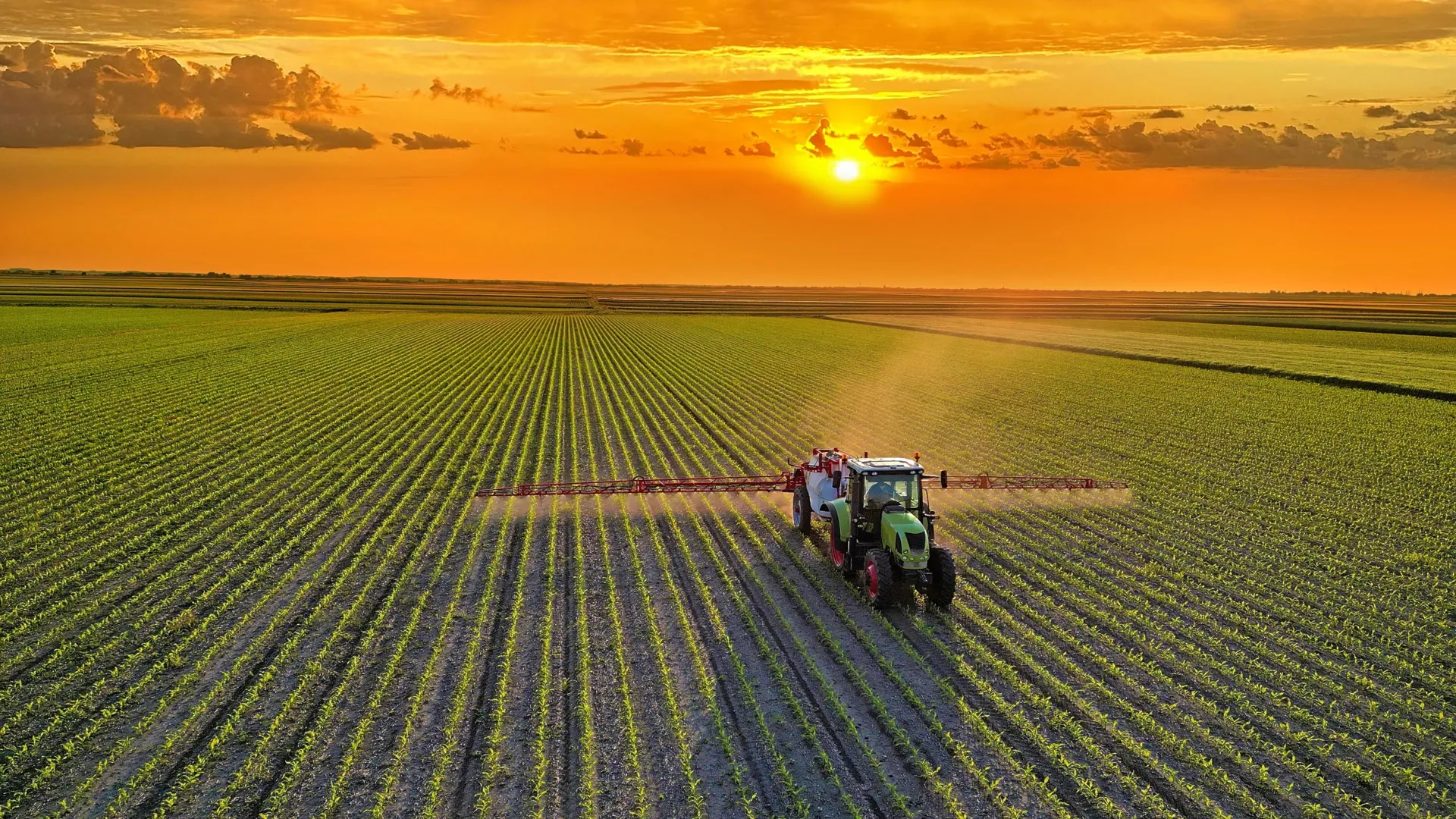
The global food system, a sprawling network of production, distribution, and consumption, is approaching a critical juncture. According to a landmark study published in the journal Nature, a comprehensive, worldwide transition toward healthier diets, improved farming efficiency, and a drastic reduction in food waste could fundamentally rewrite the rules of global agriculture by 2050.
This proposed transformation—modelled after the ambitious vision set forth by the 2025 EAT-Lancet Commission—would not merely be an exercise in environmental stewardship. It represents a structural upheaval of the global economy, promising to slash carbon emissions and save millions of lives while simultaneously forcing a seismic shift in how farmers utilize land and manage livestock.
Main Facts: A Blueprint for a Sustainable Future
The research, led by a consortium of experts from the London School of Hygiene & Tropical Medicine (LSHTM), Cornell University, and ten international modeling teams, paints a picture of a world where the "business-as-usual" approach to agriculture is replaced by a strategy prioritizing nutritional density and environmental sustainability.
The primary takeaways from the modeling suggest a paradoxical outcome: while the total value of global livestock production is projected to plummet by 42%—a staggering loss of $630 billion compared to 2020—the production value of plant-based foods is expected to soar. Vegetables, fruits, nuts, and legumes are predicted to see a collective value increase of 57%, amounting to an $890 billion market expansion.
Perhaps most significantly, the global footprint of agriculture would shrink. By adopting these dietary and efficiency standards, the world could reduce its total farmland use by as much as 6%. This reduction is critical in an era where land-use change—the clearing of forests, the draining of wetlands, and the conversion of grasslands—remains one of the primary drivers of biodiversity loss and greenhouse gas emissions.
The Chronology of Transformation: From Modeling to Implementation
While 2050 is the horizon for these changes, the groundwork must be laid today. The transition follows a logical progression of necessary reforms:
- Phase 1: Policy and Awareness (2025–2030): The current period is defined by the integration of EAT-Lancet findings into national health and agricultural policies. Governments must grapple with the "hidden costs" of food, estimated at $10–$20 trillion annually—costs tied to healthcare for diet-related illnesses, environmental degradation, and lost economic productivity.
- Phase 2: Transitioning Production (2030–2040): As consumer demand shifts, farmers will be forced to pivot. The model predicts a rapid contraction in the ruminant sector (beef, sheep, and goats), with an estimated 400 million fewer ruminant animals globally. During this decade, the agricultural sector will likely see the greatest degree of economic volatility as land use transitions from grazing to high-yield, resource-efficient crop production.
- Phase 3: Stabilization and Optimization (2040–2050): By the final decade of the study period, the benefits of the transition should be fully realized. Net-CO2 emissions from land-use change are projected to be 85% lower than they were in 2020. This is the era where the health dividends—an estimated 15 million fewer premature deaths per year—become a tangible reality for global populations.
Supporting Data: Regional Disparities and Sectoral Shifts
The economic impact of this transition will not be felt equally. Regional disparities, driven by existing agricultural infrastructure, trade dependencies, and cultural dietary habits, will create winners and losers in the global market.
The North American and European Contraction
The United States and Europe, currently heavily invested in intensive livestock production, face the most significant economic hurdles. In the U.S., total agricultural production value is projected to fall by 21% ($76 billion). While the domestic crop sector could see a 20% gain ($40 billion), the livestock sector faces a potential 73% decline ($116 billion). Europe’s outlook is similarly challenging, with an overall production value decline of 35% ($190 billion), dominated by a 66% drop in livestock value.
The Opportunity in Emerging Markets
Conversely, countries like India are positioned differently. The model suggests that India’s total agricultural production value could increase by 46% ($198 billion). This growth is driven by a massive expansion in crop production (65% or $208 billion) and a relatively modest contraction in livestock (8%). These regional differences underscore the reality that a "one-size-fits-all" policy is impossible; each region requires a tailored roadmap to transition its labor force and capital away from contracting sectors.
The Role of Legumes
Central to this shift is the "protein revolution." Legumes—including beans, lentils, peas, and chickpeas—serve as the cornerstone of the proposed dietary shift. These crops provide essential fiber and protein while requiring significantly fewer resources, such as water and land, than animal-derived proteins.
Official Responses: Navigating the Political Minefield
The researchers are acutely aware that their findings are not a prophecy, but a "foresight" tool—a guide to identifying where the most severe economic and political friction points will occur.
Dr. Matt Gibson, lead author of the study, emphasized that the transition is as much a political challenge as it is a scientific one. "Transforming food systems would deliver enormous potential benefits to our health and the environment," Gibson noted. However, he cautioned against using the findings as a justification for inertia. "It’s critical that governments rise to the challenge and make difficult decisions… This means confronting powerful groups that profit from the status quo."
Daniel Mason-D’Croz, a co-author from Cornell University, stresses that foresight modeling is not intended to predict a singular future. Instead, it serves to map the risks. "We should consider these scenarios not as a forecast, but as a useful early guide… A transformation of this magnitude cannot begin in 2050. Foresight modeling is a valuable tool to inform actions today for more sustainable, healthy, and just food systems tomorrow."
Implications: A Just Transition or Economic Disruption?
The transition to a sustainable food system is fraught with practical and cultural barriers that the current models—which assume a "costless" shift in consumer preference—do not fully capture.
The Reality of Dietary Shifts
In the real world, dietary change is hindered by income inequality, lack of access to fresh produce, and deeply ingrained cultural traditions. For millions of people, a "healthy diet" is not merely a choice, but a luxury. If governments force an transition without addressing these systemic inequities, they risk alienating vulnerable populations who depend on low-cost, calorie-dense animal products for survival.
The Human Cost for Farmers
The most profound implication of the study is the potential for severe economic disruption among farming communities. A 70% decline in the value of the ruminant sector is not just a line item on a spreadsheet; it represents the livelihoods of millions of families. If these farmers are left to navigate the shift alone, the result could be a collapse of rural economies, leading to migration, loss of land tenure, and social unrest.
The Policy Imperative
The authors argue that the only way to navigate this transition successfully is through "bold policy decisions" implemented immediately. This includes:
- Subsidies and Incentives: Redirecting agricultural subsidies away from environmentally taxing livestock operations and toward sustainable crop production.
- Safety Nets: Creating economic transition programs for farmers to retrain or pivot their land use without suffering total financial ruin.
- Global Cooperation: Ensuring that trade policies reflect the need for sustainable production, preventing a scenario where environmentally damaging practices are simply outsourced to countries with less stringent regulations.
In conclusion, the path to 2050 is paved with both immense promise and significant peril. The findings from this international consortium confirm that the health of the planet and the health of its human inhabitants are inextricably linked to the food on our plates. Whether this transition leads to a "just" global food system or a period of prolonged economic chaos will depend entirely on the foresight and political courage of leaders today. The era of passive consumption is coming to an end; the era of intentional, sustainable stewardship must begin.