









By Diane Westwater
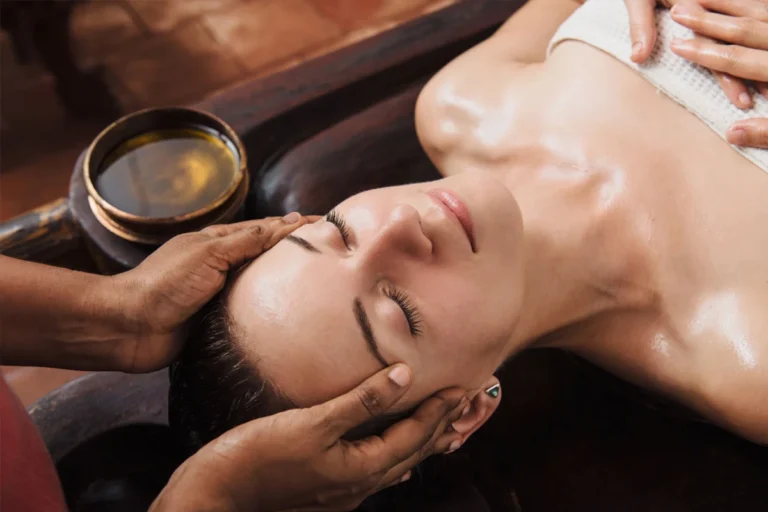
In the ancient tradition of Ayurveda, health is not merely the absence of disease, but a dynamic state of equilibrium—a harmonious symphony of mind, body, and consciousness. As we transition into the depths of the winter season, this balance is often challenged by the external environment. Ayurveda provides a robust framework for addressing these shifts, emphasizing that when imbalance manifests as a psychosomatic disorder, the path to restoration requires a strategic choice between two primary modalities: Shamanam (pacification) and Shodanam (purification).
The Foundational Principles: Pacification vs. Purification
The Ayurvedic approach to healing is methodical. When an individual presents with physical or mental weakness, the primary goal is nourishment. In such instances, Shamanam—the practice of pacification—is indicated. This process is designed to remove the root cause of distress while simultaneously building systemic strength. It serves as a gentle buffer, preparing the body for more intensive interventions.
Conversely, Shodanam, or purification, is reserved for those whose constitutions are sufficiently robust to withstand the deeper detoxification process. Panchakarma, a cornerstone of Ayurvedic medicine, consists of these five distinct purificatory actions. The term itself is derived from pancha (five) and karma (action). These procedures are designed to draw toxins out of the tissues and eliminate them from the body, resetting the internal environment to its optimal state.
The Seasonal Shift: Embracing the Kapha Season
To understand why specific rituals become necessary in winter, one must first understand the qualities of the season. Ayurveda categorizes winter as the Kapha season, defined by qualities that are cold, heavy, dense, slow, and cloudy. When these environmental traits become excessive, they accumulate in the human body, leading to lethargy, sinus congestion, and mental "fog."
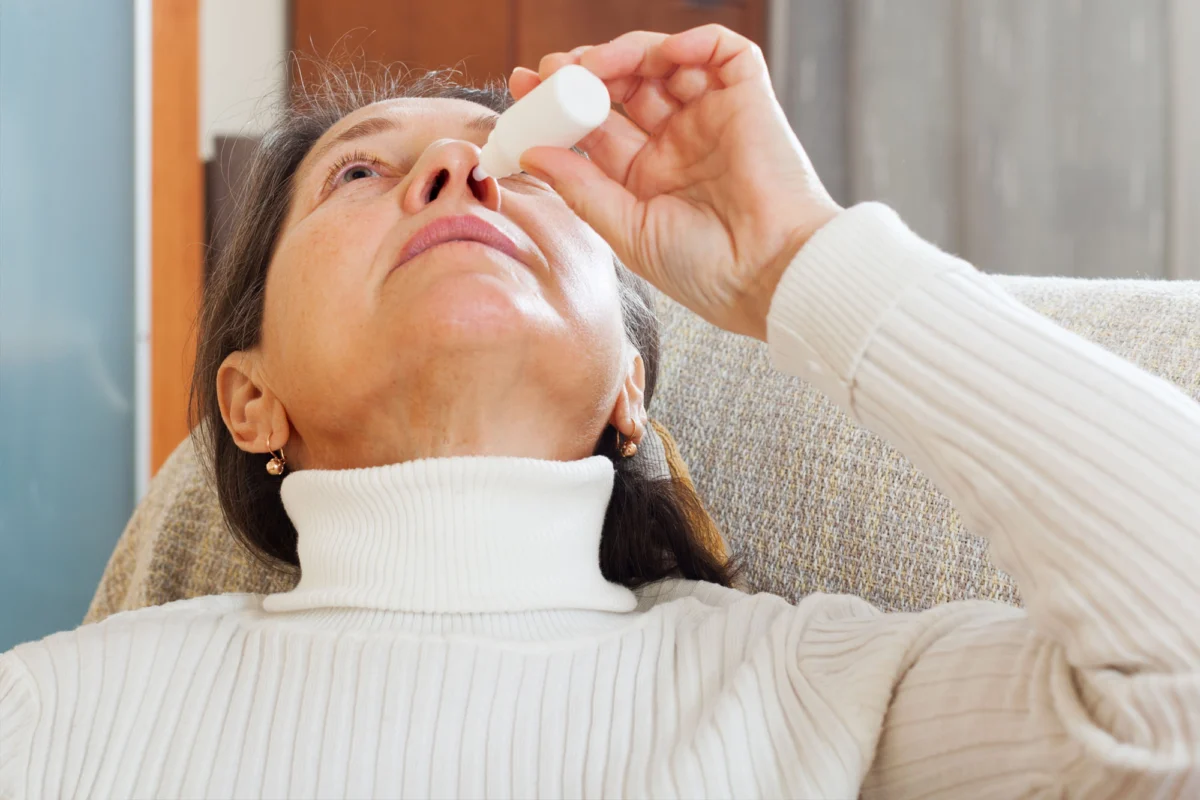
To counteract these heavy qualities, Ayurveda prescribes the application of the law of opposites: we must introduce heating, drying, and expansive elements to restore balance. This is where Nasya—the nasal administration of therapeutic substances—becomes an indispensable tool for the winter months.
The Physiology of Nasya: The Gateway to Consciousness
In Ayurvedic anatomy, the nose is considered the "door to the brain" and the portal to consciousness. The logic is physiologically profound: substances inhaled through the nasal passage exert a direct influence on the Majja Dhatu (the nervous system and bone marrow).
When medicine is administered via the nostrils, it interacts with the Nadis, or the energetic "rivers of life." The mechanics of this process are fascinating. Upon inhalation, a portion of the air reaches the brain through the cribriform plate—a porous bone structure at the base of the skull. This physical act creates a pressure gradient that influences the meninges, the protective membranes surrounding the brain and spinal cord. Simultaneously, the respiratory mechanics involved in these techniques trigger the diaphragm to move with greater efficiency, stimulating the circulation of cerebral spinal fluid (CSF). This pumping action facilitates enhanced venous and arterial flow, effectively "clearing the cobwebs" of the mind.
Chronology and Methodology of Nasal Cleansing
While there are five traditional classifications of Nasya, the focus during the winter months centers on clearing the stagnation brought about by Kapha.
The Vacha Root Protocol
Vacha, also known as calamus root (Acorus calamus), is an herb of significant potency. Its energetics—heating, pungent, and bitter—are perfectly suited to dismantle the heavy, dense accumulation of winter. Vacha is considered sattvic, meaning it brings clarity, harmony, and purity to the mind.
By clearing the srotas (the body’s subtle channels), Vacha aids in the purgation of systemic toxins and the revitalization of Prana, the life force. To perform this, a practitioner uses a fine pinch of Vacha root powder, inhaling a small amount into each nostril. Sneezing is a natural, expected, and welcomed response to this procedure, as it signals the activation of the Udana Vayu (the upward-moving energy) and the clearing of the brain centers.
The Ginger-Jaggery Infusion
For those seeking relief from sinus congestion or chronic tension headaches, the ginger-jaggery nasya is a traditional remedy. While the experience may involve a brief, sharp burning sensation and a flushing of the eyes, it is widely reported to be followed by an exhilarating "after-glow" of mental clarity.
Preparation Instructions:
- Finely grate 1 teaspoon of fresh ginger and 1 teaspoon of high-quality jaggery.
- Combine these with 1/3 cup of pure water.
- Strain the mixture through clean cheesecloth, ensuring all solid fibers are removed.
- Administer 2–3 drops into each nostril.
Note: It is imperative that this mixture be prepared fresh for every application to ensure sterility and potency.
Supporting Data and Therapeutic Implications
The clinical implications of Nasya extend beyond simple decongestion. By modulating the autonomic nervous system through nasal stimulation, practitioners report improvements in cognitive function, emotional stability, and respiratory rhythm.
In modern, integrative settings, the use of herbal nasya is often discussed alongside the necessity of systemic detoxification. However, the efficacy of these methods relies heavily on the individual’s current health status. Ayurveda does not support a "one-size-fits-all" approach. Practitioners emphasize that the success of any purification protocol is dependent on the practitioner’s ability to differentiate between a patient who needs to be built up (pacification) and one who is ready to be cleared (purification).
Professional Perspectives and Safety Warnings
While these ancient techniques have been utilized for millennia, contemporary Ayurvedic professionals underscore the importance of caution. The nasal cavity is a sensitive, highly vascularized area.
"The introduction of any substance into the nasal passage should be done with intention and care," says one prominent Ayurvedic consultant. "We are dealing with a direct pathway to the central nervous system. Self-administration is common in Ayurvedic home-care, but it must be done under the guidance of a qualified practitioner, especially for those with pre-existing sinus conditions, high blood pressure, or structural abnormalities of the nasal septum."
Furthermore, individuals currently undergoing conventional medical treatments for respiratory or neurological issues should not initiate a Nasya protocol without first consulting their primary health care provider. The interaction between herbal substances and pharmacological medications is a critical factor that must be evaluated by a trained integrative professional.
Implications for Modern Lifestyle
In an era characterized by chronic stress, excessive screen time, and a sedentary indoor lifestyle during the winter months, the practice of Nasya offers a unique intervention. It is a sensory-based practice that demands a moment of pause, forcing the practitioner to engage with their own breath and body.
The implications of incorporating such rituals are significant. By prioritizing the clearing of the srotas and the nourishment of Prana, we can transition from a state of winter-induced stagnation to one of vitality and focus. Whether through the heating, pungent properties of Vacha or the clearing, refreshing qualities of ginger, the goal remains the same: to maintain the integrity of the mind-body connection.
As the winter season continues to test our resilience, these traditional methods serve as a reminder that the tools for our well-being are often found in the most fundamental aspects of our biology—the very air we breathe and the channels through which it travels. By respecting the intelligence of the body and adhering to the wisdom of Ayurvedic tradition, we can navigate the cold, heavy months with grace, clarity, and enduring strength.
Disclaimer: This article is for informational purposes only and does not constitute medical advice. Please consult with a licensed healthcare professional before beginning any new health regimen, including the use of herbal nasal preparations.