








Introduction: A New Era of Data-Driven Oncology
The landscape of cancer research is undergoing a profound transformation. As the scientific community pivots from traditional observation toward high-throughput, data-intensive inquiry, the ability to synthesize "big data" has become as critical as the ability to conduct a wet-lab experiment. To address this evolving demand, the Cancer Research Institute (CRI) hosted its third annual Bioinformatics Bootcamp from May 16–22, 2026.
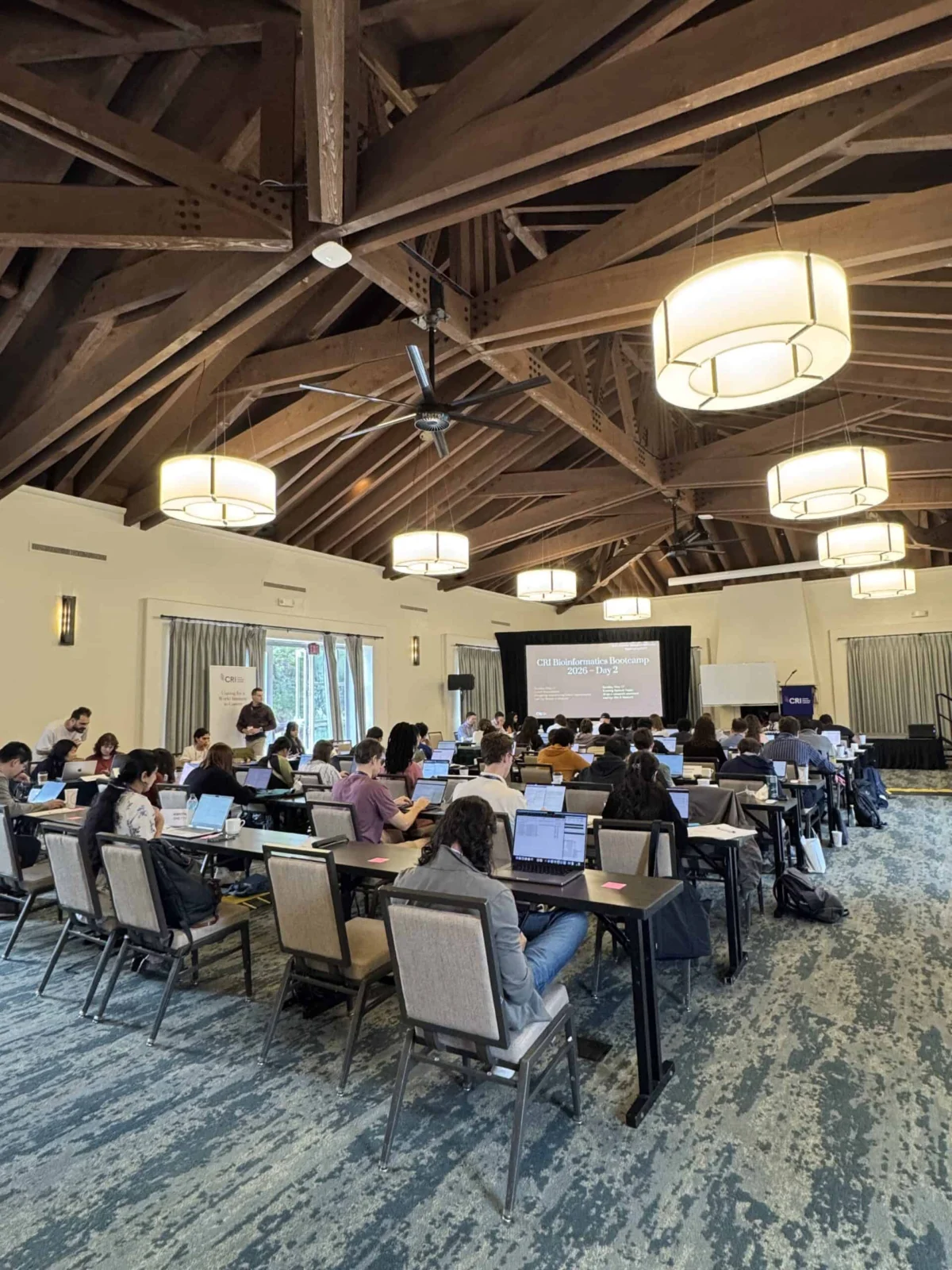
Held at the serene La Cantera Resort in San Antonio, Texas, the week-long intensive served as a high-level incubator for more than 50 early-career scientists, fellows, and students. By fostering a unique intersection between experimental biology and computational data science, the CRI is actively dismantling the silos that have historically separated the "wet lab" from the "dry lab," ensuring that the next generation of researchers is fully equipped to decipher the complexities of the human immune system’s fight against cancer.
The Genesis and Evolution of the Bootcamp
A Program Built for the Future
The CRI Bioinformatics Bootcamp was established with a singular, ambitious goal: to democratize advanced computational skills for researchers whose training has been primarily biological. As cancer immunotherapy moves toward precision medicine—where treatments are tailored to the specific genetic and molecular profile of a patient’s tumor—the volume of data generated by single-cell sequencing, proteomics, and multi-omics has skyrocketed.
"When we started the bioinformatics bootcamp just three years ago, we really focused on the basics and the fundamentals of programming," noted Dr. Katie Campbell, a long-standing faculty member of the program. "With the rapid pace of technology, there’s a rapid pace of the tools available to analyze. We have to think about how we accelerate not just the discovery but the analysis, without taking away the necessary thought processes that have to be intrinsic to the fellows as they take on this research."
Chronology of the 2026 Intensive
The 2026 iteration of the Bootcamp was the most ambitious to date. The week was structured to transition participants from fundamental concepts to highly specialized applications:
- Days 1–2: Foundation Building. Focus on core programming proficiency, data management, and the architecture of reproducible computational workflows.
- Days 3–4: Advanced Methodologies. Deep dives into next-generation sequencing (NGS) analysis and the intricacies of single-cell technologies.
- Days 5–7: Real-World Integration. Participants worked one-on-one with faculty, applying the week’s lessons directly to their own raw datasets, turning theoretical knowledge into actionable insights.
Expert Perspectives: Bridging the "Wet-Dry" Divide
The success of the Bootcamp relies on its faculty, a cohort of five bioinformatics experts, most of whom have been with the program since its inception. This continuity has allowed the curriculum to evolve in tandem with the field.
"The Bootcamp is important because it’s really bridging the gap across two fields," explained Christie Chang, a teaching assistant (TA) at the event. "As technologies are evolving, we’re generating large data sets, and we need computational tools to be able to understand more complex pictures and make more complex discoveries. We’re only learning about cancer because we were able to extend lifespans, and we want to keep extending them. Technology advances so that we can live longer."
The sentiment was echoed by Dr. Maryam Pourmaleki, another TA who emphasized the shift toward multimodal data. "In today’s time, a lot of science is moving towards big data. Scientists who have phenomenal training in wet lab now need to analyze bigger multimodal data they’re generating, and the Bootcamp is giving those scientists the necessary tools to work with big data."
Supporting Data and Pedagogical Innovation
Expanding the Curriculum
Recognizing that the needs of modern researchers go beyond coding, the 2026 Bootcamp introduced targeted, high-engagement sessions. New additions included:
- Lunch-Hour Roundtables: Capped at 18 participants to ensure intimacy, these sessions covered high-stakes topics such as grant planning for bioinformatics-heavy projects, navigating computational career paths, and ensuring coding reproducibility—a major hurdle in modern scientific publishing.
- Evening Deep-Dives: These sessions ventured into the cutting edge, including the role of Artificial Intelligence (AI) in drug discovery and advanced Python coding techniques.
Accessibility and Community
A central tenet of the CRI initiative is the reduction of barriers to entry. Many attendees arrive with little to no formal computational training, often feeling intimidated by the prospect of writing code. By providing a "safe-to-fail" environment, the Bootcamp demystifies the command line, transforming it from a barrier into a powerful research instrument.
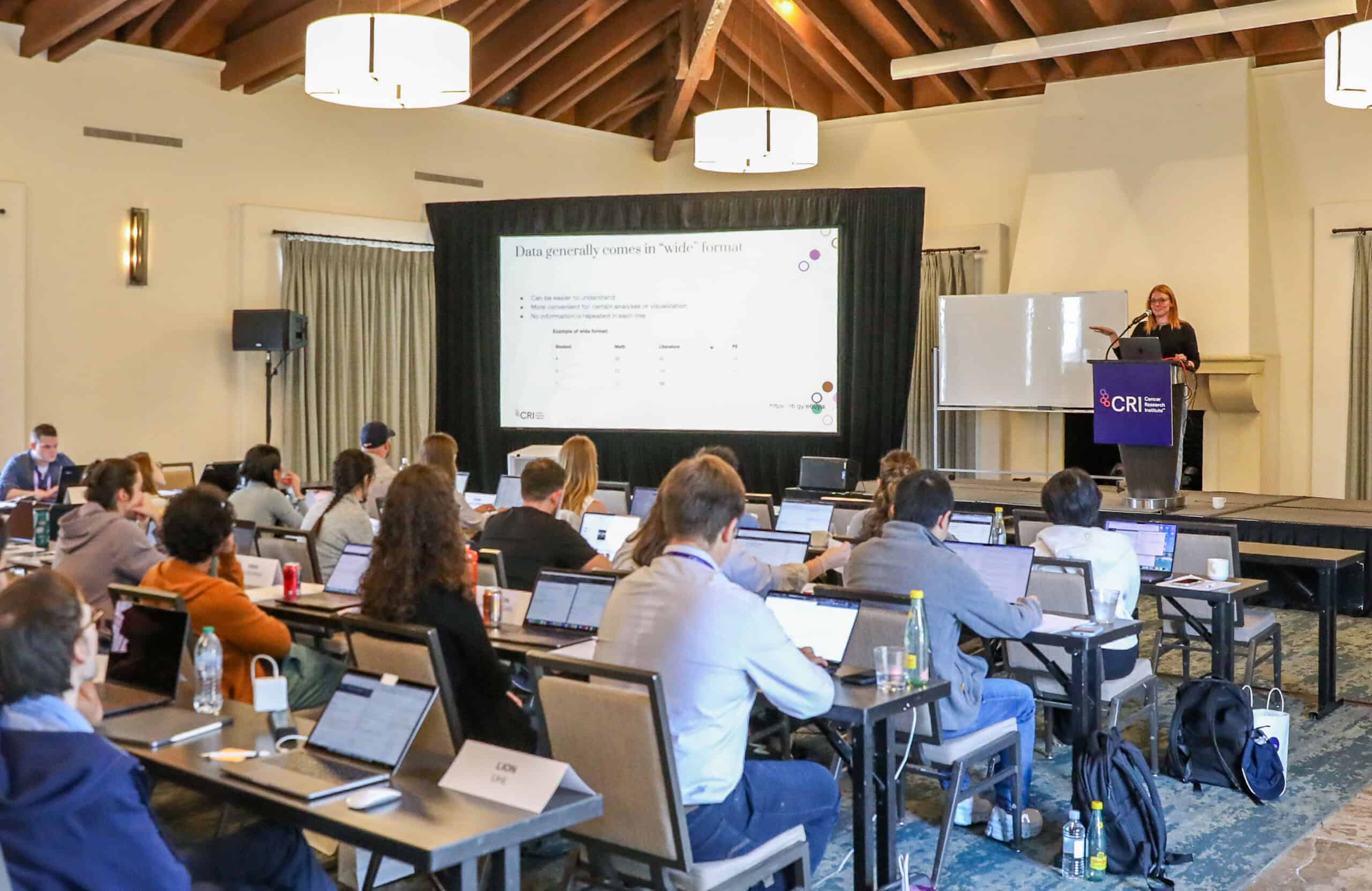
Dr. Jia Yu (Jennifer) Ye, a CRI Immunoinformatics Postdoctoral Fellow, highlighted the value of this structured approach: "It’s just such an amazing opportunity offered by CRI to really help learn all of the informatics skills more systematically, rather than just chatting with an AI engine."
The Human Element: Networking and Mentorship
While the primary focus is technical, the social and collaborative architecture of the Bootcamp is equally important. By bringing 50+ fellows together in a neutral, immersive environment like La Cantera, the CRI facilitates a cross-pollination of ideas that rarely happens in isolated university labs.
Dr. Tara Muijlwijk, a CRI Dr. Keith Landesman Memorial Fellow, emphasized the importance of this perspective. "It’s super important to zoom out from your own research," she noted. "The Bootcamp is really a great way to zoom out and to think about, okay, what am I doing, why am I doing this, and also to connect with other people, which is super important in research."
These connections often lead to long-term collaborations, shared code repositories, and a support network that extends well beyond the final day of the conference.
Implications for the Future of Cancer Research
Accelerating Discovery
The implications of this training extend far beyond the individual researcher. By producing a workforce that is "computationally literate," the CRI is accelerating the pace of immunotherapy breakthroughs. When a researcher can analyze their own data, the time between experiment and insight shrinks from months to weeks.
A Commitment to Excellence
The CRI’s investment in this Bootcamp reflects a broader institutional commitment to interdisciplinary research. As cancer becomes increasingly understood as a disease of genomic and immunological complexity, the ability to visualize, model, and interpret this data is the new "gold standard" for research excellence.
The program successfully prepares scientists to:
- Navigate Big Data: Manage and interpret large-scale datasets with confidence.
- Ensure Reproducibility: Apply rigorous standards to ensure that computational results can be verified and built upon by others.
- Drive Innovation: Use computational tools to identify new biomarkers and therapeutic targets that would be invisible to the naked eye.
Conclusion: Investing in the Architects of Tomorrow
The third annual CRI Bioinformatics Bootcamp has proven once again that the most significant breakthroughs in cancer research occur not just at the microscope, but at the interface of biology and computation. By equipping the next generation of fellows with the tools to navigate the digital landscape, the Cancer Research Institute is not merely teaching a skill set; it is fostering a community of innovators.
As these 50+ participants return to their home institutions, they carry with them more than just technical proficiencies. They bring a new perspective on how to integrate data into the very fabric of their research. In the quest to turn cancer from a lethal disease into a manageable or curable condition, this cohort of researchers—armed with the power of bioinformatics—represents the front line of modern medicine. Through this program, the CRI ensures that the future of cancer immunotherapy is not only data-informed but also robust, collaborative, and perpetually advancing.