










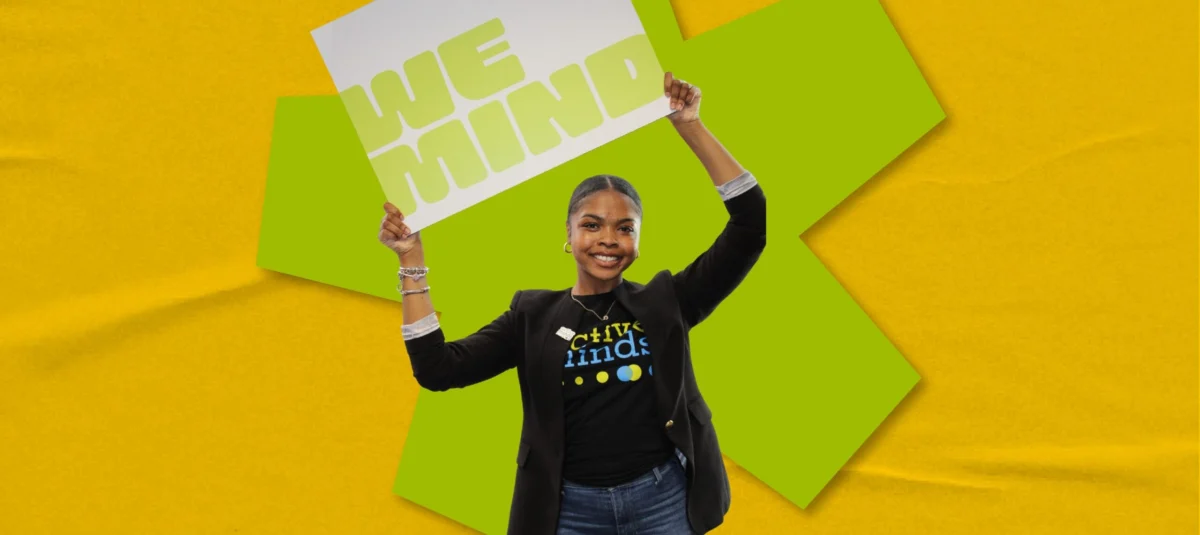
WASHINGTON, D.C. — In a powerful demonstration of the "nothing about us without us" philosophy, five young leaders descended upon the nation’s capital this May to redefine the landscape of collegiate mental health. Representing Active Minds, the country’s premier nonprofit supporting mental health awareness and education for young adults, these advocates transitioned from grassroots organizers to legislative influencers, presenting a compelling case for federally backed, youth-informed mental health strategies.
The cornerstone of their mission was the promotion of the Campus Lifeline Act, a legislative proposal authored by Active Minds. The bill aims to bridge the gap between students in crisis and the life-saving resources they need, specifically by mandating the inclusion of the 988 Suicide & Crisis Lifeline on student identification cards and increasing federal investment in campus-based mental health infrastructure.
I. Main Facts: The Intersection of Advocacy and Policy
The advocacy day, held at the start of Mental Health Awareness Month, focused on the critical need for systemic change within higher education institutions. While many universities offer counseling services, the accessibility and visibility of these resources often fall short during moments of acute crisis.
The Campus Lifeline Act (H.B. 8657) seeks to address these shortcomings through two primary mechanisms:
- Visibility: Requiring the 988 Suicide & Crisis Lifeline to be printed on all newly issued student ID cards (both physical and digital).
- Investment: Directing federal funds toward youth-informed mental health strategies, ensuring that the students who utilize these services have a say in how they are designed and delivered.
According to Active Minds, the initiative is rooted in the "foundational truth" that leadership begins with youth. By bringing those "closest to the problem" directly to the halls of Congress, the organization aims to ensure that federal policy reflects the lived realities of the current generation of students.
II. Chronology: From Grassroots to the Rayburn Building
The journey to the May 5th panel began long before the advocates arrived in Washington. For the five panelists—Ayaan Moledina, Amy Senkerik, Naomi Hines, Michael Landu, and Carson Domey—their involvement in mental health advocacy was born from personal trials and local successes.
- Pre-2024: Each advocate built a portfolio of local impact. Amy Senkerik successfully lobbied Arizona State University (ASU) to include the 988 Lifeline on digital IDs. Carson Domey spent years advocating for telehealth accessibility in Massachusetts.
- May 1, 2024: Active Minds launched its Mental Health Awareness Month campaign, centering the narrative on "Youth-Led, Federal-Backed" solutions.
- May 5, 2024: The delegation convened in the Rayburn House Office Building. In a room filled with House of Representative staffers and legislators, the five panelists shared their stories, effectively putting a human face on the statistics of the national mental health crisis.
- Post-Panel: The advocates moved into direct legislative engagement, urging representatives to co-sponsor the Campus Lifeline Act and emphasizing the bipartisan nature of student safety.
III. Supporting Data: The High Stakes of Campus Mental Health
The push for the Campus Lifeline Act is supported by a burgeoning body of data indicating a mental health "inflection point" for American youth.
- The 988 Efficacy: Since its transition to a three-digit code in 2022, the 988 Suicide & Crisis Lifeline has seen a significant increase in volume. However, awareness among the 18–24 demographic remains inconsistent.
- Student Vulnerability: Data from the CDC and various mental health surveys consistently rank suicide as the second leading cause of death for college-aged individuals. Furthermore, nearly 60% of college students reported experiencing at least one mental health challenge during the previous academic year.
- The "Friction" Factor: Behavioral economics suggests that in moments of high stress, "friction"—even something as small as having to search for a phone number—can prevent someone from seeking help. By placing the 988 number on an item every student carries (their ID card), the Campus Lifeline Act removes that friction.
- Federal Investment Gaps: While the American Rescue Plan provided temporary relief, long-term federal funding for campus mental health remains precarious. The bill seeks to codify and expand these investments to ensure sustainability.
IV. Panelist Insights and Official Responses
The heart of the Capitol Hill briefing lay in the testimonies of the five panelists. Each brought a unique perspective, ranging from medical necessity to the importance of cultural competency.
Ayaan Moledina: The Grassroots Perspective
At just 17 years old, Ayaan Moledina is already a seasoned political figure, currently running for the school board in Rock Round, Texas, and serving as director of Students Engaged in Advancing Texas (SEAT). Moledina’s advocacy is deeply personal, rooted in his diagnosis of depression at age 10.
"You can’t make effective mental health policy for young people without young people," Moledina told the gathered staffers. "Students are the ones closest to the problem." His testimony highlighted that mental health competency must begin in K-12 and transition seamlessly into higher education.
Amy Senkerik: The ASU Success Story
Representing Arizona State University, the largest public university in the U.S., Amy Senkerik provided a "proof of concept" for the bill. After losing her best friend to suicide, Senkerik became a vocal proponent for immediate resource access.
"When we make help easier to find, we give people a better chance," she stated. "Putting 988 on student IDs isn’t a complicated solution. They don’t have to Google anything; the option is right in front of them." Her success at ASU serves as the blueprint for the national mandate proposed in the Campus Lifeline Act.
Michael Landu: Destigmatizing Treatment
Michael Landu focused his testimony on the medical and social stigma surrounding psychiatric care. Diagnosed with Major Depressive Disorder (MDD), Landu argued that psychiatric prescriptions should be treated with the same clinical acceptance as medications for physical ailments like high blood pressure.
"I am really inspired by 988," Landu said. "It would have been a really helpful resource for me back when I didn’t know it existed."
Naomi Hines: Uplifting the Underserved
Naomi Hines, a student at Bowie State University and founder of the Acts of Kindness Project, brought a focus on minority and underserved communities. As a certified mental health first aid provider, she emphasized that while resources exist, the "comfort level" in utilizing them is a barrier that must be broken down.
"Why suffer alone when you have these resources around you?" Hines asked. "We need to figure out a way to connect students to that and make students feel more comfortable."
Carson Domey: The Evolution of Advocacy
Carson Domey’s journey began at age 12, navigating his own medical challenges. This experience prepared him for a life of advocacy, which intensified following the loss of a friend in 2018. Domey’s work focuses on the intersection of physical and mental health, pushing for physical education standards to include mental health components.
V. Implications: A Paradigm Shift in Policy Making
The presence of these young leaders on Capitol Hill signals a broader shift in how public policy is crafted. For decades, mental health policy was largely the domain of clinicians and older administrators. The Active Minds delegation argues that this "top-down" approach often misses the nuances of the student experience.
The Power of Bipartisanship
The Campus Lifeline Act is positioned as a bipartisan priority. Mental health and suicide prevention are issues that transcend party lines, particularly when focused on the safety and well-being of the next generation of the American workforce. By focusing on a "common-sense" solution like ID card updates, the bill avoids the gridlock often associated with more controversial healthcare debates.
Cultural and Digital Transformation
The inclusion of 988 on digital student IDs, as championed by Senkerik, acknowledges the digital-first reality of modern students. This shift ensures that even as physical cards become less common, the lifeline remains embedded in the technology students use daily.
Future Outlook
If passed, the Campus Lifeline Act would represent one of the most significant federal mandates for campus mental health in recent history. It would set a new standard for university accountability, requiring institutions to not only provide services but to actively and visibly promote them.
Furthermore, the success of this panel suggests that youth advocacy is no longer just about "raising awareness"—it is about legislative authorship. Active Minds has demonstrated that when young people are given the tools and the platform, they are capable of drafting, defending, and driving the policies that will save their peers’ lives.
Conclusion: A Call to Action
As Mental Health Awareness Month continues, the momentum for the Campus Lifeline Act grows. Active Minds is currently urging the public to contact their representatives, noting that the process of supporting the bill takes less than three minutes via their online portal.
The message from the Rayburn Building was clear: Policy should reflect who it is created for. As Ayaan Moledina, Amy Senkerik, Naomi Hines, Michael Landu, and Carson Domey return to their respective states, they leave behind a challenge to the federal government—to treat youth mental health not as a secondary concern, but as a primary pillar of national safety and education.
"We all have the potential to inspire each other," Landu concluded. In the halls of Congress, that inspiration may finally be turning into law.