









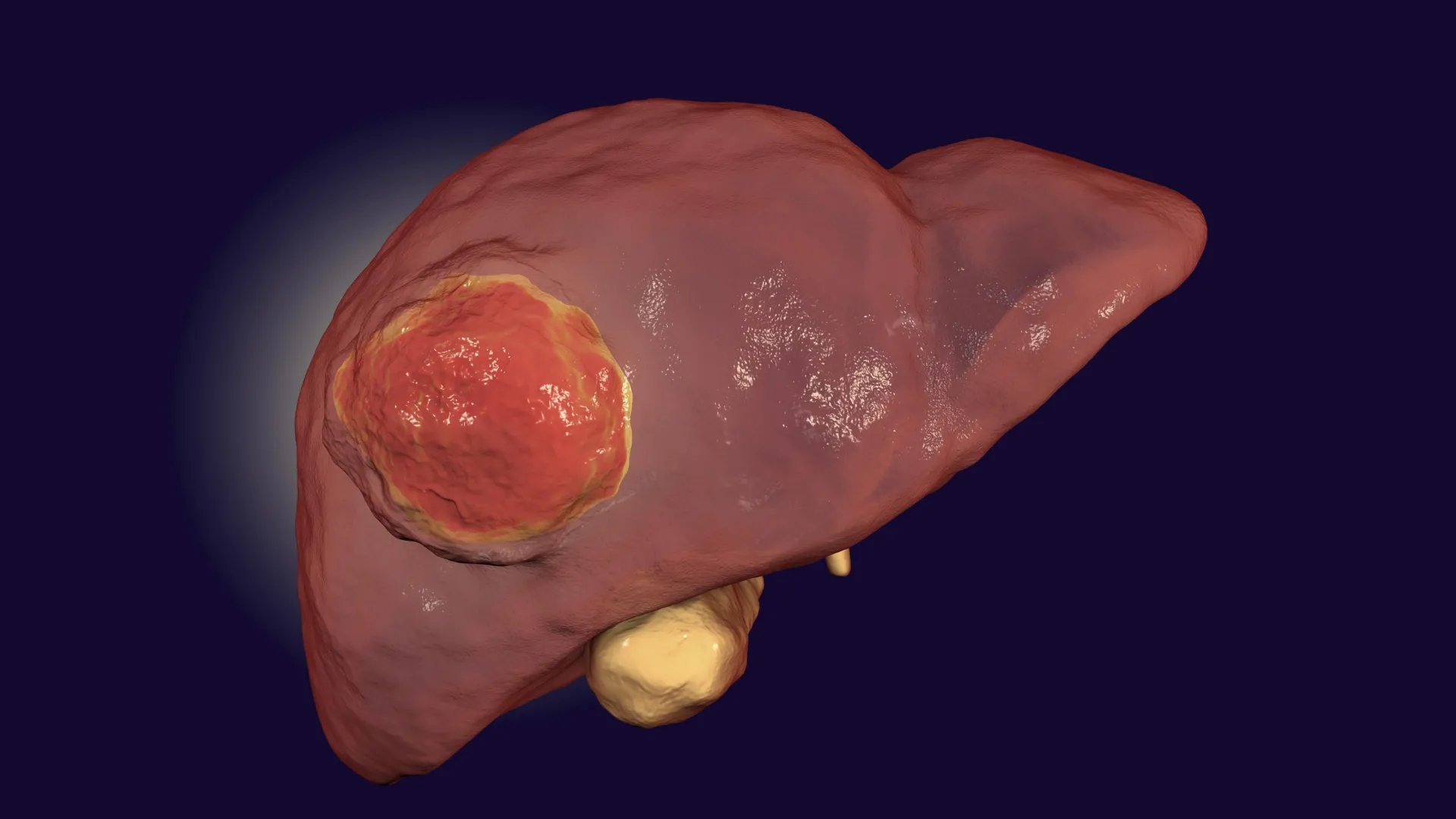
In the landscape of oncology, few diagnoses are as daunting as fibrolamellar carcinoma (FLC). A rare, aggressive form of liver cancer that disproportionately strikes children and young adults, FLC has long been a "black box" for medical researchers. Because it is often diagnosed only after metastasizing, and because it has historically proven resistant to the cutting-edge immunotherapy treatments that have revolutionized care for other malignancies, the prognosis for patients has remained grim.
However, a breakthrough study published in the journal Gastroenterology has fundamentally altered our understanding of how this cancer survives. By leveraging advanced genetic mapping technology, researchers have uncovered a sophisticated defense mechanism used by FLC to evade the immune system. More importantly, the team has identified an existing, FDA-approved drug capable of dismantling this defense, potentially opening the door to life-saving clinical trials.
The Mechanisms of Evasion: Understanding T-Cell Exclusion
To understand why traditional immunotherapy has failed to treat fibrolamellar carcinoma, one must first understand how modern cancer therapy works. Immune checkpoint inhibitors are designed to "take the brakes off" the body’s T cells, the specialized soldiers of the immune system. Once unleashed, these T cells are meant to infiltrate a tumor and destroy malignant cells.
For many cancers—including melanoma, lung, and kidney cancers—this approach has been transformative. Yet, for FLC and other "cold" tumors like pancreatic or prostate cancer, these drugs often fall flat. The new research, co-led by Praveen Sethupathy of Cornell University and Dr. Venu Pillarisetty of the University of Washington, explains why: the tumor is effectively building a barricade.
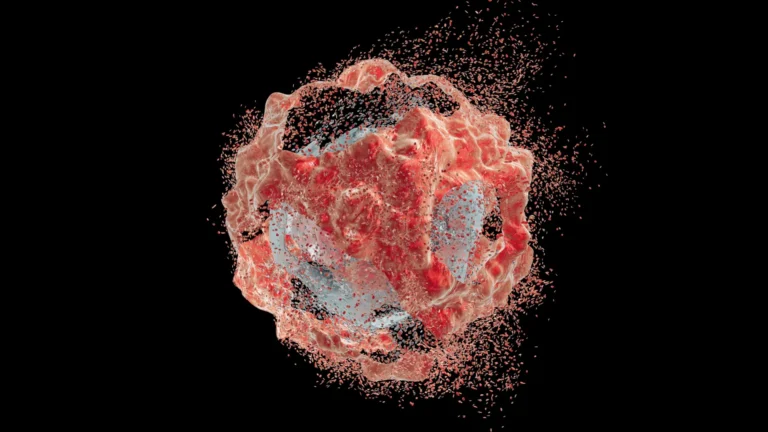
The study reveals that FLC tumors undergo a process known as "T-cell exclusion." Rather than being blocked by a physical wall, the immune cells are chemically diverted. Through sophisticated signaling, the cancer prevents T cells from entering the tumor’s core, trapping them in the surrounding environment. By keeping the "soldiers" at the gates, the tumor remains shielded from the body’s natural defenses, allowing the cancer to proliferate unchecked.
Advanced Technology: Peering into the Tumor Microenvironment
The discovery was made possible only through the application of single-nucleus transcriptomics—a high-resolution technology that allows scientists to isolate the nucleus of individual cells within a tumor and analyze their specific gene expression.
"It wasn’t until we were able to use this technology that the picture of the tumor microenvironment began to clear up for us," explains Andreas Stephanou, a Cornell graduate student and co-first author of the study.
By mapping the genetic activity of thousands of individual cells, the research team was able to witness the internal "social network" of the tumor. They discovered that the hallmark of FLC—the thick, fibrous bands that give the cancer its name—are not merely structural remnants. Instead, these bands are active components of the tumor’s defense strategy.
The researchers identified that stellate cells, which are normal components of the liver, are hijacked by the cancer. Once altered, these stellate cells begin producing fibrous proteins that form the characteristic bands while simultaneously emitting chemical signals that act as a "do not enter" sign for incoming T cells. This molecular deception is what allows the tumor to remain invisible to the immune system.
Chronology of a Breakthrough
The path to this discovery was a multi-year effort that bridged genomics and surgical oncology.
- The Problem Identification: For years, clinical observations showed that FLC patients did not respond to standard immune checkpoint inhibitors. The central question remained: why are these immune cells failing to infiltrate the tumor?
- The Genomic Mapping (2022–2023): The research team utilized single-nucleus transcriptomics to analyze samples of fibrolamellar carcinoma. This phase confirmed the presence of T-cell exclusion and identified the role of the stellate cells in the signaling process.
- The Intervention Strategy: Recognizing the signaling pathway responsible for this exclusion, the team hypothesized that blocking this specific communication channel might restore immune access.
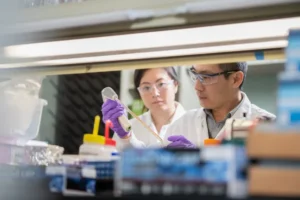
- The Laboratory Validation (2023–2024): In the Pillarisetty laboratory at the University of Washington, researchers tested the drug AMD3100 on patient tumor slices. The results were immediate and striking: the drug effectively "unlocked" the tumor, allowing T cells to migrate into the center of the tissue.
- The Current Phase (2024–Present): With the efficacy of the drug demonstrated in tissue models, the research team is currently shifting focus toward engaging clinical specialists to translate these findings into human trials.
Supporting Data: The Impact of AMD3100
The drug in question, AMD3100 (also known as Plerixafor), is already FDA-approved for use in other medical contexts, most notably in stem cell mobilization. Its repurposing for FLC represents a classic example of "drug repositioning," a strategy that drastically reduces the time and safety concerns associated with developing new medications from scratch.
When the researchers applied AMD3100 to tumor slices, they observed a significant restoration of T-cell infiltration. More importantly, when they paired the drug with traditional immune checkpoint inhibitors, they observed a synergistic effect. The drug acted as the "key" to open the door, and the checkpoint inhibitors acted as the "fuel" to boost the T cells’ killing capacity. This combination led to a marked increase in tumor cell death in laboratory conditions, providing the first concrete roadmap for how to successfully treat this cancer in a clinical setting.
Official Responses and Expert Perspective
The implications of this study are significant, as they challenge the prevailing assumption that all cancers respond to the same immunotherapy protocols.
"Our results provide among the first indications of why a type of immunotherapy called immune checkpoint inhibition hasn’t worked well in these patients," says Praveen Sethupathy, chair of the Department of Biomedical Sciences at Cornell. "Even if this particular drug isn’t the end-all-be-all, it teaches us that this T-cell exclusion phenomenon is an important one to tackle in fibrolamellar carcinoma."
Dr. Venu Pillarisetty, the surgical oncologist who co-led the study, emphasized the clinical urgency. "We are dealing with a disease that primarily affects young people who are otherwise healthy. Every step forward in understanding the tumor microenvironment is a step toward a potential cure."
The researchers stress that while the data is compelling, the jump from laboratory tissue to human patient trials requires careful preparation. They are now actively seeking partnerships with oncologists specializing in rare liver cancers to design protocols that maximize safety and therapeutic output.
Implications for Future Oncology
The findings regarding fibrolamellar carcinoma extend beyond this specific cancer. The mechanism of T-cell exclusion is a major hurdle in the treatment of many of the world’s most lethal cancers, including pancreatic and brain tumors. By proving that a pre-existing drug can reverse this exclusion, the study offers a blueprint that could potentially be applied to a wider range of solid tumors.
Furthermore, the study highlights the necessity of "precision oncology." By looking beyond the tumor cells themselves and examining the entire microenvironment—the fibrous bands, the hijacked stellate cells, and the chemical signaling—researchers are uncovering new targets for treatment that were previously invisible.
For the community of FLC patients and their families, the news offers a tangible spark of hope. As the Fibrolamellar Cancer Foundation continues to support this research, the prospect of moving from a "no-cure" diagnosis to a treatable condition seems closer than it has ever been. By stripping away the tumor’s defenses, science is finally giving the immune system a fighting chance.
As the research team moves toward clinical trials, the medical community will be watching closely. If AMD3100 proves effective in humans, it will not only provide a new lease on life for FLC patients but will also reinforce the immense value of using existing, well-understood medications to solve some of the most complex puzzles in modern medicine.