







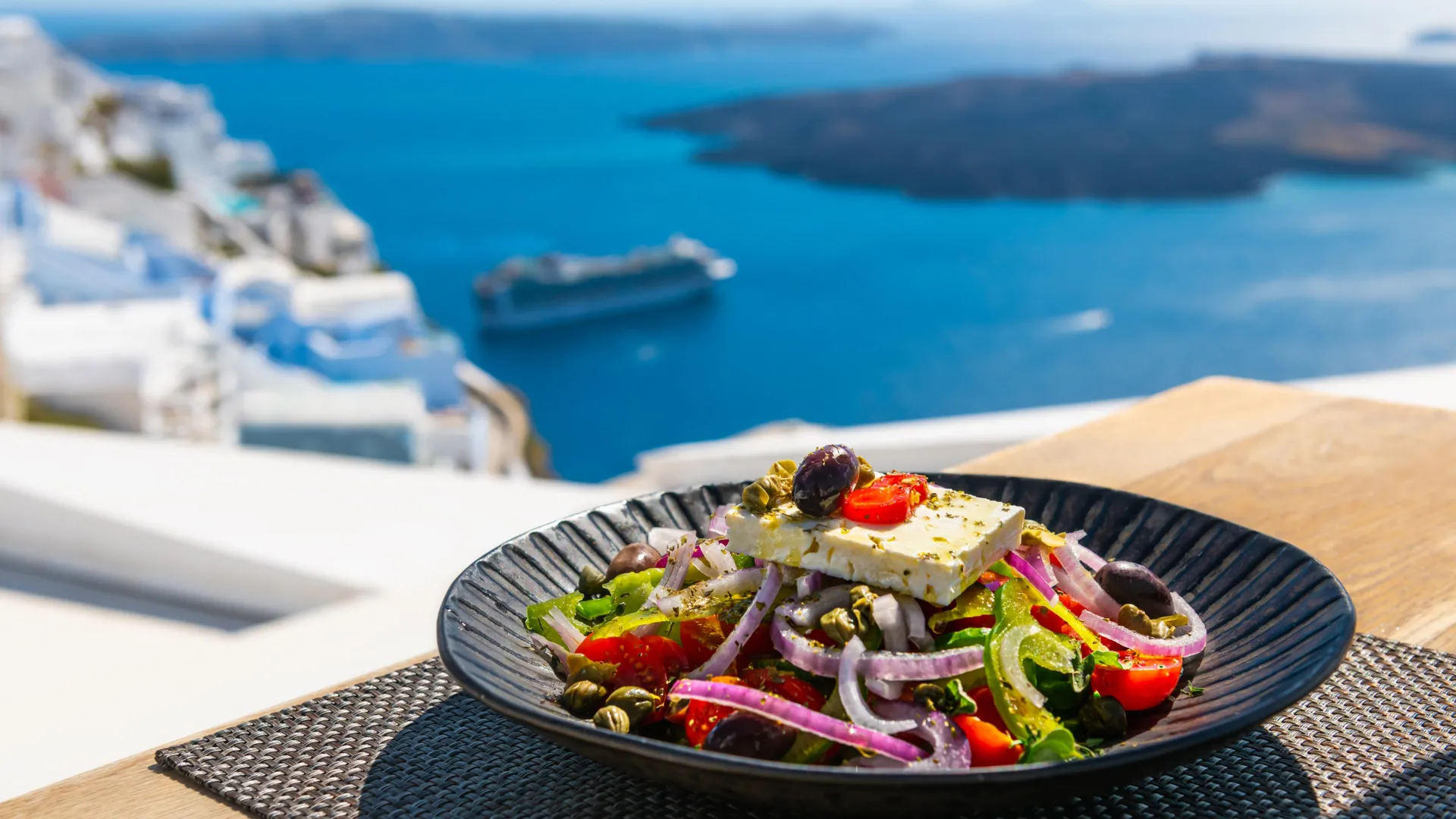
For decades, the Mediterranean diet has been heralded by nutritionists and cardiologists as the "gold standard" for healthy aging. From the sun-drenched coasts of Italy and Greece to the clinical settings of major research hospitals, the consensus has been clear: a regimen rich in olive oil, legumes, fish, and whole grains is a potent defense against the ailments of modern life. Yet, while the clinical outcomes—reduced cardiovascular disease, lower rates of type 2 diabetes, and sharpened cognitive function—have been well-documented, the precise "how" has remained somewhat elusive.
A groundbreaking new study led by researchers at the USC Leonard Davis School of Gerontology has finally begun to bridge the gap between ancient dietary wisdom and cutting-edge molecular biology. The study reveals that the Mediterranean diet may exert its life-extending effects through an unexpected biological pathway involving tiny, previously overlooked proteins produced deep within our mitochondria.
The Mitochondrial Connection: Unlocking the Power of Microproteins
Mitochondria are universally recognized as the "powerhouses of the cell," the structures responsible for generating the chemical energy required for all life processes. However, as the field of gerontology evolves, scientists are increasingly viewing these organelles as far more than just energy factories. Mitochondria act as sophisticated signaling hubs, releasing chemical messengers that orchestrate metabolism, inflammation, stress responses, and, ultimately, the pace at which we age.
The USC study, published in Frontiers in Nutrition, identifies two specific mitochondrial microproteins—humanin and SHMOOSE—as critical players in this process. Researchers found that older adults who most strictly adhered to a Mediterranean eating pattern exhibited significantly higher circulating levels of these proteins in their blood.
These microproteins are not mere metabolic byproducts; they are powerful molecular sentinels. Previous research has associated them with protection against cardiovascular disease and the prevention of neurodegeneration, the slow, devastating erosion of nerve cell function that characterizes conditions like Alzheimer’s disease.
A Chronology of Discovery: From "Junk DNA" to Vital Regulators
The path to this discovery was decades in the making, rooted in the pioneering work of USC Leonard Davis School Dean Pinchas Cohen. To understand the significance of humanin and SHMOOSE, one must first understand the unique genetic architecture of the mitochondria.
While the vast majority of our genetic instructions are stored in the cell’s nucleus, mitochondria carry a small, distinct genome inherited separately. For years, segments of this mitochondrial DNA were dismissed by many in the scientific community as "non-coding" or "junk" regions, believed to have no biological function.
The Timeline of Scientific Advancement
- 2003: Dr. Pinchas Cohen and his team identify humanin, the first of these mitochondrial-derived peptides. It marks a paradigm shift in how scientists view mitochondrial DNA.
- 2003–2020: Decades of longitudinal research connect humanin to improved insulin sensitivity, extended lifespan, and the preservation of cognitive function.
- The Mid-2010s: The laboratory discovers SHMOOSE (Small Human Mitochondrial ORF Over SErine tRNA). Genetic studies reveal that specific variants of SHMOOSE are linked to Alzheimer’s risk, while the "normal" form acts as a protective shield for neurons against amyloid plaques.
- March 2026: The current study establishes the bridge between these peptides and nutrition, suggesting that our dietary choices are the "instruction manual" that dictates how these proteins are expressed.
Supporting Data: Dissecting the Mediterranean Effect
The research team, led by instructional associate professor Roberto Vicinanza, analyzed blood samples from a cohort of older adults with varying degrees of adherence to the Mediterranean diet. The data provided a clear, quantitative link between specific food groups and the concentration of these mitochondrial messengers.
Dietary Components and Their Impact
The study highlights that the Mediterranean diet is not a monolith; rather, it is a symphony of specific inputs that drive different biological outputs:
- Olive Oil, Fish, and Legumes: Higher consumption of these staples was strongly associated with increased levels of humanin.
- Olive Oil and Carbohydrate Control: A combination of high olive oil intake and a reduction in refined carbohydrates (such as white bread, pastries, and sugar-heavy products) was directly correlated with elevated SHMOOSE levels.
Refined carbohydrates, which lack the fiber and nutrients of their whole-grain counterparts, are notorious for causing rapid blood sugar spikes. By limiting these, the study suggests that we may be preventing the metabolic stress that suppresses the production of protective microproteins.
Furthermore, the team identified a novel connection between humanin and Nox2, an enzyme that triggers the production of reactive oxygen species (ROS). When ROS levels are too high, they cause "oxidative stress"—a state of cellular damage that ravages proteins, fats, and DNA. The study suggests that higher levels of humanin act as a brake on Nox2, effectively lowering oxidative stress and providing a previously unknown layer of cardiovascular protection.
Official Responses: Translating Biology into Clinical Practice
The implications of this research are being felt across both the medical and nutritional communities. For Dr. Roberto Vicinanza, the study validates a long-held belief that healthy eating is an evolutionary necessity.
"These microproteins may act as molecular messengers that translate what we eat into how our cells function and age," Vicinanza stated. "It’s a new biological pathway that helps explain why the Mediterranean diet is so powerful. We are essentially connecting centuries-old dietary traditions with cutting-edge molecular biology."
Dean Pinchas Cohen emphasized the clinical utility of these findings, noting that humanin and SHMOOSE could eventually serve as vital biomarkers. A biomarker is a measurable indicator of a biological state; in this case, these proteins could allow doctors to objectively measure how well a patient is responding to a dietary intervention, moving medicine away from guesswork and toward precision.
"These peptides are emerging as key regulators of aging biology," Cohen remarked. "They connect mitochondrial function to diseases like Alzheimer’s and heart disease and now, potentially, to nutrition. If we can harness these pathways, we may be able to design nutritional strategies that promote healthy aging at the molecular level."
The Path Forward: Toward Precision Nutrition
While the findings are compelling, the researchers are careful to frame them within the context of a "developing field." As an observational study, it establishes strong correlations but cannot yet definitively prove causality. Future clinical trials will be necessary to determine if intentionally increasing these peptides through diet can directly reverse disease markers in human subjects.
The Broader Impact
Beyond the lab, the study has sparked a global conversation about the sustainability of our food systems. Dr. Vicinanza has been instrumental in collaborating with international bodies, such as the Municipality of Pollica, Italy, to establish the International Day of the Mediterranean Diet (observed annually on November 16).
The goal is to frame the Mediterranean diet not just as a medical prescription, but as a holistic model for cultural and environmental sustainability. By favoring minimally processed foods—foods that our ancestors and our ancient cellular organelles are biologically adapted to process—we may be creating the optimal environment for longevity.
Implications for the Future
The move toward "precision nutrition" is the ultimate goal. By analyzing an individual’s genetic markers and their unique mitochondrial response to food, clinicians hope to create highly personalized diets. Instead of "one-size-fits-all" nutritional guidelines, the future of aging may involve dietary plans designed to optimize the expression of specific mitochondrial microproteins, effectively turning our cells into more efficient, resilient, and long-lasting systems.
As we continue to decode the "language" of our mitochondria, the humble olive and the modest legume may be seen in a new light: not just as food, but as fundamental tools of molecular medicine. The Mediterranean diet, it seems, has been protecting our hearts and minds by whispering to our cells for thousands of years—we are only just now learning how to listen.