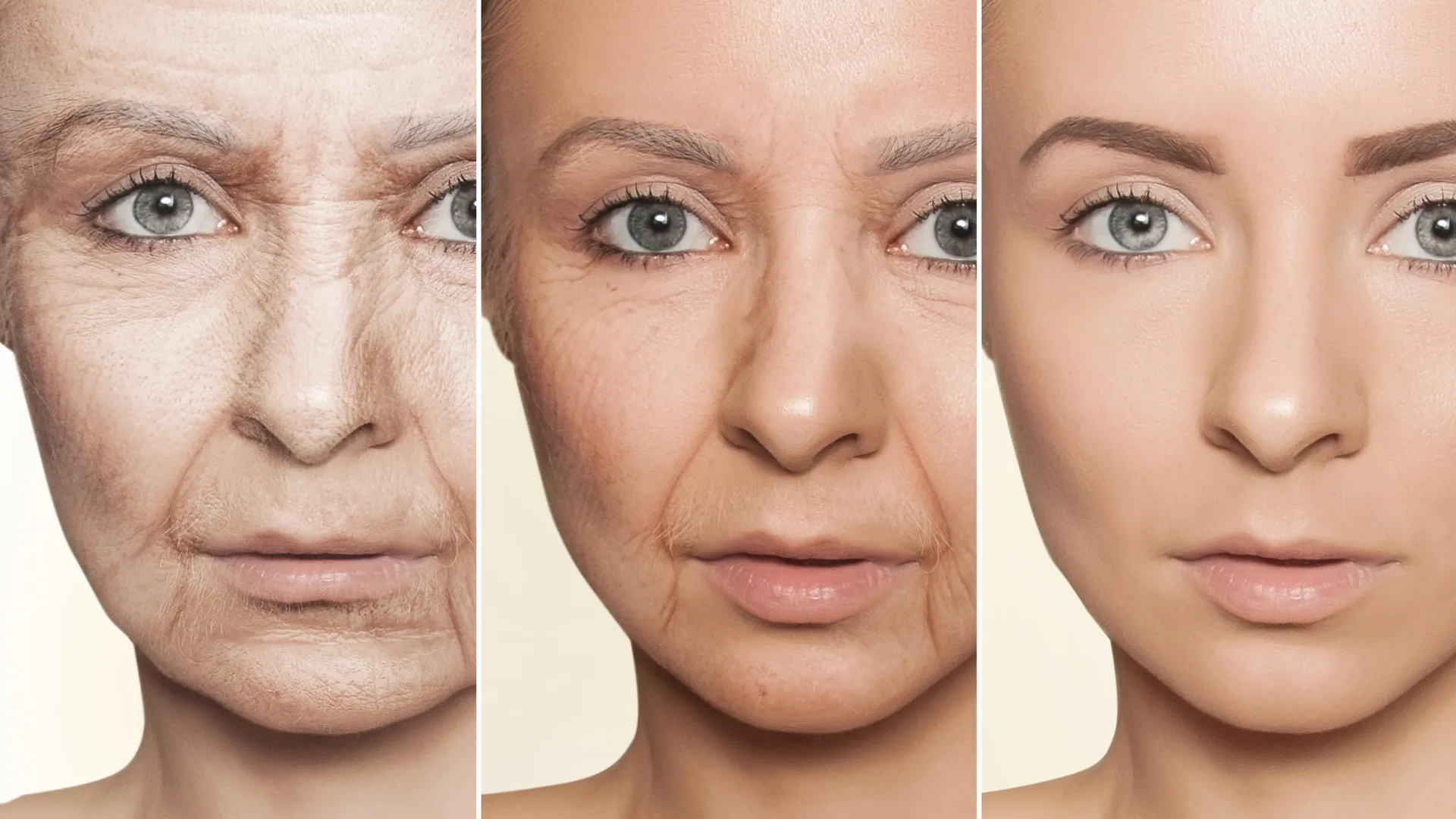
For decades, the scientific community viewed aging as a slow, inevitable accumulation of cellular "wear and tear"—a passive degradation of the body’s machinery. However, a groundbreaking study published in the journal PLOS Biology is challenging this paradigm. Researchers have identified a specific protein, Menin, which appears to function as a master biological switch within the brain, dictating the pace at which the body ages. By manipulating this protein in mice, researchers were able to not only trigger age-related decline but, more remarkably, reverse it, offering a tantalizing glimpse into a future where aging might be treated as a manageable biological condition rather than an inescapable fate.
The Hypothalamic Command Center
The discovery centers on the hypothalamus, a small, almond-sized region at the base of the brain that has long been recognized as the body’s primary regulatory hub. The hypothalamus governs essential survival functions, including metabolism, hormonal balance, body temperature, sleep cycles, and the body’s physiological response to stress.
Increasingly, the scientific consensus is shifting toward the idea that the hypothalamus acts as a "central command center" for systemic aging. Rather than every organ aging independently, the hypothalamus may be broadcasting signals that orchestrate the decline of the entire body. The latest research, led by Lige Leng and a team of scientists at Xiamen University in China, provides some of the most compelling evidence to date that this brain region holds the keys to biological timekeeping.
Chronology of the Discovery
The path to identifying Menin as an anti-aging protein was methodical, rooted in the observation of neuroinflammation—the chronic, low-grade inflammation in the brain that is a hallmark of many age-related diseases.
Phase 1: Identifying the Decline
The researchers began by analyzing the expression of proteins in the hypothalamus of mice across different age groups. They noted a consistent and sharp decline in the presence of Menin—a protein known for its role in suppressing inflammation—specifically within the neurons of the ventromedial hypothalamus (VMH). Interestingly, this decline was localized; Menin levels remained stable in neighboring support cells, such as astrocytes and microglia, suggesting that the protein’s role is highly specific to neuronal health and metabolic regulation.
Phase 2: Simulating Premature Aging
To understand the consequences of this protein loss, the team engineered mice in which Menin activity could be selectively reduced. The results were dramatic. Mice that lacked sufficient Menin began to display accelerated aging phenotypes. They exhibited systemic inflammation, thinning skin, significant loss of bone mass, impaired balance, and severe cognitive deficits. Most notably, these genetically modified mice had a significantly shorter lifespan compared to their normal counterparts. This phase of the study cemented the hypothesis that Menin is not merely a byproduct of aging but a vital protective factor that keeps the aging process in check.
Phase 3: The Restoration Experiment
The final phase of the research sought to answer a question of profound clinical importance: can the aging clock be wound back? The team delivered the Menin gene directly into the hypothalamus of elderly mice—animals roughly 20 months old, which corresponds to the "senior" stage of life for a rodent.
Within 30 days of the treatment, the researchers observed a remarkable rejuvenation. The mice showed measurable improvements in learning, memory, and physical coordination. Furthermore, their skin thickness and bone density improved, signaling that the intervention had positive effects not just on the brain, but on the entire body.
Supporting Data: The D-Serine Link
One of the most surprising dimensions of the study was the identification of a secondary, downstream mechanism: the amino acid D-serine. The researchers found that when Menin levels dropped, the production of D-serine also plummeted.
D-serine acts as a vital neurotransmitter, facilitating communication between neurons and enabling synaptic plasticity—the brain’s ability to rewire itself in response to new information. Because synaptic plasticity is fundamental to memory and learning, the loss of D-serine provides a clear biological explanation for the cognitive decline observed in the study.
The team confirmed this by supplementing the older mice with D-serine directly. While D-serine supplementation did not reverse physical signs of aging like bone loss, it did significantly boost cognitive performance. This finding is critical because it suggests that Menin controls aging through a complex network of pathways; while D-serine is a key player in cognitive health, Menin’s influence on physical systemic aging likely involves a broader array of biological signals.
Official Perspectives and Expert Commentary
Dr. Lige Leng, the study’s lead author, highlighted the significance of these findings in a recent statement. "We speculate that the decline of Menin expression in the hypothalamus with age may be one of the driving factors of aging," Leng noted. "Menin may be the key protein connecting the genetic, inflammatory, and metabolic factors of aging. D-serine is a potentially promising therapeutic for cognitive decline."
The research has sent ripples through the gerontology community. By connecting the dots between genetic expression, neuroinflammation, and metabolic health, the study provides a new framework for understanding why the body fails over time. The findings align with other recent research, such as a 2024 study published in Nature Communications, which revealed that the hypothalamus undergoes distinct epigenetic changes—modifications to DNA that alter gene expression—that influence pathways involving oxytocin and growth hormones. Together, these studies suggest that aging is an active, regulated process rather than a passive decay.
Implications for Future Medicine
While the results in mice are nothing short of revolutionary, scientists are urging caution. The transition from rodent models to human clinical applications is fraught with complexity.
The Challenge of Human Application
The hypothalamus is a highly sensitive and delicate area of the brain. Altering its signaling pathways carries inherent risks. Because the brain controls so many essential life functions, even a small, unintended side effect could have systemic consequences. Researchers emphasize that we do not yet understand the long-term impact of maintaining elevated Menin levels, nor do we know if D-serine supplementation in humans would be safe or effective over extended periods.
Ethical and Practical Considerations
The prospect of "curing" aging raises significant ethical questions. If researchers can successfully target the hypothalamic switch, society will need to grapple with the implications of significantly extended lifespans. Furthermore, the researchers point out that D-serine is already available as a dietary supplement—found in foods like eggs, soybeans, and nuts—but taking supplements without medical supervision is ill-advised. The dosage required to achieve the cognitive benefits seen in the mice may be far higher than what is found in a typical diet or standard over-the-counter supplement, and the risk of toxicity remains an unknown factor.
A New Era of Anti-Aging Research
Despite the necessary caveats, the study marks a pivotal shift. For decades, anti-aging research was relegated to the fringes of science, often associated with cosmetic interventions or fringe lifestyle trends. Today, aging is being approached as a targetable biological pathway.
If future research can confirm that Menin or its downstream pathways are viable targets in humans, we may be looking at a future where neurodegenerative diseases like Alzheimer’s—and perhaps the physical frailty of old age itself—can be mitigated through precise, targeted molecular therapy.
The research conducted at Xiamen University provides a blueprint for what that future might look like. By identifying the "master clock" in the hypothalamus, scientists are finally moving from observing the symptoms of aging to potentially manipulating the gears that turn it. As investigations continue, the medical community will be watching closely to see if this "hidden switch" can eventually be translated into a life-changing treatment for the millions of people suffering from the cognitive and physical decline of aging.
For now, the study stands as a testament to the power of modern molecular biology to deconstruct one of the greatest mysteries of human existence: why we grow old, and whether we might eventually have the power to stop it.