








By Investigative Health Desk
July 18, 2026
In a rapidly evolving public health crisis, California-based produce giant Taylor Farms has significantly expanded a voluntary recall of its iceberg lettuce products. The move comes as federal health officials scramble to contain a multistate outbreak of Cyclospora cayetanensis, a microscopic parasite that has triggered a sharp spike in intestinal illnesses across the United States.
The recall specifically targets iceberg lettuce sourced from central Mexico, a region now identified as the nexus of a contamination event that has already caused widespread disruption in the food supply chain. As of Friday, the recall affects 25 different shredded lettuce and salad mix products sold under eight distinct brand codes. These products have been distributed to 27 states, including major population hubs such as Texas, Florida, Pennsylvania, Illinois, and New Jersey.
The Scope of the Crisis: A Chronology of Events
The current situation is the result of a month-long investigation into an alarming surge in foodborne illness reports. While the CDC typically tracks seasonal fluctuations in Cyclospora, the 2026 data indicates an unprecedented escalation.
- Early July 2026: Health departments across the Midwest began reporting clusters of gastrointestinal illness characterized by severe, frequent, and often "explosive" bowel movements.
- July 14, 2026: The Centers for Disease Control and Prevention (CDC) formally linked the illnesses to shredded lettuce served at Taco Bell restaurants in five states: Indiana, Kentucky, Michigan, Ohio, and West Virginia.
- July 15, 2026: Taco Bell confirmed it had removed the contaminated product from its supply chain nationwide, citing a swift internal audit and coordination with federal investigators.
- July 17, 2026: Taylor Farms, the supplier for the affected Taco Bell locations, initiated an initial recall.
- July 18, 2026: The scope of the recall was dramatically expanded to include broader distribution channels after investigators confirmed that the contamination originated from specific lots sourced from central Mexico.
Sysco, the nation’s largest food distributor, has taken the aggressive step of halting all distribution of Taylor Farms iceberg lettuce sourced from Mexico. The company has issued a "destroy" order to its customers, signaling the severity with which the industry is treating this specific batch of produce.
Understanding the Pathogen: What is Cyclospora?
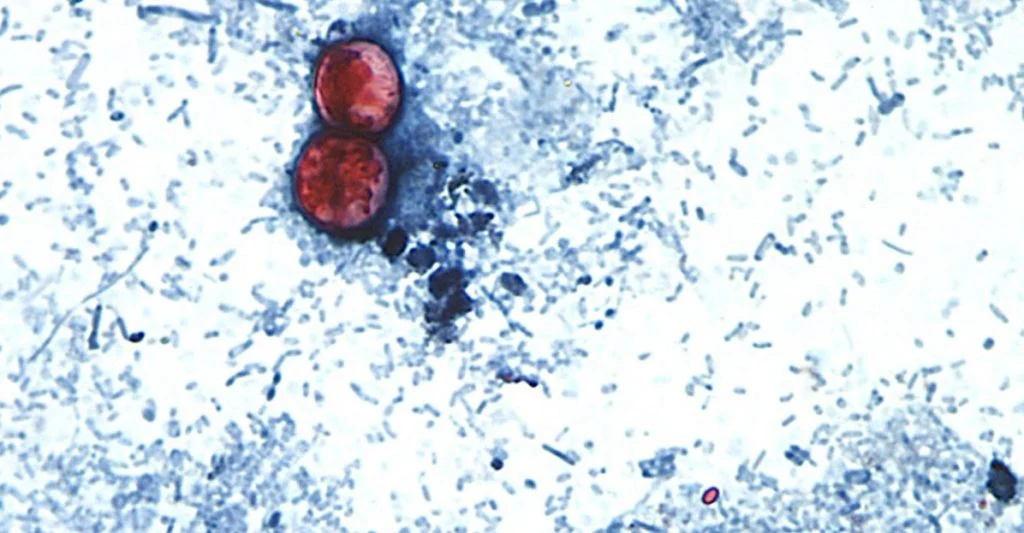
Cyclospora cayetanensis is a single-celled parasite that is invisible to the naked eye. Unlike bacteria such as E. coli or Salmonella, which can cause rapid onset of symptoms, Cyclospora often has an incubation period of about a week, making it notoriously difficult for patients to trace back to a specific meal.
The parasite is transmitted through the ingestion of food or water contaminated with human feces. In the context of large-scale agriculture, this contamination typically occurs during the irrigation process or when produce is washed with water tainted by upstream fecal runoff.
Once inside the human intestinal tract, the parasite causes cyclosporiasis. Symptoms include:
- Watery, frequent diarrhea.
- Loss of appetite and significant weight loss.
- Cramping, bloating, and increased gas.
- Nausea and fatigue.
- Low-grade fever.
If left untreated, symptoms can last for several weeks or even months, often exhibiting a "relapsing" nature where patients feel better for a few days before symptoms return with renewed intensity.
Supporting Data: The 2026 Outbreak in Perspective
The statistical trajectory of the 2026 Cyclospora outbreak has left public health experts deeply concerned. According to the latest CDC figures, at least 1,645 people have been confirmed ill, with 141 individuals requiring hospitalization.
Perhaps most alarming is the contrast to previous years. At this same point in the calendar in 2025, only 249 cases had been reported nationwide. This represents a nearly sevenfold increase in confirmed infections year-over-year. Furthermore, the CDC is currently investigating an additional 5,000 cases that share the clinical profile of cyclosporiasis, suggesting that the final tally of the outbreak could be significantly higher as epidemiological tracing continues.
The demographic spread—reaching 27 states—highlights the vulnerability of the modern, centralized food supply chain. A single contamination point in a Mexican growing region can, within days, impact supermarket shelves and restaurant kitchens from the Atlantic seaboard to the Gulf Coast.
Official Responses and Corporate Accountability
The response from both the private sector and federal agencies has been characterized by high-stakes mitigation.
Taylor Farms, in its official statement released Friday, noted, "We are actively removing the implicated products from the marketplace and have ceased all sourcing from the specific lots in central Mexico identified by health officials." However, the company has faced criticism for a lack of transparency; they have not yet provided a comprehensive list of the specific brand names or retail outlets where the recalled products were sold, leaving many consumers to rely on generic descriptions of "shredded lettuce" and "salad mixes."
Taco Bell’s response has been focused on isolating their brand from the broader distribution failure. "Taco Bell worked swiftly to voluntarily remove the product from restaurants, and the affected ingredient has been removed from our supply chain nationwide," the company stated.
Federal health officials continue to caution that the "best by" dates on some of the recalled products extend as late as August 3, 2026. This means that despite the recall, some contaminated product may still be sitting in home refrigerators or in the storage coolers of small, independent restaurants that have not yet processed the recall notice.
Implications for the Future of Food Safety
This outbreak serves as a stark reminder of the limitations of modern food safety surveillance. Because Cyclospora is a parasite rather than a bacteria, standard wash processes often fail to eliminate it. The reliance on water sources in regions with variable sanitation infrastructure creates a permanent risk factor for the fresh produce industry.
The Challenge of Traceability
The difficulty in identifying the exact brand names of the recalled products highlights a systemic issue regarding traceability. While large distributors like Sysco are capable of tracking batches with high precision, the "last mile" of the supply chain—the grocery shelf—is where communication often breaks down. When a major supplier like Taylor Farms packages product under various private labels, the consumer is often unaware of the actual source of their salad.
Policy and Oversight
Consumer advocacy groups are already calling for increased oversight of imported produce. In the wake of this outbreak, there is likely to be renewed pressure on the FDA to implement stricter mandatory testing for parasites in produce imports from regions identified as high-risk.
The economic implications are also severe. With thousands of illnesses and a major hit to consumer confidence, the produce industry faces a difficult recovery. As the investigation into the 5,000 additional suspected cases continues, the CDC is expected to issue further guidance regarding how to properly wash produce—though, notably, experts often emphasize that washing cannot guarantee the removal of Cyclospora.
What Consumers Should Do
For those concerned about potential exposure:
- Check your refrigerator: If you have purchased shredded lettuce or bagged salad mixes recently, check the packaging against the manufacturer’s recall list if available.
- Monitor health: If you experience severe, persistent diarrhea, consult a healthcare provider. Inform them specifically about the potential for Cyclospora exposure, as standard diagnostic tests for common foodborne illnesses like Salmonella do not always screen for parasites.
- Discard suspect items: When in doubt, discard any lettuce sourced from Mexico until federal authorities confirm that the contamination issues have been fully remediated.
As the summer progresses, the CDC and the FDA remain in a state of high alert. The goal remains to prevent the 2026 season from becoming the deadliest year on record for cyclosporiasis in the United States. For now, the focus is on clearing the supply chain and ensuring that the "best by" dates currently on the market do not lead to further infections.