




In the rapidly evolving landscape of oncology, the rise of immunotherapy has fundamentally altered the trajectory of cancer care. Yet, for patients diagnosed with aggressive T-cell lymphomas, the progress remains frustratingly stagnant. It is within this clinical void that Dr. Federico Mario Aletti, a physician-scientist at The University of Texas MD Anderson Cancer Center, is working to rewrite the prognosis for those facing the most challenging forms of the disease.
Through a research initiative supported by the Lymphoma Research Foundation, Dr. Aletti is pioneering a next-generation chimeric antigen receptor (CAR) T-cell therapy. His work represents a critical shift in how we approach targeted oncology: moving beyond broad-spectrum interventions toward highly precise, molecularly defined therapies that promise to turn the tide against resistant malignancies.
The Genesis of a Mission: Clinical Observations in Milan
To understand the urgency driving Dr. Aletti’s current research, one must look back to his formative years as a resident at the San Raffaele Hospital at the Università Vita-Salute San Raffaele in Milan, Italy. While the oncology field celebrated breakthroughs in B-cell malignancies, Dr. Aletti witnessed a different reality in his clinical rotations.
"As I cared for individuals with T-cell lymphomas, I was struck by how limited the available treatment options remained and how often conventional chemotherapy failed to provide meaningful benefit," Dr. Aletti recalls. "Sitting with patients and families facing aggressive disease with few alternatives was one of the most challenging experiences of my training and left a lasting impression on me."
This realization became the catalyst for his career. In the sterile, high-pressure environment of the oncology ward, Dr. Aletti identified a systemic gap: the lack of targeted therapies for T-cell lymphoma meant that patients were often subjected to toxic, non-specific chemotherapy regimens that provided only temporary relief at a high cost to the patient’s quality of life. This frustration transformed into a professional mandate—to move from the bedside to the laboratory, seeking a molecular solution to a clinical stalemate.
Scientific Innovation: Targeting the Unseen
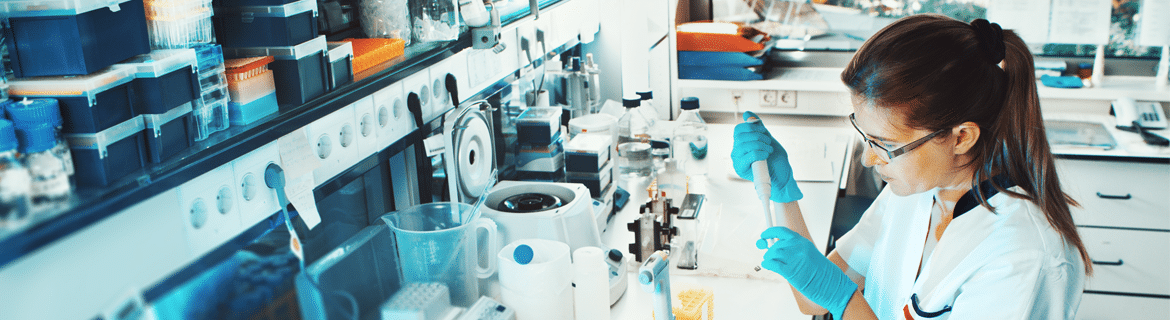
At the core of Dr. Aletti’s current research is the engineering of a novel CAR T-cell therapy. CAR T-cell therapy involves harvesting a patient’s own immune cells, genetically modifying them to recognize specific markers on cancer cells, and reinfusing them into the body.
The primary hurdle in treating T-cell lymphoma has historically been the risk of "off-target" effects. Because the therapy must target T-cells (the very cells that the CAR T-cells are derived from), there is a significant risk of the therapeutic cells destroying their healthy counterparts—a phenomenon known as "fratricide."
Dr. Aletti’s research aims to bypass this through the identification and targeting of KIR3DL2. By focusing on this specific surface protein, which is expressed on the surface of malignant lymphoma cells, Dr. Aletti is developing a "homing mechanism" that increases the selectivity of the treatment.
The Mechanism of Action:
- Target Identification: Utilizing KIR3DL2 as a unique "zip code" for the tumor cell.
- Engineering Precision: Modifying T-cells to express receptors that bind exclusively to KIR3DL2-positive cells.
- Reducing Collateral Damage: By ensuring the CAR T-cells ignore healthy T-cell populations, the therapy seeks to minimize the systemic toxicity that typically accompanies aggressive lymphoma treatments.
This approach is not merely an incremental step; it is a fundamental reimagining of how we treat hematologic cancers, prioritizing patient safety without sacrificing potency.
The Philosophy of the Physician-Scientist
Dr. Aletti’s career trajectory is built on the belief that the "ivory tower" model of research is obsolete. He advocates for a circular ecosystem where the laboratory informs the clinic, and the clinic, in turn, dictates the direction of the science.
"For me, clinical care and research are not separate paths but complementary and equally essential components of meaningful progress," Dr. Aletti asserts. "High-quality translational research must originate from real clinical needs, just as advances in patient care depend on rigorous and innovative science."

This philosophy drives his vision for a research program at MD Anderson that is fully integrated into his clinical practice. By maintaining a foot in both worlds, he ensures that the "real-world" needs of the patient—such as managing side effects and improving durability of response—are baked into the experimental design from the very first day.
Implications: A New Era for T-Cell Lymphoma
The implications of Dr. Aletti’s work are profound. T-cell lymphomas are notoriously difficult to treat, often presenting with high resistance to standard-of-care agents. If successful, a highly specific CAR T-cell therapy could provide a viable bridge to stem cell transplantation or, in some cases, serve as a curative monotherapy.
Beyond the specific therapeutic outcome, Dr. Aletti’s project serves as a model for how specialized oncology centers should approach rare or refractory diseases. By focusing on novel surface targets like KIR3DL2, he is opening the door for other researchers to identify similar markers in different types of blood cancers, potentially accelerating the development of a broader "toolbox" of immunotherapies.
Future Outlook: Translating Innovation into Benefit
As Dr. Aletti looks toward the next phase of his career, his focus remains steadfastly on the patient. His goal is to foster a research environment where creativity is not hindered by traditional departmental silos.
"I aim to continuously deepen both my clinical and scientific expertise, to remain closely connected to patients and their experiences, and to foster a research environment where creativity drives the development of new therapeutic strategies," he says.
The path from the laboratory bench to the FDA-approved bedside treatment is long and fraught with regulatory and scientific challenges. However, for patients who have exhausted all other options, researchers like Dr. Aletti represent the ultimate form of hope. His work suggests that the future of lymphoma care will not be found in more aggressive versions of existing treatments, but in the intelligent application of molecular biology to distinguish between what is malignant and what is essential for human life.
Supporting Data and Research Context
While the field of CAR T-cell therapy has seen monumental success in B-cell malignancies (such as ALL and DLBCL), the application to T-cell lymphomas has been slower. According to recent clinical data, the challenges in T-cell lymphoma are twofold:
- Target Selection: T-cell markers are often shared between cancerous and healthy cells, making it difficult to find a target that is truly "cancer-specific."
- Manufacturing Constraints: Harvesting T-cells from patients whose own T-cells are cancerous creates technical difficulties in expanding the cells in a laboratory setting.
Dr. Aletti’s focus on KIR3DL2 addresses the target selection issue directly. By narrowing the scope to this protein, he is effectively narrowing the window of toxicity, which could lead to shorter hospital stays for patients and lower rates of adverse events like Cytokine Release Syndrome (CRS).
Conclusion: A Commitment to the Individual
Ultimately, the goal of Dr. Aletti’s research is simple: to ensure that the scientific progress of the 21st century reaches the patient in the examination room.
"My ultimate goal is for these elements to converge in the delivery of high-quality, patient-centered care," Dr. Aletti concludes. "Ensuring that scientific innovation translates into tangible benefits for individuals affected by lymphoma is the primary motivation for every hour spent in the lab."
As he continues his work at MD Anderson, the oncology community will be watching closely. In the fight against aggressive T-cell lymphoma, the efforts of researchers like Dr. Aletti offer a compelling vision of the future—a future where "aggressive" no longer has to mean "untreatable." By bridging the divide between high-level science and human compassion, Dr. Aletti is not just researching a cure; he is crafting a new standard of care for patients when they need it most.