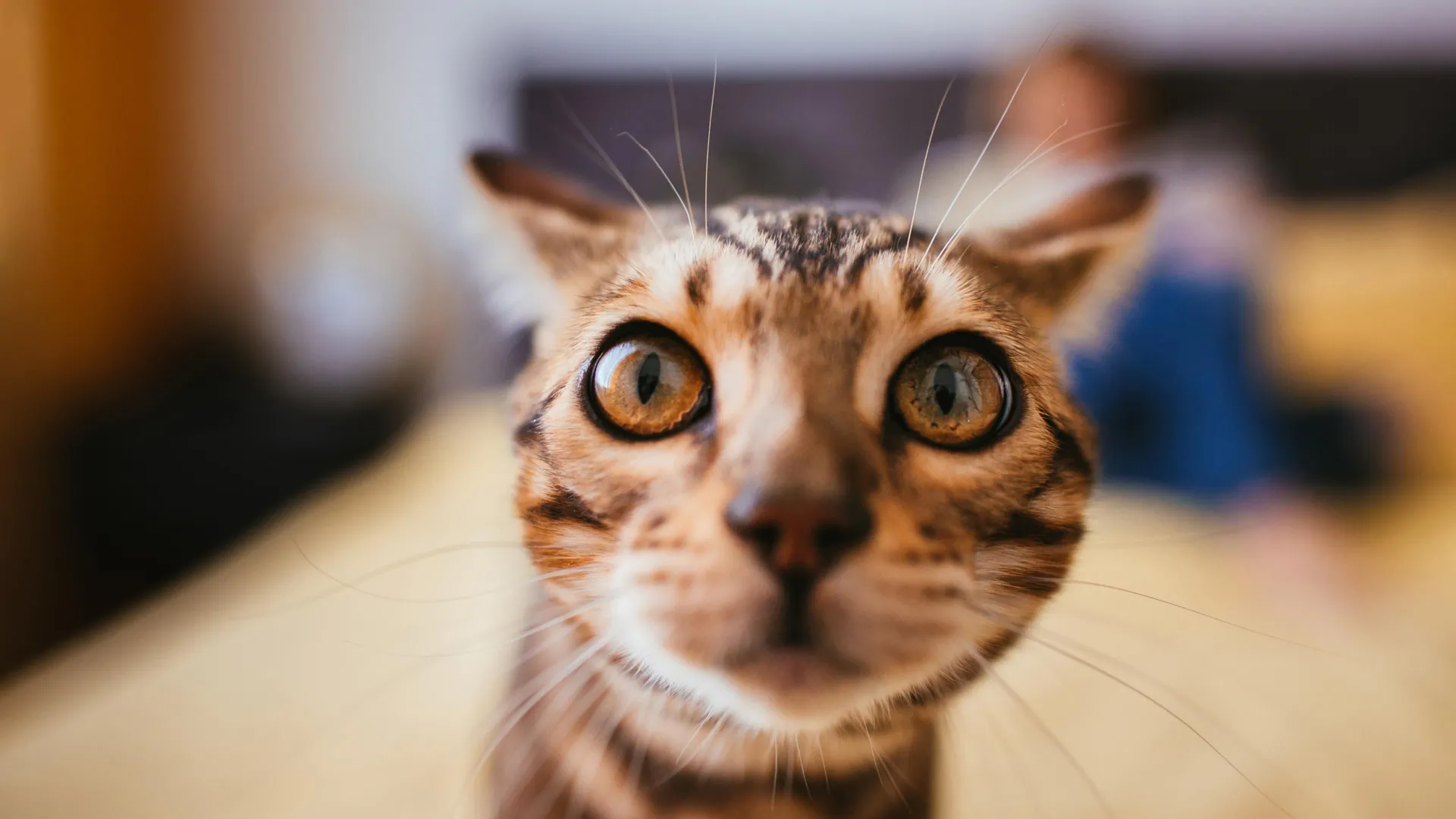
For decades, the domestic cat has been a silent companion to humanity, sharing our homes, our habits, and, unfortunately, our vulnerabilities. While cancer remains one of the leading causes of illness and mortality in feline populations, the biological mechanisms driving these tumors have long remained shrouded in a "genetic black box." Unlike human or canine oncology, which have benefited from decades of intensive genomic mapping, the feline landscape has been largely uncharted—until now.
In a landmark international study recently published in the journal Science, a collaborative team of researchers has unveiled the most comprehensive genetic analysis of feline cancer to date. By decoding the molecular signatures of tumors across nearly 500 domestic cats, scientists have not only opened the door to revolutionary veterinary treatments but have also created a vital bridge between veterinary and human medicine. This study marks a pivotal shift toward "precision oncology," promising a future where a cat’s treatment is as individualized as its genetic profile.
The Main Facts: Illuminating the "Black Box"
The research project, which represents a massive multi-institutional effort, sought to move beyond surface-level observations of feline tumors. By analyzing tumor samples from cats across five countries, the team aimed to identify the specific mutations and genetic drivers that cause cells to abandon their normal growth cycles and form malignant masses.
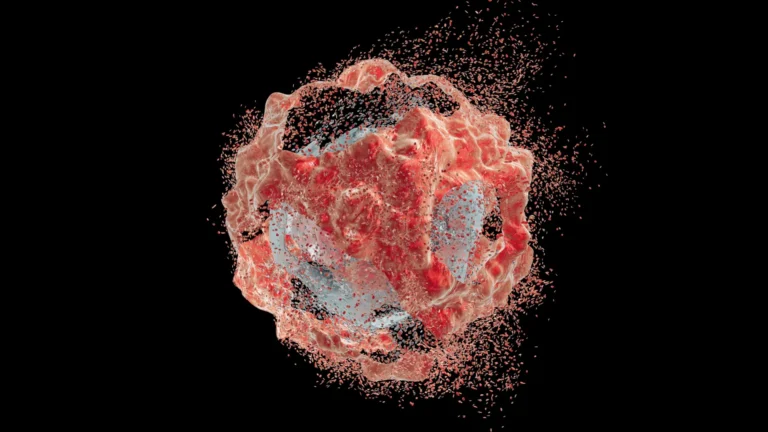
At the heart of the findings is the discovery that cat cancers are driven by genetic changes remarkably similar to those found in human and canine patients. Many of these mutations occur in "driver genes"—genes that regulate how cells divide, repair damage, and eventually die. When these genes are compromised, cells lose their regulatory "brakes," leading to the rapid, uncontrolled proliferation that defines cancer.
Perhaps the most significant takeaway from the study is the creation of a publicly accessible, comprehensive genetic database. This resource, now available to the global scientific community, provides a standardized roadmap for future research, effectively ending the era of data scarcity in feline oncology.
Chronology of the Study: From Diagnostic Samples to Genomic Breakthroughs
The genesis of this study lies in a pragmatic, resource-efficient approach to scientific inquiry. Rather than initiating a costly and invasive process of gathering new tissue samples, researchers leveraged existing medical archives.
- Phase I: Data Aggregation: The team, comprising experts from the Wellcome Sanger Institute, the University of Guelph’s Ontario Veterinary College, the University of Bern, and other global institutions, began by identifying and collating DNA from tumor tissues that had already been removed by veterinarians for routine diagnostic purposes.
- Phase II: Genomic Sequencing: Over the course of the study, the team performed large-scale sequencing on these samples. This allowed for a comparative analysis of different tumor types across the feline body, including those affecting the bones, lungs, skin, gastrointestinal tract, and central nervous system.
- Phase III: Comparative Mapping: Researchers aligned these feline findings with known human and canine cancer databases to identify overlapping genetic mutations.
- Phase IV: Publication and Open Access: With the validation of their findings in Science, the team released their genetic repository, inviting the global scientific community to utilize the data for drug development and clinical trials.
Supporting Data: The FBXW7 Discovery
To understand the scale of the researchers’ impact, one must look at their findings regarding mammary tumors—a particularly aggressive form of feline cancer. The study identified the FBXW7 gene as the most common driver in these tumors, present in over 50 percent of the samples examined.
In a healthy system, the FBXW7 gene acts as a gatekeeper, regulating proteins involved in cell division. When this gene suffers a mutation, those growth-promoting proteins accumulate unchecked, fueling the cancer’s survival and metastasis. Crucially, this pattern mirrors human breast cancer, where FBXW7 mutations are known to correlate with a poorer prognosis.
Beyond this specific gene, the researchers identified a suite of genetic similarities across various feline organ systems. By demonstrating that feline tumors share such fundamental molecular architecture with humans, the study provides a robust biological justification for using cats as a model for human cancer—and vice versa.
Official Responses: Bridging the Disciplinary Gap
The implications of this research were underscored by the study’s authors, who emphasized that the "One Medicine" approach—the recognition that human and veterinary medicine are inextricably linked—is now more vital than ever.
Dr. Geoffrey Wood, a professor of pathobiology at the University of Guelph and co-senior author of the study, noted the historical disparity in veterinary research. "Despite domestic cats being common pets, there was very little known about the genetics of cancer in these animals until now," Wood stated. He believes the study will redefine the relationship between environmental factors and internal biology. "This study can help us understand more about why cancer develops in cats and humans, how the world around us influences cancer risk, and possibly find new ways to prevent and treat it."
Dr. Sven Rottenberg of the University of Bern highlighted the logistical achievement of the project: "Having access to such a large set of donated tissues allowed us to assess drug responses across tumor types in a way that hasn’t been possible at this scale before."
Echoing this sentiment, Dr. Louise Van Der Weyden of the Wellcome Sanger Institute expressed optimism for the next phase of the research. "We can now begin to take the next steps forward towards precision feline oncology, to catch up with the diagnostic and therapeutic options that are available for dogs with cancer, and ultimately one day, humans."
Implications: A New Era of Precision Oncology
The study’s findings extend far beyond the laboratory, touching on the future of clinical practice.
Precision Medicine in Veterinary Care
The most immediate clinical application lies in precision oncology. Currently, many cancers are treated with a "one-size-fits-all" approach, often involving aggressive chemotherapy or surgery. However, the study revealed that certain tumors carrying the FBXW7 mutation showed a distinct sensitivity to specific chemotherapy drugs. This suggests that in the near future, veterinarians may be able to sequence a cat’s tumor biopsy to determine which therapeutic agent will yield the highest success rate, sparing the patient from ineffective, toxic treatments.
Environmental Clues and "One Medicine"
Perhaps the most intriguing implication involves the shared environment of pets and their owners. Because cats share our homes, they are exposed to the same household chemicals, air pollutants, and lifestyle factors. By studying "naturally occurring" cancers in cats—as opposed to artificially induced cancers in laboratory models—researchers can observe how the environment interacts with genetics in real-world scenarios. This makes the cat an invaluable sentinel for human health, providing clues about carcinogens that may impact both species.
A Two-Way Street for Research
The "One Medicine" framework is not merely a theoretical concept; it is a pragmatic strategy. Treatments perfected in humans can be evaluated in cats who develop the same cancers spontaneously, while breakthroughs in feline care can accelerate the development of human therapies. Bailey Francis, a co-first author at the Wellcome Sanger Institute, emphasized this synergy: "When knowledge and data flows between different disciplines, we can all benefit."
Looking Ahead
As this research moves from the database to the clinic, the focus will shift toward developing targeted, less invasive therapies. For the millions of cat owners worldwide, this study provides more than just data—it provides hope. By closing the genetic gap, scientists are ensuring that our feline companions receive the same standard of advanced, personalized care that we strive for in human medicine.
With the foundation now firmly established, the scientific community is poised to enter a new chapter of oncology, where the unique biological tapestry of the domestic cat is no longer a mystery, but a vital key to understanding life, disease, and healing across the species divide.
This study was made possible through funding from the EveryCat Health Foundation, the CVS Group, Wellcome, the Natural Sciences and Engineering Research Council of Canada, and the Swiss National Science Foundation.