








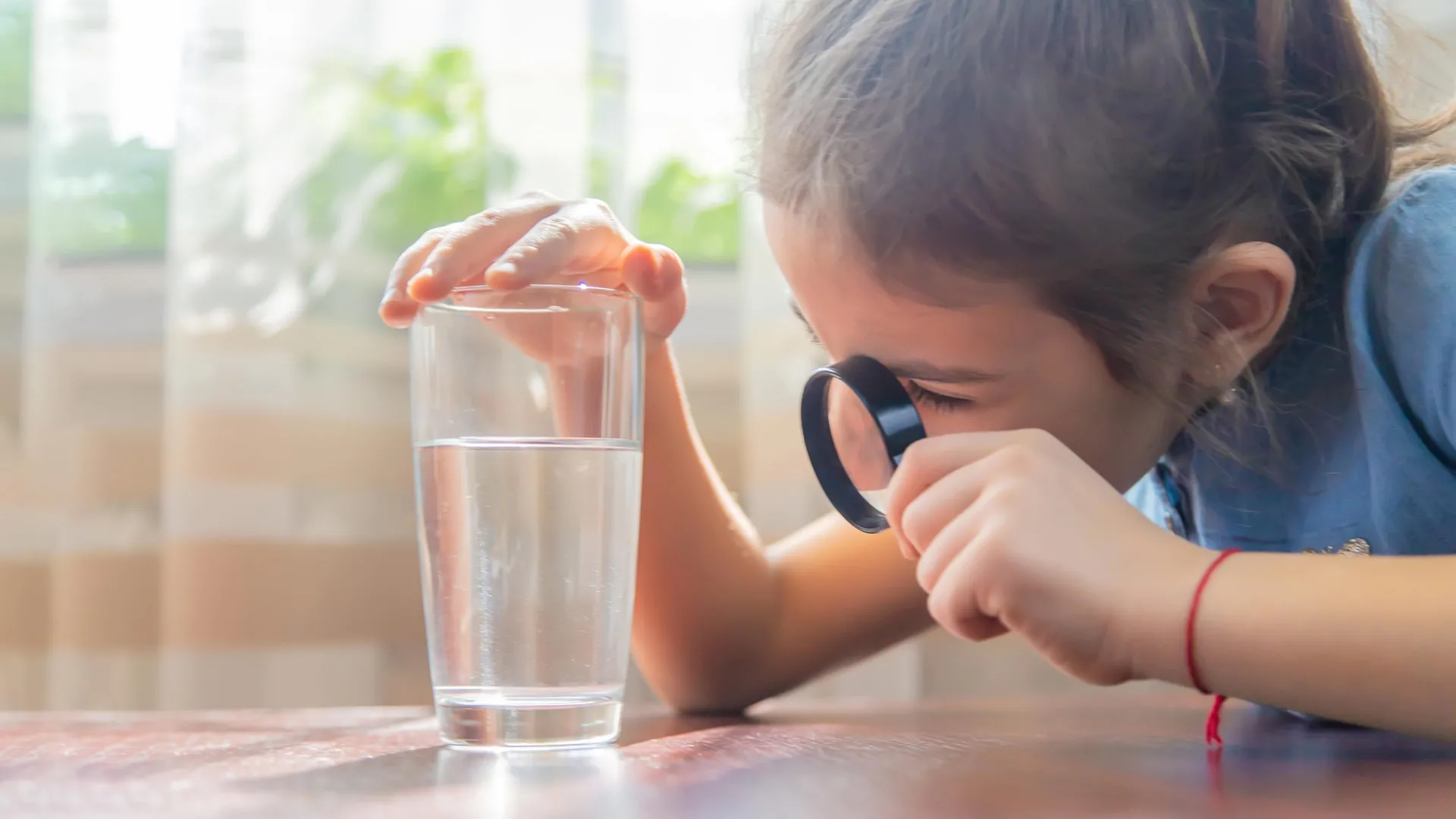
For decades, the environmental conversation surrounding plastic pollution focused on the visible—tangled nets in the ocean, plastic bottles clogging rivers, and the degradation of larger debris into microplastics. However, a new, more insidious threat has emerged from the microscopic realm. New research indicates that nanoplastics—particles so small they are invisible to the naked eye—are not merely inert pollutants; they are active agents that may be fundamentally altering the microbial landscape of our drinking water infrastructure.
A groundbreaking study published in the journal Water Research by an international team led by Virginia Tech’s Jingqiu Liao has unveiled a concerning reality: nanoplastics are interacting with environmental microbes to create “super-biofilms” that are significantly more resistant to standard water treatment protocols. This discovery adds a layer of complexity to public health, suggesting that the path to clean, safe drinking water may be increasingly obstructed by the very materials we have discarded.
The Science of the Invisible: Defining Nanoplastics
To understand the gravity of the research, one must first grasp the scale of the pollutant. Nanoplastics are defined as plastic particles ranging from one to 1,000 nanometers in size. To put this into perspective, a single strand of human hair is approximately 80,000 to 100,000 nanometers wide. These particles are the product of the breakdown of larger plastics, or they are manufactured intentionally for industrial and commercial use.
Because of their minuscule size, they can bypass traditional filtration systems and integrate themselves into the infrastructure of water distribution networks. Once inside these pipes, they encounter a complex community of microorganisms, leading to the formation of biofilms—thin, slimy layers of bacteria that adhere to the inner surfaces of water conduits.
The Evolution of the Study: A Chronology of Discovery
The research process, spearheaded by Assistant Professor Jingqiu Liao of Virginia Tech’s Department of Civil and Environmental Engineering, followed a rigorous methodology to observe the interaction between synthetic polymers and biological systems.
- Initial Hypothesis: The team hypothesized that the physical presence of nanoplastics within a biofilm matrix might alter the chemical signaling and structural integrity of the bacterial colony.
- Experimental Setup: Using a model biofilm comprised of E. coli and Pseudomonas aeruginosa—two common, sometimes pathogenic, bacteria found in water systems—the team introduced controlled concentrations of nanoplastics.
- Observation Phase: The researchers monitored the "quorum sensing" capabilities of the bacteria—the mechanism by which they communicate and coordinate behavior.
- Analysis: Using metagenomic analysis and advanced microscopy, the team identified three distinct responses triggered by the presence of these plastics: increased structural density, the activation of viral prophages, and the upregulation of CRISPR-based antiviral defense systems within the bacteria.
The results were unequivocal: the nanoplastics acted as a catalyst, pushing the biofilm toward a state of higher resilience.
Supporting Data: Why Biofilms Become Indestructible
Biofilms are not inherently malevolent; in nature, they serve to protect microbes from environmental fluctuations. However, inside municipal water pipes, they are problematic. They can harbor opportunistic pathogens that survive the journey from the treatment plant to the consumer’s tap.
The data gathered by Liao’s team highlights a "hardening" effect caused by nanoplastics. When exposed to these particles, bacteria engaged in aggressive inter-species communication, releasing extracellular polymeric substances (EPS). This effectively acts as a "glue," making the biofilm thicker, heavier, and significantly more difficult for chlorine or other disinfectants to penetrate.
Furthermore, the study examined the role of bacteriophages—viruses that prey on bacteria. The researchers found that nanoplastics disrupted the delicate balance between bacteria and these phages. When stressed by the plastics, the bacteria responded by triggering their own antiviral defense systems, specifically utilizing CRISPR—the same technology used in gene editing—to target and neutralize the phages. By fending off these viral threats, the bacteria became more dominant, stable, and persistent within the system.
Official Responses and Expert Perspective
Jingqiu Liao, who is also an affiliate with the Fralin Life Sciences Institute’s Global Change Center, emphasizes that the findings represent a paradigm shift in how we evaluate water quality.
"It is very important to better understand the adverse effects of the nanoplastics on human health, and not just in humans but also in the environment, which indirectly influences human health," Liao stated. "The nanoplastics can make the antimicrobial-resistant pathogens better survive, which could be harmful to the environment and would have public health implications."
Liao’s background in microbial ecology and her prior work on how soil composition influences antibiotic resistance provided the framework for this study. Her recent recognition with the Scaling Scholarship Award underscores the importance of her work in understanding how deterministic and stochastic processes shape bacterial ecotypes. Her current stance is clear: current water treatment standards may be ill-equipped for the specific challenges posed by nanoplastic-laden water.
Implications for Public Health and Infrastructure
The implications of this research are far-reaching, particularly for the engineering of municipal water distribution networks.
1. The Challenge to Water Treatment Facilities
Water treatment plants rely on chemical disinfectants to neutralize pathogens. If nanoplastics increase the mechanical strength of biofilms, then the required concentration of disinfectants may need to be re-evaluated. Increased chemical usage, however, carries its own risks, including the formation of potentially harmful disinfection byproducts.
2. Infrastructure Longevity
Biofilms contribute to the degradation of pipe materials through microbially influenced corrosion (MIC). If nanoplastics are making these biofilms more robust, the rate of infrastructure decay could accelerate, leading to increased costs for maintenance and potential service interruptions for urban populations.
3. The "Trojan Horse" Effect
Beyond their ability to bolster biofilms, nanoplastics act as carriers. Their high surface-area-to-volume ratio allows them to adsorb other contaminants, including heavy metals and persistent organic pollutants. By fortifying the biofilm, nanoplastics essentially provide a "shielded harbor" for these toxins to enter the water supply alongside resistant bacteria.
Future Research: Beyond the Nanoscale
While this study provides critical insights, Liao is quick to note that it is merely the beginning of a broader investigation. Future research must look at the impact of varying plastic sizes, shapes, and chemical compositions. "Microplastics are larger than nanoplastics and could affect interactions between bacteria and phages in different ways," she notes.
The team also intends to investigate the molecular processes driving these responses in "real-world" biofilms—communities containing hundreds of different microbial species, rather than the simplified models used in the initial laboratory phases. Understanding these complex, multi-species interactions is the next major hurdle for environmental engineers.
Conclusion: A Call for Proactive Policy
The discovery that nanoplastics can manipulate bacterial behavior and enhance the survival of waterborne pathogens serves as a stark reminder of the unintended consequences of plastic proliferation. As the global community continues to grapple with plastic waste, this study provides a scientific imperative to improve detection methods for nanoplastics in water and to develop more resilient treatment technologies.
The invisible nature of this threat makes it no less urgent. As we look toward the future of water security, the interplay between synthetic polymers and microbial life will undoubtedly become a focal point of public health policy. Protecting the integrity of our water systems may soon require not just better chemistry, but a better understanding of the invisible, plastic-laden world living inside our pipes.