








By [Your Name/Journalistic Staff]
In the quiet aisles of local health food stores, behind the counters of neighborhood vape shops, and even at the registers of suburban gas stations, a new staple has emerged in the American retail landscape: kratom. Often packaged in colorful, unassuming pouches of powder or capsules, this centuries-old botanical substance has moved from the fringes of Southeast Asian traditional medicine into the center of a heated American public health debate.
While proponents champion kratom as a "lifesaving" natural supplement for everything from chronic pain to mental health crises, medical professionals and regulatory bodies are raising urgent alarms. As the substance gains traction across the United States, the divide between those seeking relief and those witnessing the fallout of dependency continues to widen.
The Roots of a Modern Phenomenon: Main Facts
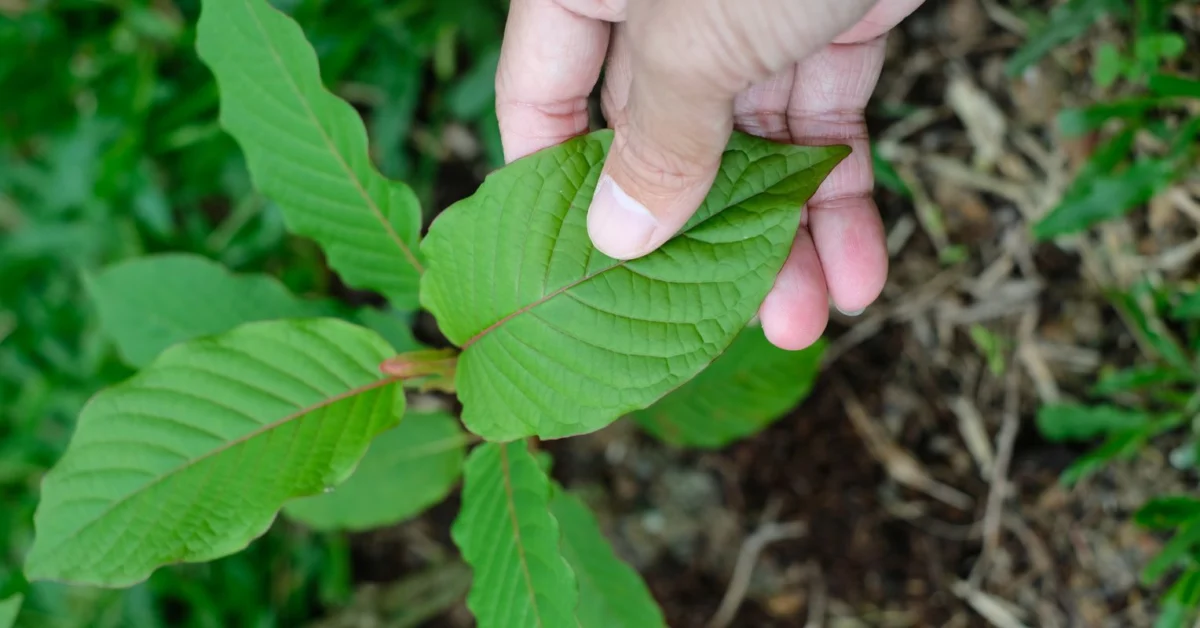
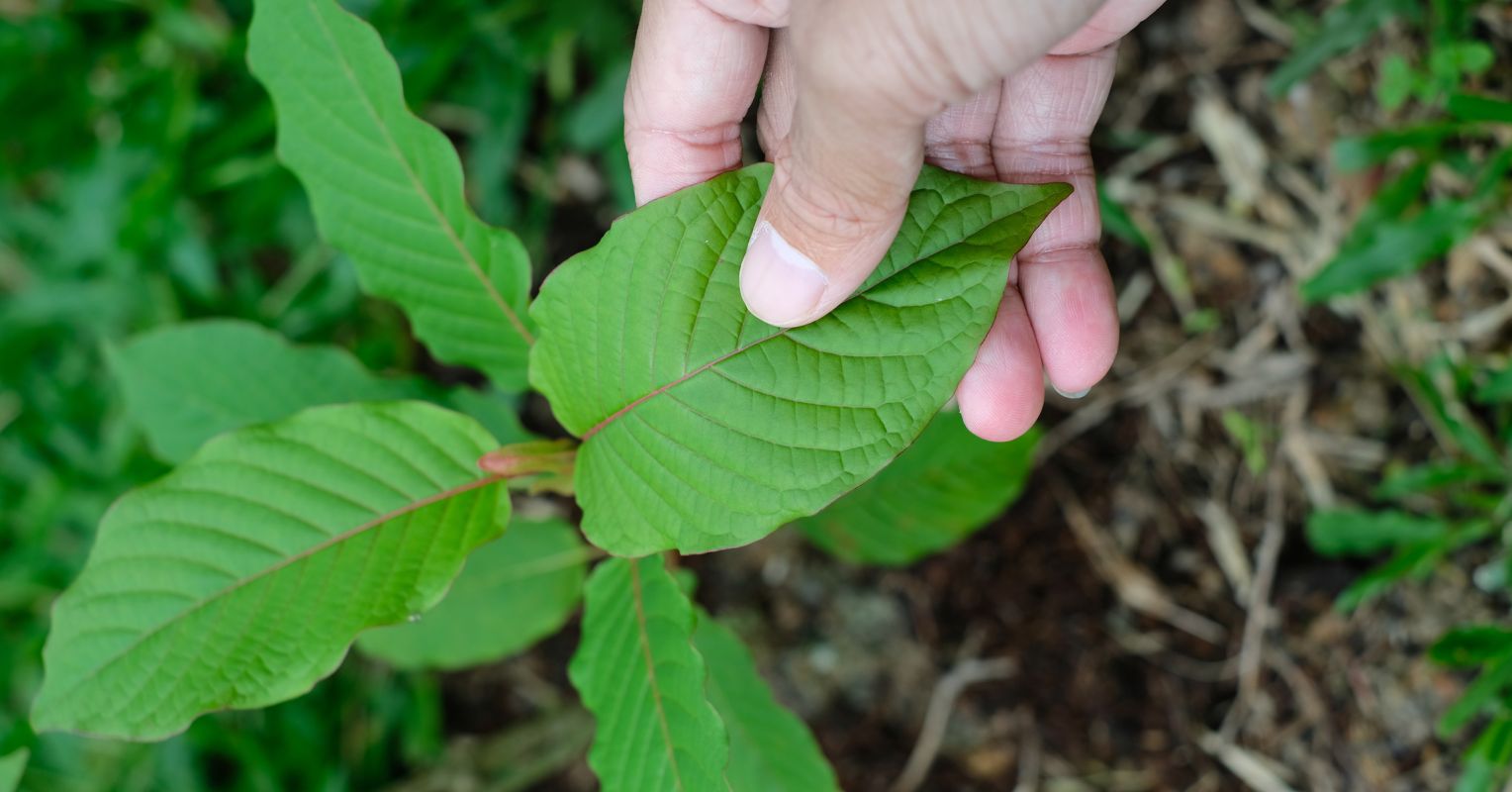
Kratom (Mitragyna speciosa) is a tropical tree native to Southeast Asia, specifically Thailand, Malaysia, and Indonesia. For centuries, laborers in these regions chewed the leaves to ward off fatigue and manage the physical toll of grueling manual labor. In its traditional context, it functioned much like coffee or coca leaves—a mild stimulant used to sustain productivity.
In the modern Western context, however, the usage has shifted significantly. Kratom contains alkaloids—specifically mitragynine and 7-hydroxymitragynine—that interact with opioid receptors in the brain. Because of this, it is increasingly marketed as a "natural" alternative to pharmaceutical pain management and a tool for self-medicating symptoms of anxiety, depression, post-traumatic stress disorder (PTSD), and opioid withdrawal.
However, the "natural" label is a point of contention for health experts. Because the substance is not regulated for purity, dosage, or consistency, consumers are often left in the dark about what exactly is inside the package. The lack of standardization means that one batch of kratom may have drastically different concentrations of alkaloids than another, leading to unpredictable and potentially dangerous outcomes for the user.
A Timeline of Regulatory Scrutiny: Chronology
The rapid ascent of kratom in the U.S. has outpaced the legal framework designed to protect consumers.
- Early 2000s: Kratom begins appearing in niche herbal markets in the United States, primarily sold as a botanical curiosity or an alternative energy supplement.
- 2012–2016: Reports of adverse effects and potential for abuse begin to reach the Drug Enforcement Administration (DEA). In 2016, the DEA famously attempted to classify kratom as a Schedule I substance, but withdrew the proposal following significant public outcry and pushback from advocacy groups.
- April 2022: The Food and Drug Administration (FDA) issues a formal alert to consumers, warning that the agency has not approved kratom for any medical use and advising against its consumption due to potential risks of addiction, abuse, and dependence.
- June 2023: Florida signs the "Kratom Consumer Protection Act" into law. This landmark legislation serves as a template for other states, effectively banning the sale of kratom to anyone under 21 and establishing state-level quality control definitions.
- Present Day: A patchwork of state-level regulations exists. While some states have moved to ban the substance entirely, others are adopting the "Consumer Protection Act" model, which focuses on age restrictions and labeling rather than prohibition.
The Scope of Use: Supporting Data
Estimates regarding the number of kratom users in the United States vary, but conservative figures suggest at least two million Americans utilize the substance regularly. The demographics of these users are diverse, ranging from blue-collar workers seeking pain relief to individuals struggling with long-term opioid use disorder (OUD).
A 2022 survey published in Frontiers in Pharmacology revealed a striking statistic: over 90 percent of respondents reported that kratom was "very effective" in treating their physical pain. This perceived efficacy is the primary driver of its popularity. For individuals who have been failed by the healthcare system or who fear the stigma and side effects of traditional prescription opioids, kratom presents an attractive, accessible, and seemingly "holistic" solution.
However, the efficacy reported by users often masks a darker reality of dependency. As tolerance builds, the "lifesaving" supplement often transforms into a daily necessity to avoid debilitating withdrawal symptoms.
The Official Stance: Regulatory and Medical Responses
The FDA’s position remains firm: kratom is an unapproved, potentially dangerous substance. The agency has repeatedly cited that there is no credible scientific evidence to support the claims that it is safe or effective for treating any condition.
"The FDA is concerned about the safety of kratom and the lack of oversight," says a representative for the agency. "Because these products are marketed as dietary supplements or food, they do not undergo the rigorous safety and efficacy testing required for pharmaceutical drugs."
Medical associations, including the Mayo Clinic and various addiction medicine societies, have also sounded the alarm. The medical community emphasizes that the physiological effects of kratom are not benign. Symptoms of misuse can include:
- Cardiovascular issues: Elevated heart rate, hypertension, and heart palpitations.
- Neurological impacts: Tremors, seizures, and in severe cases, psychosis.
- Gastrointestinal distress: Nausea, vomiting, and constipation.
- Psychological shifts: Increased irritability, mood swings, and a marked loss of interest in previously enjoyed activities.
Implications for Public Health and Treatment
For clinicians like Jana Wu, LCSW, the rise of kratom is not just a regulatory issue—it is a patient care crisis. Working at the front lines of addiction treatment, professionals are seeing the real-world consequences of "self-medication."
"I have seen clients who turned to kratom to manage opioid cravings, only to find themselves trapped in a new cycle of dependence," says Wu. "We see the financial toll, the strain on family relationships, and the psychological weight of an addiction that is often hidden because the substance is sold in a convenience store."
The Treatment Gap
The treatment of kratom dependence requires a nuanced, multi-faceted approach. Because the withdrawal symptoms—which can include muscle aches, insomnia, severe anxiety, and depression—mimic those of traditional opiates, medical detox is often the first, necessary step.
Following stabilization, the focus shifts to behavioral health. Individual, group, and family therapies are vital in uncovering the root causes of the reliance. Many treatment centers are now developing specific support groups for kratom users, acknowledging that the stigma of "herbal addiction" can prevent people from seeking the help they need.
The Holistic Paradox
The challenge for the future lies in reconciling the potential of the plant with the danger of its unregulated use. Holistic practitioners argue that if kratom were studied with the same rigor as other botanical medicines, it could potentially offer legitimate therapeutic avenues. However, the current "Wild West" landscape of the market makes this nearly impossible.
"We need a progressive, multi-faceted stance," says Wu. "Informed consent is the cornerstone of medicine. Right now, users are experimenting with their own bodies without the guidance of healthcare professionals or a standardized product. That is a recipe for long-term health consequences."
Moving Toward a Safer Future
The path forward is likely to be defined by three key pillars: research, regulation, and education.
- Research: There is a critical need for large-scale, peer-reviewed clinical trials to determine if specific alkaloids in kratom can be isolated and safely used for medical purposes, free from the risks of whole-leaf consumption.
- Regulation: State-by-state legislation, such as the Florida model, provides a necessary baseline for safety by keeping products out of the hands of minors and requiring proper labeling. However, federal oversight is likely required to ensure consistency across state lines.
- Education: Public awareness campaigns are necessary to dispel the myth that "natural" equals "safe." Healthcare providers must be trained to screen for kratom use during patient intake, as many patients may not disclose it, viewing it as a harmless supplement rather than a psychoactive substance.
For those currently struggling with kratom use, the message from the clinical community is clear: you are not alone, and there is a way out. Whether through medically assisted treatment (such as buprenorphine, which is FDA-approved for opioid use disorder) or through intensive outpatient therapy, recovery is possible.
As we continue to navigate the complexities of this botanical, the priority must remain the health and safety of the individual. Until the industry is brought into the light of scientific scrutiny, caution remains the most important tool in the consumer’s arsenal. If you or a loved one are using kratom to manage pain or mental health symptoms, speak with a licensed healthcare professional to explore evidence-based alternatives that carry a clearer, safer path to wellness.