By Jana Wu, LCSW, LADC, ICAADC, CASAC
For more than 15 years, I have navigated the complex landscapes of mental health and substance use treatment. As I approach the milestone of 50, I find myself increasingly haunted by a recurring, dual-natured question—one that is both deeply personal and rigorously professional: Why is our healthcare system so perpetually quick to suppress women’s distress before we have taken the time to truly understand its root cause?
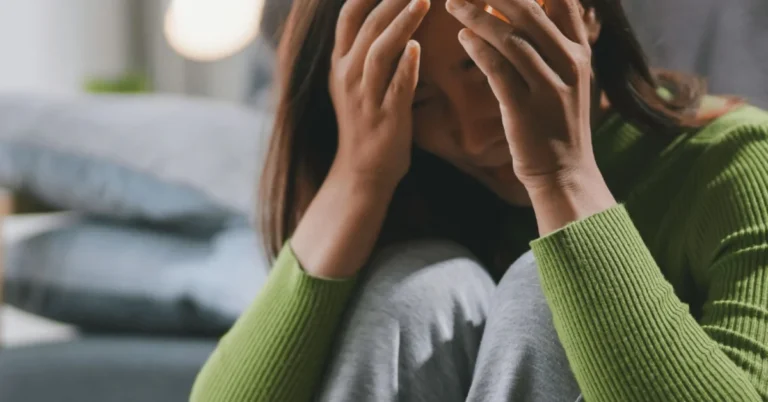
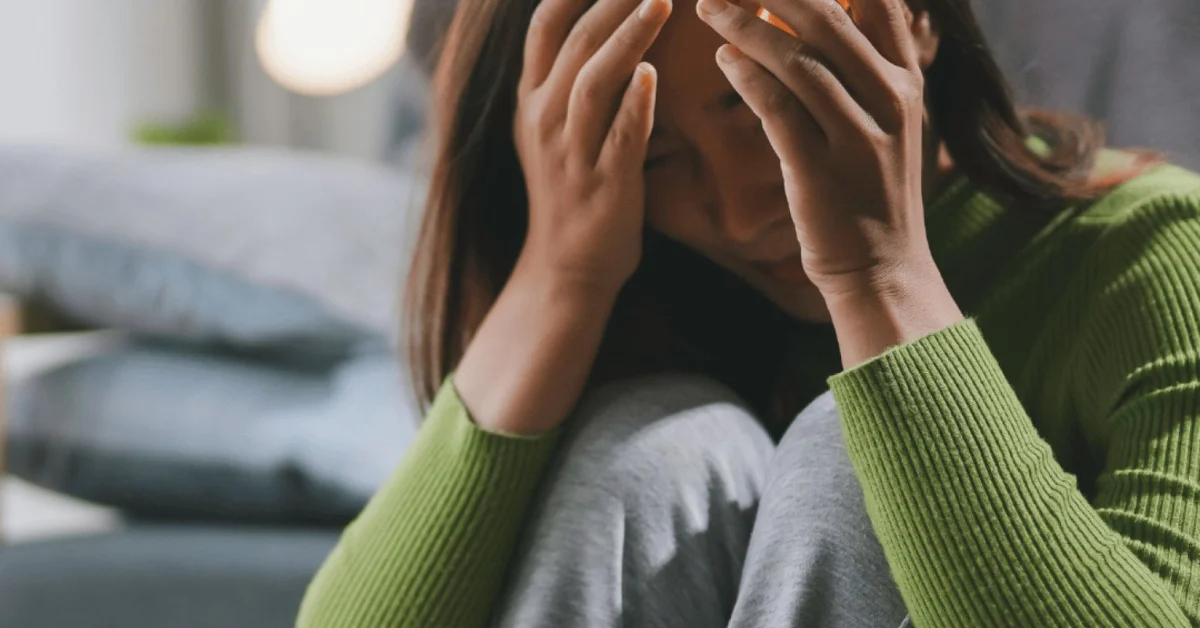
In recent years, the rise of kratom—a tropical tree leaf native to Southeast Asia—has brought this systemic failure into sharper focus. I have sat across from countless women, ranging from their late 30s to their 60s, who have stumbled upon kratom while desperately searching for a salve for anxiety, chronic pain, or overwhelming fatigue. They describe it not as a path to euphoria, but as a mechanism for survival. It is a tool to keep them functioning in lives that have stretched them to the breaking point.
The Historical Context: A Century of "Quick Fixes"
The medical impulse to quiet women’s distress is not a modern phenomenon; it is a historical pattern etched into the foundations of psychiatry. In the 19th century, practitioners relied on catch-all diagnoses like "hysteria" and "neurasthenia" to categorize a vast array of symptoms, including anxiety, insomnia, irritability, and fatigue. These labels served to pathologize the female experience, suggesting that the underlying issue was an inherent instability rather than a response to environmental or physiological pressures.
By the mid-20th century, the methodology shifted from diagnosis to chemical intervention. As the pharmaceutical industry grew, so did the reliance on sedatives and, eventually, benzodiazepines. In 1963, the introduction of Valium changed the landscape of mental health treatment forever. It became the most prescribed medication in the United States, cementing a cultural expectation that any sign of domestic or professional strain could—and should—be erased by a pill.
The cultural saturation of this practice was so profound that it became a touchstone of the 1960s counterculture. When the Rolling Stones released "Mother’s Little Helper" in 1966, the lyrics were not merely a critique of suburban ennui; they were a mirror held up to a society that expected women to manage the crushing burdens of family, work, and aging without showing a crack in their facade. Nearly 60 years later, the medications have evolved, but the underlying dynamic remains: we are still asking women to perform at unsustainable levels, and we are still offering chemical relief as the primary solution to that impossibility.
The Midlife Crisis: The Perfect Storm
For women in midlife, the modern medical approach is particularly ill-suited. This stage of life is often a "perfect storm" of biological and social upheaval. Perimenopause can trigger or exacerbate anxiety, sleep disturbances, and mood instability. Simultaneously, these women are frequently occupying the "sandwich generation" role, balancing the demands of high-pressure careers, raising children, caring for aging parents, and managing the emotional labor of their own relationships.
When a woman reaches out for help during this period, the healthcare system is often better equipped to "quiet" the symptom than to investigate the life surrounding it. A prescription pad is a quick and efficient tool; patience and curiosity are not. True, holistic care would require asking why a woman suddenly cannot sleep, why panic has emerged for the first time, or why she feels disconnected from her own body. Is it hormonal? Is it a life transition? Is it a cumulative trauma? When we bypass these questions, we don’t treat the woman—we treat the inconvenience of her suffering.
Kratom: A New Chapter in an Old Story
Kratom has emerged as a significant player in this narrative. While I am not suggesting that benzodiazepines are a direct "gateway" to kratom, the pathways are undeniably intertwined through the shared search for relief.
Many women turn to kratom because they perceive it as "natural," "traditional," and—crucially—outside the formal pharmaceutical system that they feel has failed them. They want to reclaim a sense of agency. However, the designation of "natural" is a dangerous misnomer. Kratom products in the United States operate in a regulatory gray area; they are not vetted by the FDA, and their potency can vary wildly from one batch to the next.
From a clinical standpoint, the most alarming trend is the pattern of poly-substance use. Many individuals are not using kratom in isolation. I frequently see patients who are combining kratom with alcohol, prescribed benzodiazepines, or opioids. This creates a volatile chemical environment. The combination of substances with sedating or opioid-like effects significantly elevates the risk of respiratory depression, excessive sedation, and fatal interactions—risks that are vastly under-discussed in the public discourse surrounding herbal supplements.
Official Responses and the Regulatory Landscape
The regulatory status of kratom remains a point of intense debate. The Drug Enforcement Administration (DEA) has previously considered classifying kratom’s active ingredients as Schedule I substances, though these efforts have been met with fierce resistance from advocacy groups and some segments of the medical community who argue for its therapeutic potential in pain management.
However, the lack of standardized manufacturing practices means that consumers are often unaware of what they are ingesting. Without consistent labeling or dosage guidelines, the risk of developing a "kratom use disorder" is real and mounting. As clinicians, we are increasingly seeing the symptoms of dependency, withdrawal, and the psychological fallout of self-medicating with an unregulated substance. We are witnessing a cycle where the attempt to escape the side effects of one set of substances leads directly into the risks of another.
Implications: Moving Beyond "Relief"
What are the implications for the future of women’s health? We must stop presenting women with a binary choice: either endure severe, debilitating anxiety or rely indefinitely on a substance—pharmaceutical or otherwise—to make that anxiety disappear.
- Reframing the Clinical Objective: Providers must begin by asking a difficult, introspective question: "Whose discomfort are we actually treating?" Often, the urgency to medicate comes from a desire to make the patient’s distress disappear so that they can return to their "productive" state. This is not healing; it is maintenance.
- Addressing the Root: We must prioritize diagnostic curiosity. This means screening for hormonal shifts, evaluating life-stage transitions, and considering the socioeconomic factors that contribute to the "stretched-thin" epidemic.
- Education and Transparency: There is an urgent need for better public education regarding the risks of unregulated supplements. We need to dismantle the myth that "natural" equates to "safe."
- Integrated Care: We need a shift toward multidisciplinary treatment plans that incorporate psychotherapy, lifestyle adjustments, and, where appropriate, carefully monitored pharmacological support.
As we learn more about kratom and the patterns of use surrounding it, we must listen—really listen—to the stories of the women using it. We will often find that the story did not begin with a search for a high; it began with a woman who was overwhelmed, a provider who wanted to offer a quick fix, and a system that failed to provide the long-term support she actually required.
The tragedy is not that women are looking for relief. The tragedy is that we have made "relief" the ultimate end goal of healthcare. When we treat the symptom but ignore the human experience, we ensure that the cycle of distress will continue, moving from one pill to the next, leaving the underlying pressures of women’s lives entirely unaddressed. It is time to stop silencing the distress and start listening to what it is trying to tell us.