










Originally published in the September-October 1983 issue of Yoga Journal, this exploration of Dhanurasana remains a cornerstone of the practice, bridging the gap between physical exertion and spiritual realization.
Main Facts: The Symbolism of the Bow
In the lexicon of yoga, the archer’s bow is far more than a tool of war; it is a profound metaphor for the human condition. At rest, a bow possesses minimal tension and, consequently, limited potential. However, as the string is drawn back, the wood accumulates the latent energy necessary to propel an arrow with precision and power.
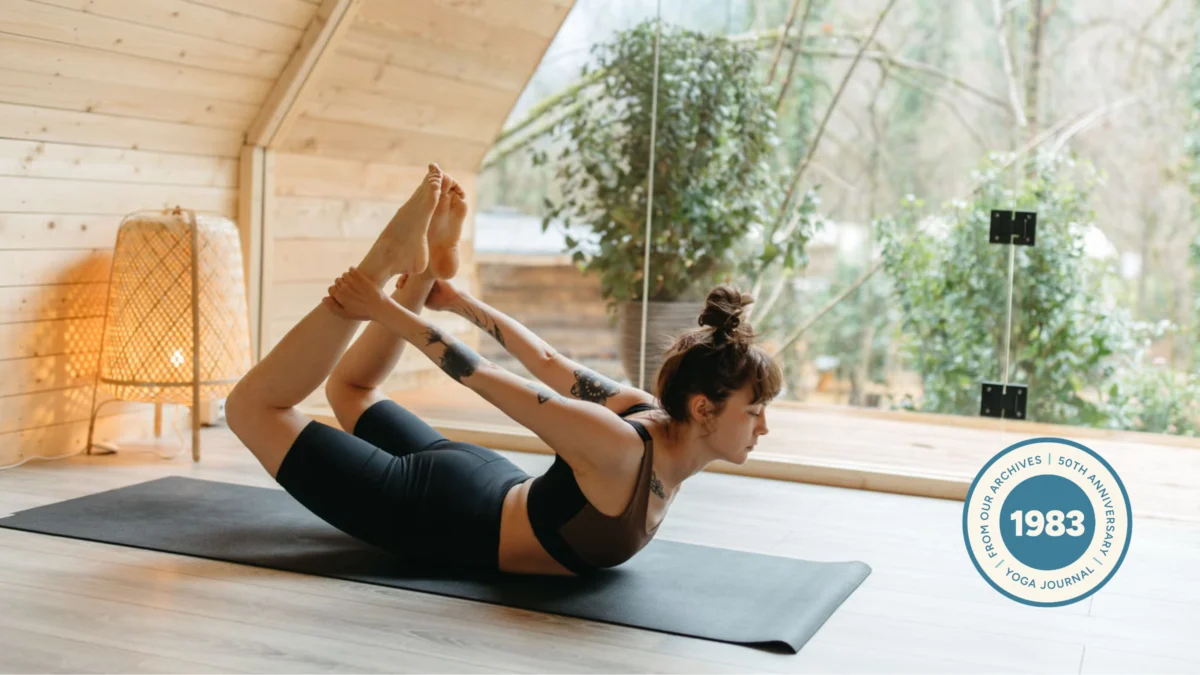
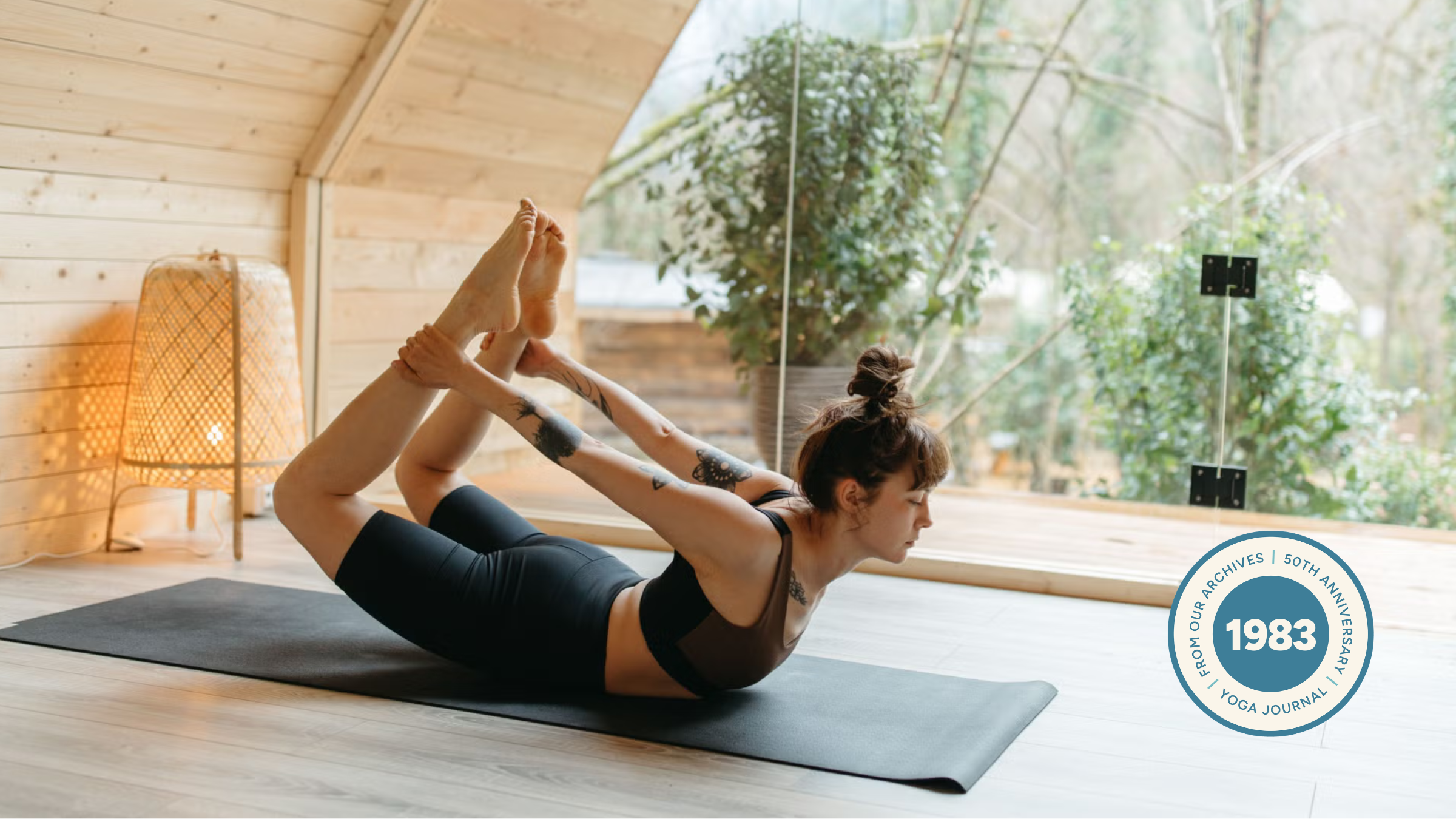
Dhanurasana, or Bow Pose, serves as a physical enactment of this principle. By arching the body, the practitioner shifts from a state of inertia to one of intentionality. This pose is not merely a stretch; it is a deliberate assertion of the will. When we commit to the physical difficulty of the pose, we are practicing the art of focus—directing our body, mind, and spirit toward a singular target: the true Self.
Chronology: A Legacy of Practice
The history of Dhanurasana is etched into the very foundations of yoga. While the physical technique has been passed down through generations, its philosophical roots date back thousands of years, emphasizing the connection between the "bow" (the body) and the "arrow" (the focused consciousness).
- 1975: Yoga Journal begins its archival mission to document the evolution of yoga practice in the West.
- 1983: The seminal article on Dhanurasana is published, highlighting the shift from viewing poses as "external garments" to internal expressions of truth.
- Present Day: Modern practitioners continue to utilize the pose, supported by both traditional texts like B.K.S. Iyengar’s Light on Yoga and contemporary insights into kinetic anatomy.
Supporting Data: The Anatomy of the Arch
To understand Dhanurasana is to understand the modern human’s struggle with postural patterns. Our daily lives are heavily skewed toward the front of the body—we lean over desks, drive vehicles, and scroll through devices. This "frontal dominance" causes the chest to collapse and the back muscles to weaken.
Kinetic Benefits
Dhanurasana acts as a vital counter-movement. By engaging the posterior chain, the pose provides the following physiological benefits:
- Posterior Strengthening: It actively targets the hamstrings, gluteus maximus, and the entire erector spinae group.
- Pectoral Release: It stretches the pectoralis muscles and the biceps brachii, which are often tight from hunched postures.
- Pelvic Mobility: By lengthening the powerful quadriceps femoris, the pose grants the pelvis greater freedom of movement, significantly reducing strain on the lumbar spine during walking and daily activity.
- Organ Vitality: As noted by Iyengar, the pose massages and rejuvenates the abdominal organs, promoting healthy digestion and circulation.
The Mind-Body Interface
The connection between the physical shape of the body and the unconscious mind is a recurring theme in both yoga and analytical psychology. C.G. Jung often noted that the body acts as a mirror for the unconscious. When we fold our bodies into the shape of a bow, we are not just performing an exercise; we are invoking a primordial symbol of power and direction from within the subconscious.
Official Guidance: Mastering the Form
While Dhanurasana is often classified as a beginner-to-intermediate pose, it requires careful preparation to ensure safety and effectiveness.
Step-by-Step Execution
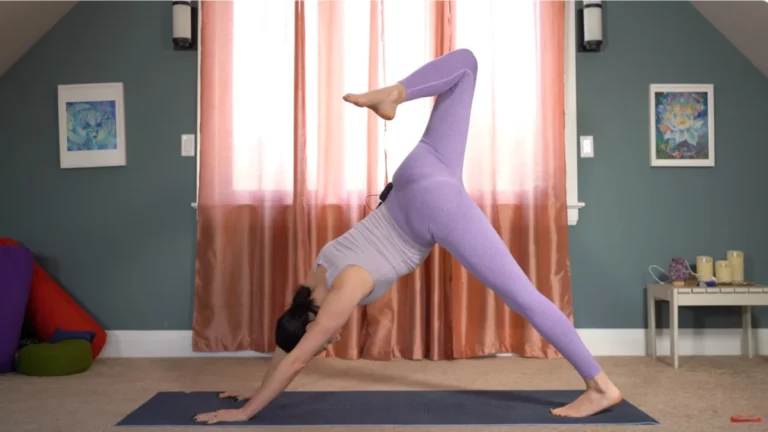
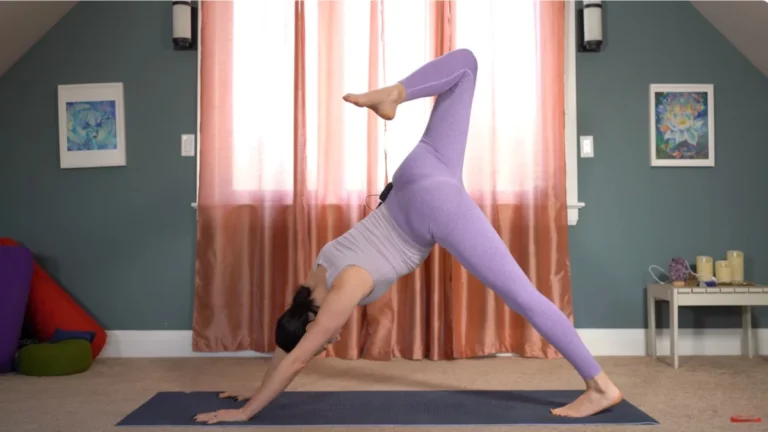
- Preparation: Never jump into backbends cold. Engage in a series of standing poses and Downward-Facing Dog to build internal heat.
- The Setup: Utilize a folded blanket under the pelvis to protect the hip and pubic bones.
- Lengthening: Before lifting, ensure the rib cage is lifted and extended forward to create length in the spine.
- The Lift: On an exhalation, grasp the ankles and lift. Focus on keeping the shoulders and knees at an equal height to ensure an even distribution of the arch along the spine.
- Steady State: Avoid the common pitfall of rocking. Hold the pose with steady, quiet breathing.
Crucial Adjustments
- Thigh Alignment: Beginners often try to lift the thighs too high, which creates excessive, dangerous curvature in the lumbar spine. Keep the thighs pressed toward the ground until the moment of the lift to maintain structural integrity.
- Symmetry: If you struggle with balance, use a mirror or an instructor to ensure that one side is not exerting more force than the other.
- Shoulder Health: When experimenting with variations—such as holding the inside of the ankles—ensure the shoulders roll outward. Failure to do this leads to "closed" shoulders, which negates the heart-opening benefits of the pose.
Implications: Becoming the Asana
The most profound takeaway from the 1983 teachings is the shift in perspective regarding self-transformation. Many students approach yoga with the mistaken belief that they are "adding" something to themselves—that they are incomplete and must acquire new traits through the practice.
However, the philosophy of Dhanurasana teaches that we are not changing who we are; we are revealing what is already there. We are, by our nature, centers of wholeness and love. The pose is a vessel that allows us to manifest these inherent qualities.
Moving Beyond the "Coat"
When a practitioner views an asana as an "external coat"—something they wear to be "healthy"—the practice remains mechanical. But when the asana is evoked from within, it becomes a living thing. This is the transition from "practicing" yoga to "living" yoga. The pose becomes an expression of divinity, a realization that the archer and the bow are one.
Integrating the Practice
If you find tension in the back following a deep session of backbends, do not be alarmed. The body is simply integrating the shift in posture. It is highly recommended to follow Dhanurasana with gentle spinal twists and a restorative Downward-Facing Dog. This "cooling" phase allows the nervous system to process the intense energy mobilized during the bow-like arch.
Conclusion: The Archer’s Final Lesson
The journey of Dhanurasana is a lifelong pursuit of alignment. As we navigate the complexities of our modern, forward-leaning lives, the invitation of the Bow Pose remains clear: stop, gather your internal potential, and aim your attention with precision.
By grounding our thighs, opening our chests, and engaging our will, we do more than just strengthen our backs; we reclaim our capacity to respond to life with force, accuracy, and grace. Whether you are a novice or a seasoned practitioner, remember that you are not just studying a pose. You are, in every breath and every lift, becoming the archer, the bow, and the target all at once.
As we continue to look back at the archives of yoga, we find that these ancient lessons are not relics—they are maps. They guide us back to the center of our own being, reminding us that the power we seek to manifest is, and has always been, contained within.