In an era of one-size-fits-all medicine, where diagnostic codes often dictate treatment protocols, a centuries-old science is offering a compelling alternative: the radical prioritization of the individual. Ayurveda, the traditional system of medicine originating in India, posits that no two human beings are identical, and consequently, no two paths to healing can be the same.
This philosophy is not merely a holistic preference; it is a clinical framework. In Ayurveda, a condition as common as "pain" is not treated as a singular entity. Instead, it is categorized by the dosha—the energetic constitution—driving the symptom. Pain caused by a Vata imbalance requires a vastly different therapeutic approach than pain rooted in Pitta or Kapha excess. This nuanced approach extends to chronic conditions as well; while modern medicine typically recognizes two primary classifications for diabetes, Ayurveda identifies twenty distinct types, each necessitating a bespoke therapeutic strategy.
The Philosophical Core: Samprapti and the Root Cause
The cornerstone of Ayurvedic success is the pursuit of samprapti, or the pathogenesis of a disease. A practitioner’s role is not to mask symptoms—what many refer to as the "band-aid" approach—but to map the movement of an imbalance through the body’s tissues and channels.
By assessing a client’s prakruti (their inherent constitutional balance) against their vikruti (their current state of imbalance), a practitioner can determine which qualities, or gunas, have become excessive. Is the body too hot, too cold, too dry, or too oily? Once these qualities are identified, the practitioner designs a protocol that acts as the energetic antidote, restoring the body to its natural equilibrium.
The Three Stages of Panchakarma: A Chronology of Detoxification
Perhaps the most sophisticated tool in the Ayurvedic arsenal is Panchakarma—a comprehensive, multi-stage detoxification process. While often marketed in the West as a simple "spa detox," the reality is a rigorous clinical intervention that requires professional oversight. The process is divided into three distinct chronological phases: Purvakarma, Pradhanakarma, and Paschyatkarma.
Stage 1: Purvakarma (The Preparatory Phase)
Before the body can release deep-seated toxins, it must be primed. Purvakarma is the foundational stage where the body is prepared for the elimination of ama (toxin accumulation). This involves two primary actions:
- Kindling Agni: The digestive fire is stimulated through specific interventions, such as herbal preparations or regulated dietary changes, to ensure the body can metabolize the toxins being released.
- Internal Oleation: Clients ingest medicated ghees or oils. This process saturates the tissues, effectively "lubricating" the body from the inside out to dislodge toxins that have settled into the deeper layers of the physiology.
Stage 2: Pradhanakarma (The Five Actions)
Once the toxins have been loosened and moved into the digestive tract, the primary phase of Pradhanakarma begins. The name literally translates to "Five Actions," each targeting a specific site of accumulation:
- Virechana (Purgation): Targeting the small intestine, liver, and gallbladder, this therapy uses herbal laxatives to purge excess pitta dosha, cooling the system and resetting the metabolic hub.
- Basti (Medicated Enema): Directed at the large intestine—the primary seat of Vata—Basti is perhaps the most therapeutic action. By introducing herbalized oils or teas into the colon, practitioners can nourish the lining and address systemic imbalances at their root.
- Vamana (Emesis): Reserved for specific cases of extreme Kapha accumulation, this process uses salt water and licorice tea to clear phlegm from the stomach. Due to its intensity, it is only utilized under strict clinical supervision.
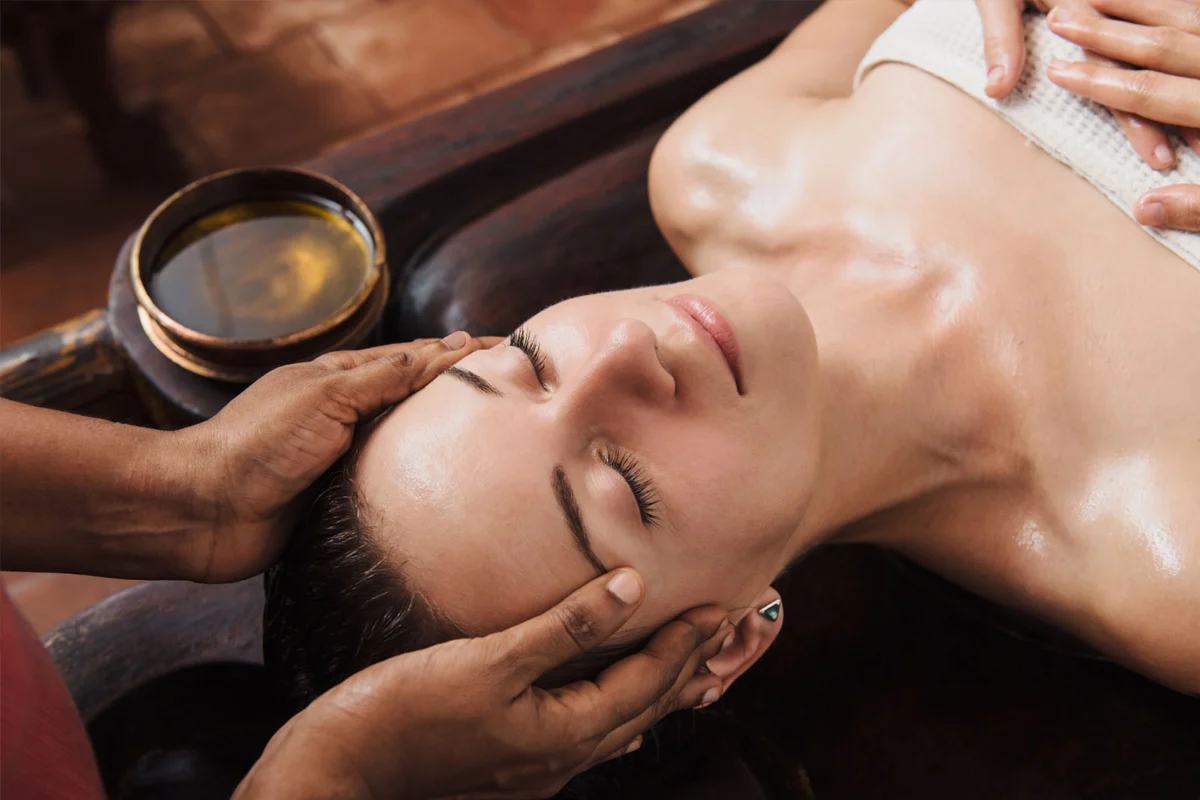
- Nasya (Nasal Administration): This involves the application of medicated oils into the nasal passages. It is highly effective for clearing sinus congestion, improving mental clarity, and balancing the head space.
- Raktamoksha (Blood Cleansing): Considered the final frontier of purification, this process seeks to clear the blood of lingering ama. While traditional methods involved leech therapy, modern Western practitioners utilize alternative methods to ensure the blood—the source of jivanam (life-giving energy)—is clean and oxygenated.
Stage 3: Paschyatkarma (The Rejuvenation Phase)
The final stage occurs after the elimination process is complete. Because detoxification can be physically taxing, Paschyatkarma focuses on rebuilding the body’s strength. The practitioner implements a structured diet and lifestyle plan to nourish the tissues and fortify the digestive system, ensuring that the client emerges not just "cleaned," but revitalized.
Supporting Data: Why Customization Matters
The clinical efficacy of Ayurveda lies in the practitioner’s ability to interpret variables that are often ignored in standard diagnostics. When a practitioner designs a Panchakarma protocol, they must evaluate:
- Agni: The strength of the digestive fire.
- Ama: The quantity and location of toxins.
- Doshic State: The current ratio of Vata, Pitta, and Kapha.
Without this level of customization, the interventions can be ineffective, or worse, exacerbate an existing condition. For instance, a detox protocol that is too cooling for a person already suffering from a Vata (cold/dry) imbalance could lead to further digestive distress or neurological issues. This is why standardized "one-size-fits-all" detox kits often fail—they lack the diagnostic nuance that only a trained practitioner can provide.
Official Perspectives: The Role of the Practitioner
The Ayurvedic community emphasizes that practitioners are not merely facilitators, but essential guides in the healing journey. The National Ayurvedic Medical Association and various educational institutions consistently advocate for the formal training of practitioners, warning against the "weekend warrior" approach to complex therapies like Panchakarma.
"An experienced practitioner is the difference between a transformative health experience and an unnecessary stressor on the body," says a lead instructor at the Ayurvedic Institute. "The practitioner is the one who monitors the client through the subtle shifts of Purvakarma, ensures the safety of the Pradhanakarma actions, and crafts the post-cleansing recovery that makes the results stick."
Implications for Modern Wellness
The growing popularity of Ayurveda in the West is a reflection of a collective desire for more meaningful engagement with one’s own health. As patients become increasingly aware of the limitations of symptomatic treatment, the demand for personalized, systemic approaches is skyrocketing.
However, this popularity brings an obligation for the consumer. When selecting a Panchakarma center or a practitioner, patients are advised to:
- Align Values: Ensure the facility’s approach matches your wellness goals.
- Verify Training: Confirm that the practitioner has undergone rigorous clinical training in the stages of Panchakarma.
- Expect Assessment: A true Ayurvedic intake is not a five-minute form; it is a deep-dive into lifestyle, digestion, and history. If a provider does not ask about your Agni or Prakruti, they are likely not practicing authentic, individualized Ayurveda.
Conclusion: A Future Rooted in Tradition
The path to wellness is not a straight line, but a nuanced, individual experience. As Ayurveda continues to integrate into the modern wellness landscape, its greatest contribution may not be the specific herbs or treatments it uses, but the fundamental reminder that health is not a destination. It is a dynamic state of balance, unique to the individual, requiring an expert eye to maintain. For those seeking a deeper connection to their own physiology, the personalized approach of Ayurveda offers a path forward that is as scientific as it is ancient.
For those interested in professional education or authentic clinical programs, resources are available through the Ayurveda.com Studies Program or at specialized facilities such as the SoHum Mountain Healing Resort.