






For over two millennia, the medical community has operated under a singular, uncompromising mandate: seek and destroy. From the cauterization techniques of ancient Greece to the modern-day barrage of high-dose chemotherapy, radiation, and precision immunotherapy, the primary objective of oncology has been the total annihilation of malignant cells.
Yet, despite billions of dollars in research and the development of sophisticated targeted therapies, cancer remains one of the most formidable challenges to human longevity. A growing cohort of researchers is now daring to ask a provocative question that challenges the foundation of clinical oncology: What if we have been approaching the problem from the wrong direction? What if the path to a cure lies not in scorched-earth destruction, but in the biological equivalent of wound healing?
This paradigm-shifting hypothesis is currently being spearheaded by Professor Indraneel Mittra at the Advanced Centre for Treatment, Research and Education in Cancer (ACTREC) in Mumbai, India. His recent research suggests that we may be on the cusp of a revolutionary strategy—one that aims to "tame" tumors rather than eliminate them through toxicity.
The "Wound That Never Heals"
The intellectual roots of this approach trace back to a landmark 1986 publication in the New England Journal of Medicine. Dr. Harold Dvorak famously posited that cancer behaves fundamentally like a "wound that never heals."
Both chronic wounds and tumors share a high degree of biological overlap: they are characterized by persistent inflammation, the recruitment of immune cells, and the stimulation of new blood vessel growth (angiogenesis). Traditional treatments often inadvertently exacerbate this cycle; by damaging tissue, they trigger a chaotic healing response that can paradoxically fuel tumor growth.
Professor Mittra, the Dr. Ernest Borges Chair in Translational Research, argues that if cancer is a chronic wound, then the objective of medicine should be to guide the tumor toward a state of resolution—a "healed" or benign state—rather than triggering the defensive, aggressive mechanisms that lead to metastasis and resistance.
A Breakthrough in Glioblastoma Research
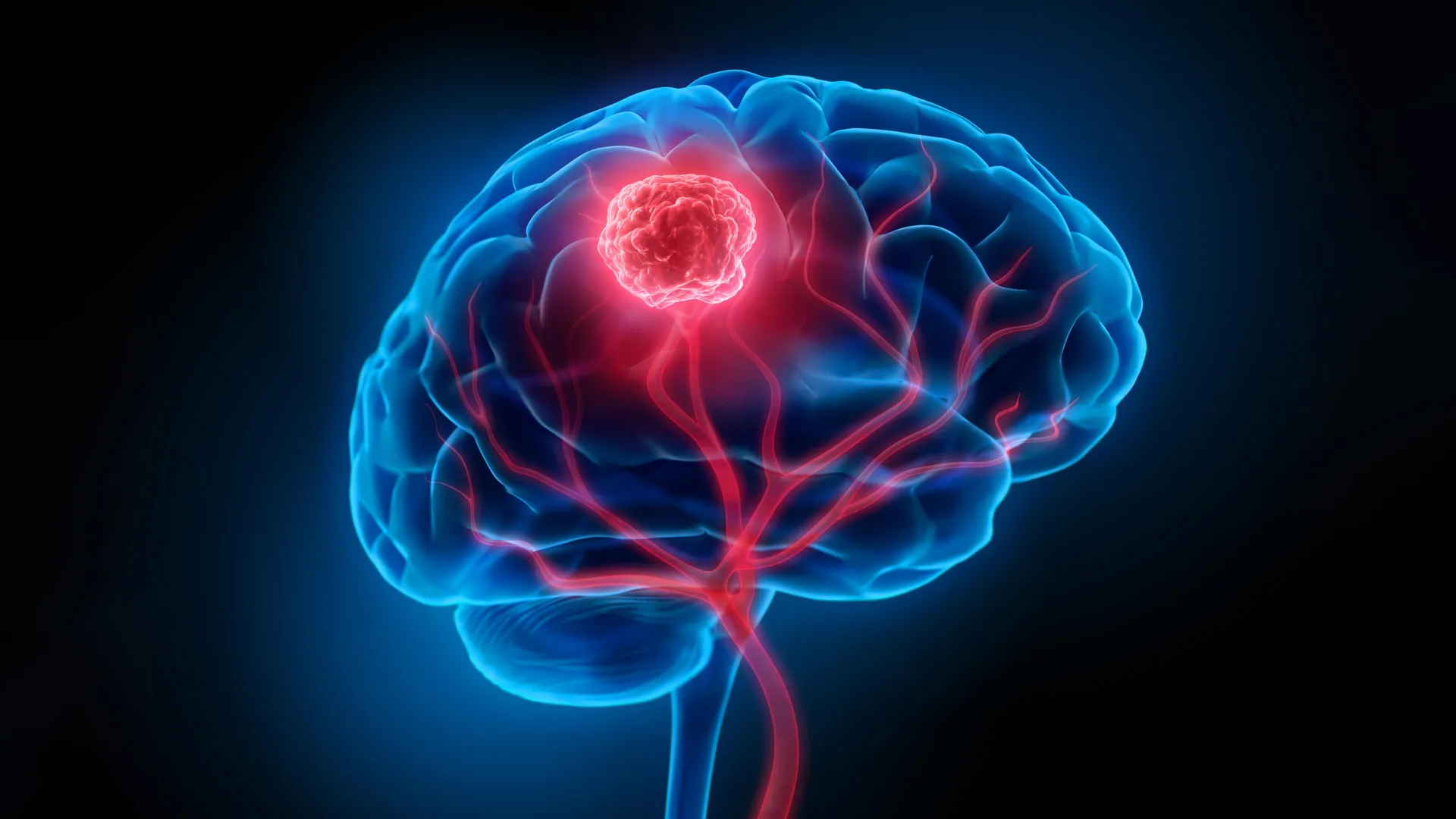
The most compelling evidence for this "healing" strategy comes from a recent study involving glioblastoma, a diagnosis often considered one of the most harrowing in oncology. Glioblastoma is notoriously resilient; even with the gold-standard "Stupp protocol"—a combination of surgical resection, radiotherapy, and temozolomide chemotherapy—the median survival rate remains stagnant at approximately 15 months.
In a study published in BJC Reports, Professor Mittra’s team investigated whether a simple, non-toxic combination of two nutraceuticals—resveratrol and copper—could influence the biological trajectory of these tumors.
The Methodology
The trial enrolled ten patients diagnosed with glioblastoma. For an average of 11.6 days prior to their scheduled brain surgery, these patients were administered a tablet containing small doses of resveratrol and copper four times daily. A control group of ten patients, matched for tumor aggressiveness, received no such intervention.
Following surgery, the research team performed an exhaustive analysis of the tumor samples. Utilizing advanced microscopy, immune-staining, immunofluorescence, and transcriptome analysis, they mapped the molecular changes occurring within the tumor environment. The results were not merely statistically significant; they were visibly transformative.
The Role of Cell-Free Chromatin Particles (cfChPs)
To understand why a humble nutraceutical combination yielded such dramatic results, one must look at the "hidden" drivers of cancer progression: cell-free chromatin particles (cfChPs).
When cancer cells undergo the stress of chemotherapy or radiation, they often die via necrosis, a messy process that releases fragments of DNA and chromatin into the extracellular environment. Professor Mittra’s previous research identified these cfChPs as "agents of chaos." Once released, these particles enter neighboring, healthy, or dormant cancer cells, causing genomic instability, chronic inflammation, and increased aggressiveness. Essentially, the death of a cancer cell via traditional therapy can "infect" its neighbors, fueling the cancer’s survival.
The combination of resveratrol and copper acts as a precise molecular intervention. According to Mittra, these two substances work in synergy to generate localized oxygen radicals that deactivate or destroy cfChPs before they can influence the surrounding tissue. In the study, while untreated tumor tissue was saturated with cfChPs, the tissue from the treated group showed an almost total absence of these inflammatory particles.
"The cell-free chromatin particles inflame the surviving cancer cells, making the disease more aggressive," Mittra explains. "By eliminating them, we essentially subdue the tumor. We are not forcing it to die; we are preventing it from becoming more virulent."
Implications for Immune Therapy
Perhaps the most striking finding in the study involves the modulation of immune checkpoints. Modern immunotherapy has been hailed as the "fourth pillar" of cancer care, primarily through the use of checkpoint inhibitors that "release the brakes" on the immune system. While revolutionary, these drugs are prohibitively expensive and frequently accompanied by severe, sometimes life-threatening, side effects.
The study revealed that the resveratrol-copper combination effectively downregulated multiple immune checkpoints—achieving similar biological goals to expensive monoclonal antibodies but doing so with a non-toxic, inexpensive oral tablet.
For patients who took the nutraceuticals, the clinical observation was clear: there were zero side effects. This raises a significant question for the global healthcare community: If a low-cost, widely accessible, and non-toxic intervention can achieve comparable pathway suppression to high-cost biologics, how might this reframe the global equity of cancer care?
Chronology of a Paradigm Shift
- 1986: Dr. Harold Dvorak publishes his seminal paper comparing tumors to "wounds that never heal," establishing the biological framework for the study of the tumor microenvironment.
- 2010s: Professor Indraneel Mittra and his team at ACTREC begin investigating the role of cell-free chromatin particles in cancer progression, discovering their role as drivers of systemic genomic damage.
- 2020: The team identifies the synergistic potential of resveratrol and copper in neutralizing cfChPs.
- 2023-2024: The glioblastoma study is finalized and published in BJC Reports, demonstrating that the nutraceutical combination significantly alters tumor biology in human subjects.
- Present: The team advocates for larger-scale, multicenter trials to validate the efficacy of this "healing" approach in long-term survival outcomes.
Official Responses and Scientific Skepticism
The scientific community has reacted to these findings with a mix of cautious optimism and intense scrutiny. While the study’s data regarding the downregulation of immune markers and the clearance of cfChPs is robust, experts in neuro-oncology emphasize the limitations of a small, ten-person sample size.
"The molecular data is fascinating," notes one independent oncologist, "but we must see if this translates into actual ‘progression-free survival’ in a larger, phase-three trial. We have seen many promising agents fail when moved from the lab to the clinic. However, the non-toxic nature of the intervention makes it an exceptionally safe candidate for such trials."
Professor Mittra acknowledges these limitations but remains undeterred. "We have been trying to kill cancer cells for 2,500 years," he says. "The results in this small group were so striking that I fully expect them to be replicated. We are looking at a fundamental shift in the logic of treatment."
Future Implications
The implications of this research extend far beyond glioblastoma. If the "healing" model holds true for other solid tumors, the oncology of the future may look remarkably different. Rather than relying solely on cytotoxic agents that leave the body vulnerable, doctors might use a combination of "taming" agents—nutraceuticals or drugs that stabilize the tumor microenvironment—alongside conventional therapy.
Furthermore, this research highlights a critical need for government-supported, non-commercial clinical trials. Because resveratrol and copper are not patentable in their natural forms, they do not offer the same financial incentives as traditional pharmaceuticals. The study was supported by the Department of Atomic Energy, Government of India, signaling the importance of state-led research in areas that may not align with the profit-driven motives of large pharmaceutical corporations.
As the medical world continues to grapple with the rising burden of cancer, the "healing" approach offers a glimmer of hope: a path where medicine works with the body’s inherent systems rather than against them. If Professor Mittra’s hypothesis proves correct, we may eventually reach a day where a diagnosis of cancer is no longer a call to war, but a managed condition—a transition from a fatal wound to a stable, dormant reality.
For now, the world waits for the next phase of trials, watching to see if the "wound that never heals" can finally be coaxed into recovery.