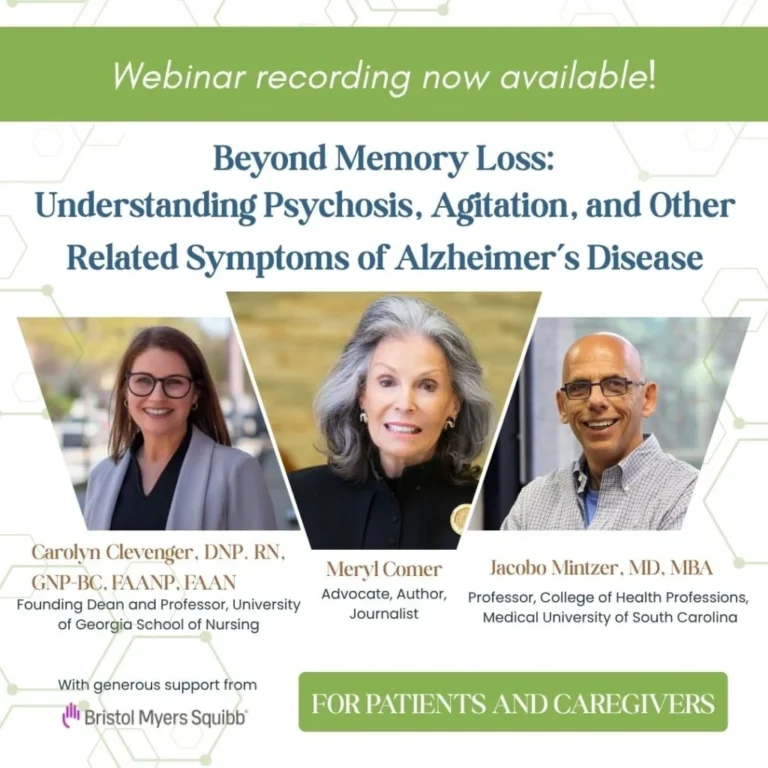











As Alzheimer’s Awareness Month arrives this June, the discourse surrounding dementia is shifting. While clinical focus has traditionally centered on memory loss and cognitive decline, a more nuanced understanding is emerging: the profound impact of neuropsychiatric symptoms (NPS). For millions of families, the true challenge of Alzheimer’s often lies not just in the forgetting, but in the shifts in personality, mood, and behavior that redefine the caregiver-patient relationship.
The Alliance for Aging Research, in collaboration with national health advocates, is leading a movement to destigmatize these symptoms, urging families to replace the burden of guilt with the strength of informed, compassionate care.
The Invisible Challenges: Understanding Neuropsychiatric Symptoms (NPS)
When we talk about Alzheimer’s, the conversation often begins and ends with cognitive tests. However, the reality of the disease is far more expansive. Neuropsychiatric symptoms—which include agitation, anxiety, depression, apathy, sleep disturbances, wandering, and significant personality changes—are not merely "side effects." They are, for many, the most distressing aspects of the condition.
These symptoms act as a secondary layer of the disease, complicating the lives of both the patient and the caregiver. While memory loss may be the hallmark, NPS are often what push families to the breaking point. They disrupt the safety of the home, alter the rhythm of daily life, and fundamentally shift the dynamic between a loved one and their support system.
A Chronology of Care: From Confusion to Clarity
The progression of Alzheimer’s is rarely linear, yet it often follows a pattern of emotional evolution for the family unit:
- The Phase of Uncertainty: In the early stages, symptoms are often masked by the stresses of daily life. Memory lapses are dismissed as "senior moments," and withdrawal is mistaken for simple fatigue. Because NPS can manifest even before significant cognitive impairment is diagnosed, families often spend months or years in a state of confusion, wondering if they are imagining the changes.
- The Phase of Realization: As behaviors align more clearly with a clinical diagnosis, the realization hits. This is the stage where many caregivers experience deep, persistent guilt. They look back at past incidents—an outburst, an unexplained period of sadness, a change in sleep—and blame themselves for not recognizing the warning signs sooner.
- The Phase of Mourning: As the personality of a loved one begins to shift, families undergo a unique form of grief. It is the mourning of a person who is still present but increasingly unrecognizable. Routines disappear, and the familiar cadence of a relationship is interrupted by the disease.
- The Phase of Resolve: Eventually, many caregivers transition from grief to resolve. This is not the denial of the disease’s difficulty, but a conscious choice to pivot toward a new, sustainable way of living and caring.
Supporting Data: The Burden on the Caregiver
The statistics surrounding Alzheimer’s caregiving paint a stark picture of the emotional toll. Research consistently shows that caregivers are at a high risk for burnout, anxiety, and depression. According to the Alliance for Aging Research, a vast majority of caregivers report feeling emotionally drained, particularly when navigating the complexities of NPS.
The intersection of caregiving and NPS is a critical focal point for current research. The Caring Together webinar, co-hosted by the Alliance for Aging Research and the National Alliance for Caregiving, underscored that the lack of preparation for these behavioral changes is a primary driver of caregiver stress. When families are armed with tools—such as behavioral intervention strategies and communication techniques—the reported quality of life for both the caregiver and the patient improves significantly.
Official Guidance: Changing the Approach to Care
Expert consensus, led by figures like Dr. Brent Forester, Psychiatrist-in-Chief at Tufts Medical Center, suggests a radical shift in how we approach the dementia journey. In his seminal work, The Complete Family Guide to Dementia, Dr. Forester advocates for "smarter, not harder" care.

The "What Remains" Philosophy
Dr. Forester’s approach challenges the common tendency to measure success against the patient’s past capabilities. He encourages families to:
- Focus on Strengths: Instead of fixating on lost cognitive functions, identify what the individual can still do and enjoy.
- Create Moments of Connection: Rather than fighting the symptoms of apathy or agitation, seek out activities that foster positive engagement, however brief.
- Utilize External Support: Asking for help is not a failure; it is a necessity for long-term sustainability. Professional care, community resources, and support networks are essential infrastructure for the caregiver.
Implications for the Future of Alzheimer’s Care
The implications of this shift are profound. If we continue to treat Alzheimer’s solely as a neurological issue of memory, we leave families to navigate the emotional minefield of NPS alone. By integrating emotional support and behavioral management strategies into the standard of care, we empower families to transition from a state of reactive stress to one of proactive, informed support.
Rethinking the Caregiving Ecosystem
The medical community is beginning to acknowledge that the caregiver is, in many ways, the "second patient" in an Alzheimer’s diagnosis. This requires:
- Earlier Screening: Incorporating screening for neuropsychiatric symptoms into primary care visits, even before a definitive Alzheimer’s diagnosis is made.
- Educational Integration: Providing families with actionable toolkits that address how to handle specific symptoms like wandering or aggression before they reach a crisis point.
- Policy Support: Increasing funding for caregiver support programs that offer respite care and counseling, acknowledging that caregiver health is a public health imperative.
A Call for Compassion
The journey through Alzheimer’s is undeniably difficult. It is paved with the frustrations of lost routines and the heartbreak of watching a loved one change. However, it is also a journey defined by resilience.
As we move through Alzheimer’s Awareness Month, the primary message to the public is one of solidarity. Whether you are a spouse, a child, or a professional caregiver, the emotions you feel—the guilt, the exhaustion, the fleeting moments of joy—are shared by thousands of others.
Education is the most potent weapon against the isolation of this disease. By understanding that behaviors are symptoms, not choices, and by acknowledging that seeking support is a sign of strength, we can transform the experience of caregiving. We must continue to build networks that prioritize not just the clinical management of the disease, but the human needs of those living with it.
You are not alone in this. The path forward is built on the collective knowledge of researchers, the clinical expertise of doctors like Dr. Forester, and the lived experiences of those who provide care every day. By focusing on what remains possible, we can ensure that dignity and grace remain at the center of the Alzheimer’s experience.
Lauren Belsky is the Development Coordinator at the Alliance for Aging Research. For more information on resources for Alzheimer’s caregivers and to access the "Caring Together" webinar archives, visit the Alliance for Aging Research official website.