











By Healthcare Dive Staff
Published July 27, 2026
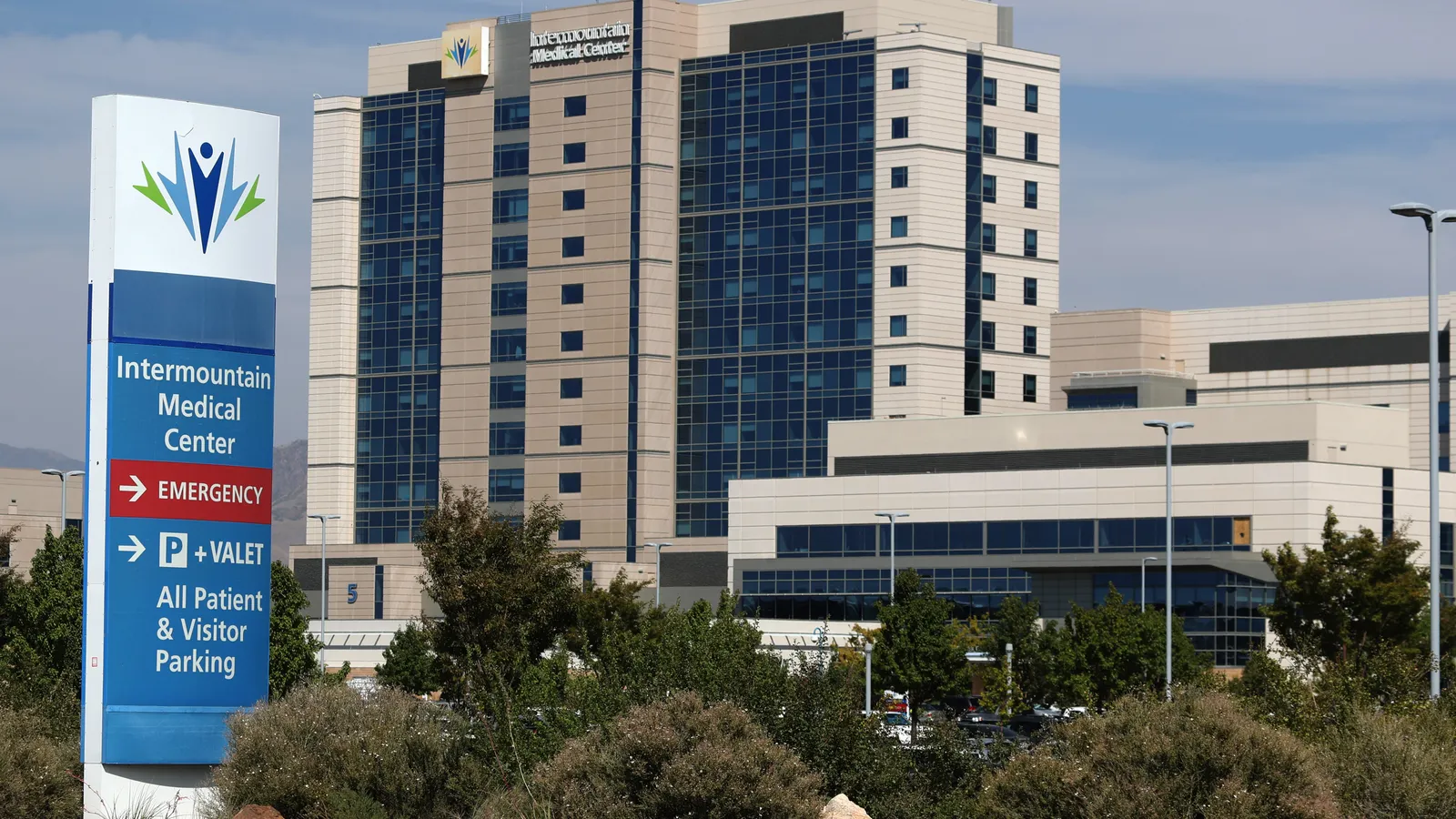
In a major consolidation move that underscores the diverging strategic priorities of large health systems and specialized operators, Salt Lake City-based Intermountain Health has entered into a definitive agreement to acquire two major Idaho facilities from Brentwood, Tennessee-based Surgery Partners. The transaction, which stands as a pivotal moment for both organizations, reflects a broader trend in the U.S. healthcare landscape: the aggressive pursuit of scale by regional giants and the deliberate "portfolio optimization" by surgical operators moving toward leaner, outpatient-centric models.
Main Facts: The Anatomy of the Deal
Under the terms of the agreement, Intermountain Health will fully acquire Mountain View Hospital and Idaho Falls Community Hospital, along with their extensive network of affiliated clinics throughout southeast Idaho. This acquisition effectively folds these substantial assets into the Intermountain ecosystem, which already operates 34 hospitals and roughly 400 clinics across six states.
For Surgery Partners, the transaction represents a significant divestiture. While the company has not provided a final, fixed dollar amount due to customary post-closing adjustments, it expects to net approximately $800 million from the sale. This infusion of capital is earmarked for the company’s ongoing transition away from capital-intensive inpatient assets and toward its core competency: the development and operation of ambulatory surgery centers (ASCs).
The deal remains subject to specific closing conditions, most notably the approval of Mountain View Hospital’s physician member board and governing body. "Unless and until these approvals are obtained, there is no assurance regarding the completion of the transaction," Surgery Partners cautioned in its regulatory filing. However, if the deal closes as anticipated, the day-to-day operations—including staff compensation, job roles, and leadership structures—are expected to remain unchanged, ensuring continuity of care for the patients of southeast Idaho.
Chronology of Consolidation
The path to this acquisition did not happen in a vacuum. It is the latest in a series of strategic maneuvers by Intermountain Health, which has spent the last 24 months aggressively expanding its regional influence.
- Early 2025: Intermountain begins exploring opportunities to increase its presence in the Intermountain West, focusing on high-growth corridors in Idaho and Montana.
- Late 2025: Intermountain formalizes a joint venture with AdventHealth to manage facilities in the Denver, Colorado market, signaling a willingness to leverage partnerships to expand its geographic reach.
- Q1 2026: Surgery Partners initiates a review of its long-term asset portfolio, identifying the Idaho inpatient facilities as "non-core" assets that no longer align with its pivot toward outpatient surgical efficiency.
- Q2 2026: Negotiations between Intermountain and Surgery Partners intensify as both parties seek to align their long-term growth trajectories.
- July 2026: The definitive agreement is signed and announced, marking the largest divestiture in Surgery Partners’ recent history.
Supporting Data: Financial Health and Market Impact
The acquisition is underpinned by strong financial performance on both sides. According to data from the American Hospital Association cited by TD Cowen analyst Ryan Langston, the two Idaho facilities involved in the sale generated approximately $740 million in revenue last year. Furthermore, the assets posted roughly $100 million in earnings before interest, taxes, and other adjustments (EBITDA), making them highly attractive targets for a large system like Intermountain.
For Intermountain, the acquisition is a logical follow-up to a year of stable revenue and income growth. The organization has been aggressively deploying capital to bolster its service lines. Recent expansions include:
- Nevada: A strategic acquisition of Steinberg Diagnostic Medical Imaging, deepening Intermountain’s diagnostic capabilities.
- Montana: An expansion of orthopedic service lines at Holy Rosary Hospital in eastern Montana to meet rising regional demand.
The $800 million expected by Surgery Partners serves as a massive liquidity event. By shedding $740 million in annual revenue-generating assets, the company is effectively trimming its balance sheet of the overhead costs associated with hospital-based care. This allows them to pivot resources toward "de novo" builds—newly constructed ambulatory surgery centers that carry significantly lower operating costs and higher margins than traditional hospitals.
Official Responses: The Strategic Rationale
The leadership of both organizations has framed the deal as a "win-win" that optimizes their respective business models.

Surgery Partners CEO Eric Evans was clear regarding the intent behind the divestiture. "The transaction represents the largest step forward in our portfolio optimization strategy to date," Evans said in a statement. "It simplifies our go-forward operations and positions us to accelerate momentum in the rapidly growing, high-value ambulatory surgery center space."
For Surgery Partners, the goal is to become a pure-play operator of specialized surgical facilities. By exiting the hospital business, the company aims to insulate itself from the volatility and high labor costs that often plague inpatient acute care, focusing instead on the high-margin, predictable nature of elective outpatient surgery.
Intermountain Health, conversely, is doubling down on the integrated health model. As a nonprofit giant, their strategy relies on owning the full continuum of care—from primary care clinics to tertiary hospitals. Acquiring the Idaho assets allows them to better coordinate care across the state, ensuring that patients within their network stay within the Intermountain "ecosystem" for all their medical needs.
Implications for the Future of Healthcare Delivery
The Intermountain-Surgery Partners deal serves as a bellwether for the healthcare industry at large. It highlights two distinct paths to sustainability in a post-pandemic world:
1. The Rise of the Regional Super-System
Nonprofit health systems are increasingly acting like regional utilities. By controlling a larger geographic footprint, they can achieve economies of scale, consolidate administrative overhead, and negotiate more favorable rates with commercial payers. For residents of southeast Idaho, this means they will soon be part of one of the most sophisticated health networks in the country.

2. The Specialization of Surgical Care
On the other side of the ledger, Surgery Partners is betting that the future of medicine is "outside the hospital walls." As surgical techniques become less invasive and recovery times shorten, the need for large, traditional inpatient hospitals is decreasing. Companies that specialize in high-efficiency, outpatient surgery are finding that they can offer superior patient experiences at a lower price point than traditional hospitals.
3. Physician Governance and Regulatory Hurdles
The fact that this deal rests on the approval of a physician governing board is a critical detail. In many hospital acquisitions, physician alignment is the "X-factor" that can either accelerate a deal or cause it to collapse. If the Mountain View physicians view this shift as a move toward better clinical support and stability, the deal will likely close smoothly. However, if there is friction regarding the shift in culture from a Surgery Partners-managed environment to the Intermountain nonprofit model, stakeholders may face delays.
4. Competitive Dynamics
This move puts additional pressure on smaller, independent hospitals in the region. With a giant like Intermountain entering the local market with deep pockets and a massive service network, smaller competitors will have to innovate or consider their own consolidation options. The consolidation of Idaho’s healthcare market is likely only in its early stages.
Conclusion: A New Chapter for Intermountain and Surgery Partners
As the healthcare industry continues to grapple with rising labor costs, inflationary pressures, and the increasing demand for high-quality outpatient services, this deal provides a roadmap for how large organizations are restructuring. Intermountain Health gains a stronger foothold in a critical geographic region, solidifying its role as the dominant provider in the Intermountain West. Simultaneously, Surgery Partners sheds the weight of heavy, inpatient assets to sharpen its focus on the nimble, high-growth sector of ambulatory surgery.
While the final financial outcome remains subject to the "substantial" adjustments noted by management, the strategic intent is clear: the era of the "all-things-to-all-people" hospital model is fading, replaced by a more specialized, bifurcated landscape where efficiency and scale are the primary currencies of success. All eyes now turn to the physician boards in Idaho, whose decision will determine whether this multi-million dollar vision becomes a reality.