







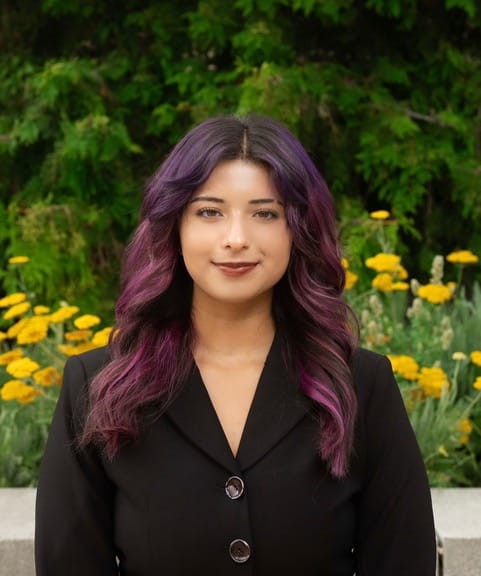
LOS ANGELES — When Natalia Castillo walked across the commencement stage at the University of California, Los Angeles (UCLA) in the summer of 2026, the moment represented more than the culmination of a prestigious academic career. For Castillo, a survivor of two suicide attempts and a prominent mental health advocate, the walk was a physical manifestation of a hard-won victory over systemic and personal adversity.
Her journey—marked by the intersection of academic excellence in Cognitive Science and Art History, and the harrowing realities of sexual assault, financial instability, and suicidal ideation—serves as a cornerstone for a new movement in collegiate mental health. As the Executive Director of UCLA’s Active Minds chapter and a key architect of the university’s latest suicide prevention initiatives, Castillo is transforming her personal trauma into a blueprint for institutional change.
The Core Narrative: Beyond the Individual Struggle
The prevailing narrative of mental health often focuses on individual resilience—the idea that a person must "find" hope within themselves. However, Castillo’s experience challenges this isolationist perspective. Her advocacy is built on a singular, profound realization: hope is not a solitary possession, but a collective resource.
"My Bachelor’s degree reflected more than lectures attended and exams taken," Castillo noted in her recent reflections. "It embodied the coping strategies I developed… revealing how resilience is built through active effort and community support."
This shift from the "individual as the problem" to the "community as the solution" is the driving force behind her work with Active Minds, a leading nonprofit organization dedicated to promoting mental health for young adults. Castillo’s narrative provides a vital case study in how personal lived experience can inform high-level policy and campus-wide cultural shifts.
A Chronology of Survival: From Crisis to Advocacy
Castillo’s path to the UCLA commencement stage was far from linear. Her story is divided into distinct chapters of crisis and recovery, each anchored by the presence of a support network that "held hope" when she could not.
The High School Transition
Castillo’s first encounter with the depths of mental illness occurred during her high school years. Following her first suicide attempt, she credits the presence of her younger sisters as her primary motivation to continue. During this period, the struggle was internal and domestic, focused on surviving long enough to reach the next milestone: higher education.

The Collegiate Crisis
The transition to UCLA, while an academic triumph, brought new challenges. Navigating a massive institutional environment while processing the trauma of sexual assault and the stress of financial hardship led to a second suicide attempt. In this instance, the support system expanded from family to a chosen community of peers and mentors in Los Angeles.
"Their love did not erase my trauma or make healing linear," Castillo explained. "It gave me the strength to keep moving forward… my community held hope for me until my hands were steady enough to hold it myself."
The Rise to Leadership
By her senior year, Castillo had transitioned from a student seeking help to a leader shaping the help available to others. She assumed the role of Executive Director of the UCLA chapter of Active Minds and was appointed as the undergraduate representative on UCLA’s Suicide Prevention Committee. This role placed her at the intersection of student life and clinical administration, allowing her to bridge the gap between those suffering and those providing care.
Institutional Response: The "Hope Connects Us" Campaign
The most significant outcome of Castillo’s advocacy was the launch of the "Hope Connects Us: Turning Collective Insight Into Campus Action" campaign. This initiative represents a sophisticated, multi-tiered approach to mental health that moves beyond simple awareness posters.
Working alongside clinicians, faculty, and administrative staff, Castillo helped develop a framework based on four critical pillars:
- Promotion: Normalizing mental health discourse through student-led storytelling and the destigmatization of "imperfect" narratives.
- Prevention: Implementing early intervention strategies that identify at-risk students before they reach a point of crisis.
- Protection: Strengthening the physical and social safety nets on campus, including financial aid support and trauma-informed resources for survivors of assault.
- Preparedness: Ensuring that faculty and students are trained in coordinated care efforts, allowing for a seamless transition between a student expressing need and receiving professional clinical support.
The "Hope Connects Us" campaign is a direct response to the data-driven reality that student mental health is a public health priority. By integrating student voices like Castillo’s into the committee, UCLA has moved toward a model of "participatory design" in healthcare, where the recipients of care help design the systems that serve them.
Supporting Data: The National Campus Mental Health Crisis
Castillo’s story, while unique in its details, reflects a burgeoning national crisis within American higher education. According to the Healthy Minds Study, which surveys thousands of college students annually:
- Prevalence of Ideation: Approximately 14% of college students reported having suicidal thoughts in the past year.
- The Help-Seeking Gap: While mental health awareness is at an all-time high, nearly 40% of students with a mental health disorder do not seek professional help, often due to stigma or perceived lack of accessibility.
- The Impact of Marginalization: Students from historically marginalized communities—including those who identify as LGBTQ+ or those facing financial hardship—report significantly higher rates of psychological distress.
Castillo (who uses she/they pronouns) has been particularly vocal about the needs of these communities. Their work emphasizes that mental health is not just a clinical issue but a social justice issue. For students facing systemic barriers, "hope" is often tied to tangible resources like housing security and equitable access to healthcare.
The Intersection of Art and Science: A Holistic Healing Model
One of the more unique aspects of Castillo’s journey is her academic focus. By double-majoring in Cognitive Science and Art History, she explored the human mind from both a biological and a cultural perspective.
Cognitive Science and the Mechanics of Trauma
Through Cognitive Science, Castillo gained an understanding of the neurological underpinnings of trauma and the mechanics of resilience. This scientific grounding allowed her to view her struggles not as personal failures, but as physiological responses to extreme stress and trauma.
Art History and the Expression of Pain
Conversely, Art History provided the emotional vocabulary that science lacked. Castillo found healing in the study of how artists across centuries transformed conflict and longing into beauty.
"Art gave me a medium to express the pain I could not put into words," she said. "It taught me that I did not need to rewrite every narrative about me. I only needed to protect the person beneath those narratives."
This interdisciplinary approach—combining the data-driven insights of science with the empathetic reach of the arts—has become a hallmark of her advocacy. She encourages students to use creative outlets—writing, music, film, and visual art—as legitimate tools for "meeting themselves honestly" without the pressure of perfection.
Implications for the Future of Advocacy
As Natalia Castillo moves beyond UCLA, the implications of her work continue to resonate. Her transition from a survivor to a policy influencer suggests a new era for organizations like Active Minds and university health systems.

1. The End of the "Passive Hope" Era
The "Hope Connects Us" campaign marks a shift away from passive hope. Institutional hope is now being defined as a series of actionable, well-funded mandates. The goal is to move from "raising awareness" to "building infrastructure."
2. Uplifting Marginalized Voices
Castillo’s future goals focus on supporting young people who have been stereotyped or denied opportunities. Her advocacy suggests that the next frontier of mental health work will be deeply intersectional, focusing on how race, gender, and socio-economic status influence a person’s "second chance" at life.
3. The Power of Lived Experience
Perhaps most importantly, Castillo’s role on the Suicide Prevention Committee underscores the necessity of including people with lived experience in institutional decision-making. Her presence ensured that policies were not just theoretically sound but practically effective for students in the midst of a crisis.
Conclusion: Holding Hope for Others
Natalia Castillo’s graduation is a testament to the fact that survival is a communal act. By invoking Maya Angelou’s famous poem "Alone," Castillo reminds the academic community that "Nobody, but nobody / Can make it out here alone."
Her story concludes with a call to action for educators, clinicians, and peers alike. Hope is not a quiet, internal spark; it is a loud, external commitment to stay by someone’s side. As she enters the next phase of her career as a mental health advocate, Castillo’s mission is clear: to hold the hope for the next generation until their hands are steady enough to hold it themselves.
"I once thought hope had to arrive loudly and with certainty," Castillo reflected. "Now, I realize it exists in the poetry of quiet, everyday acts of care… I have never stopped trying. Because people showed me love, trying became a little easier."
In the high-pressure environment of modern academia, Castillo’s journey offers a vital lesson: the most important thing a university can produce is not just a graduate, but a person who knows they are worthy of staying.